
This page gathers twenty-three things to do in Karelia, from wooden architecture on Kizhi and ancient rock carvings to waterfalls, quarry canyons and the great lakes Onega and Ladoga. It helps travellers who want forests, water and quiet villages within reach of Petrozavodsk and Sortavala. Browse the list, pick one or two areas and add sights that fit your season.
This list gathers twenty-three things to do in Karelia, from wooden architecture on Kizhi and ancient rock carvings to waterfalls, quarry canyons and the great lakes Onega and Ladoga. It suits travellers who want forests, water and quiet villages within reach of Petrozavodsk and Sortavala. Distances are long, some places need a boat or a guide, and the weather shapes every plan. Use the list to choose one or two areas, then add the sights that fit your season and your time. Summer suits boats and hiking, and winter brings snow and short days.
Kivach Nature Reserve, Karelia
PlaceKondopozhsky
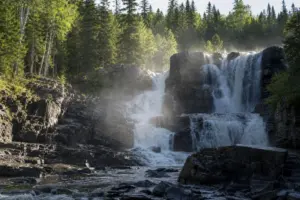
Kivach Nature Reserve protects the taiga of Karelia and is also a research site. Its main sight is the Kivach waterfall on the Suna River, reached on marked paths through pine forest. Come for the roar of the water and a quiet walk, and wear waterproof shoes near the spray.
Ruskeala Mountain Park, Karelia
PlaceSortavalsky
Ruskeala Mountain Park is a flooded marble quarry with a turquoise canyon, underground tunnels, boat rides and zip-lining across the cliffs. It lies 30 km north of Sortavala. Walk the rim paths for the colour of the water, and book an activity ahead if you want the boat or the zipline.
Kizhi Island, Karelia
PlaceMedvezhyegorsky
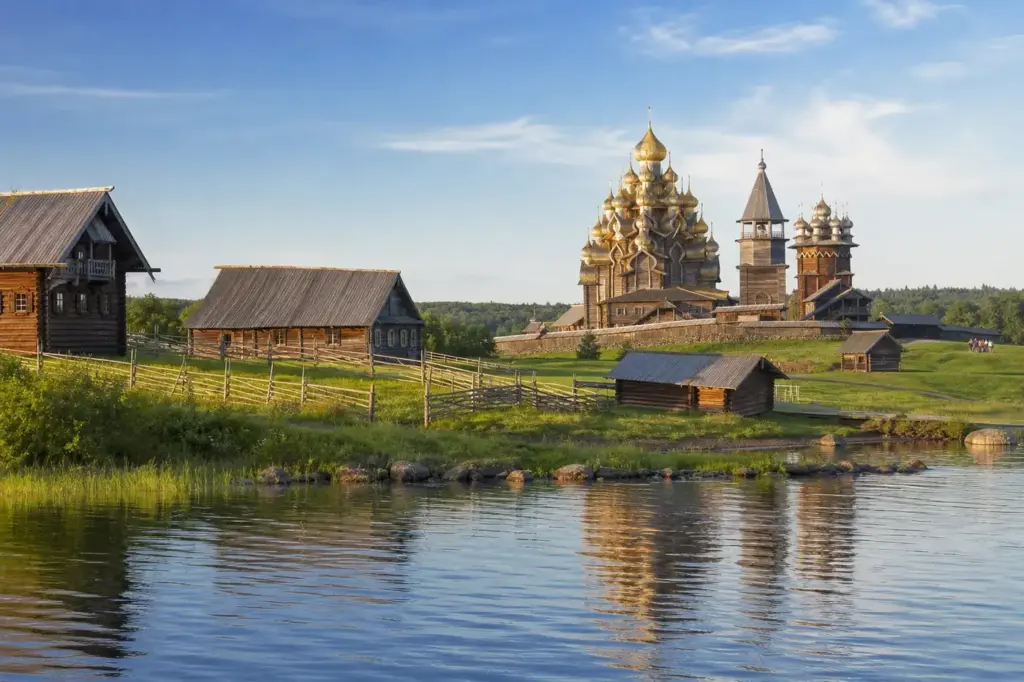
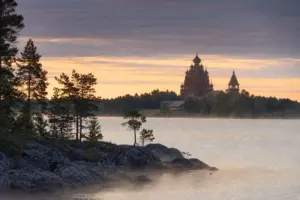
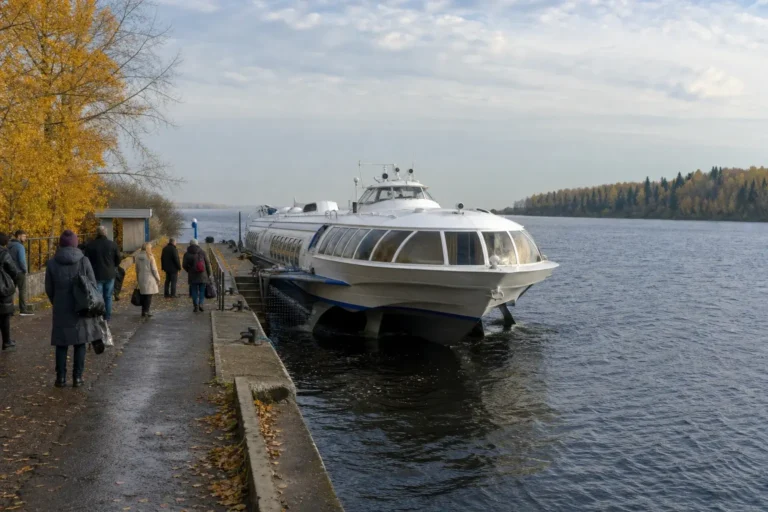
Kizhi Island lies on Lake Onega, 68 km from Petrozavodsk, and holds an open-air museum of 83 wooden monuments. The 22-domed Church of the Transfiguration, 37 metres high, dominates the island. Travel by boat from Petrozavodsk, allow several hours for the walking route and bring a windproof layer.
Petrozavodsk Lake Onega Embankment, Karelia
PlaceKarelia
The Lake Onega Embankment in Petrozavodsk is the city's main promenade, paved with granite and lined with sculptures along 1.5 to 2 kilometres of shore. It works as an open-air museum. Walk it in the evening, stop at the cafes and use it as a relaxed start or end to a day in town.
Paanajärvi National Park, Karelia
PlaceLoukhsky
Paanajärvi National Park is a remote wilderness on the Finnish border, with Karelia's highest peak and its deepest lake. It protects untouched taiga and offers hiking, boating and wildlife watching. Entry needs advance booking, so arrange the visit and transport with the park well before you travel.
National Museum of the Republic of Karelia, Karelia
PlacePetrozavodsk
The National Museum of the Republic of Karelia holds about 120,000 objects across 24 permanent halls in the old centre of Petrozavodsk. Collections cover nature, archaeology, history and ethnography. Visit on a rainy day to understand the region's peoples and landscapes before heading out to Kizhi or the lakes.
Vodlozero National Park, Karelia
Place
Vodlozero National Park covers 4,280 square kilometres across Karelia and Arkhangelsk Oblast, around a lake with more than 190 islands. Boreal forest and traditional Karelian villages shape the area. It suits independent hikers and boaters who plan well, and a local guide or the park office helps with access.
Valaam Island and Monastery, Karelia
PlaceRepublic of Karelia
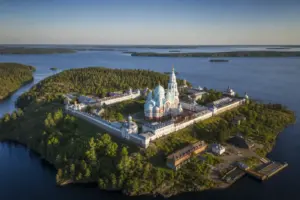
Valaam is the largest island on Lake Ladoga, an archipelago of forest, rocky bays and a historic ensemble of buildings and gardens that has been rebuilt after heavy damage. Reach it by boat from the mainland, join a guided walk and allow a full day, since distances between sites are long.
Kinerma Village, Karelia
PlacePryazhinsky
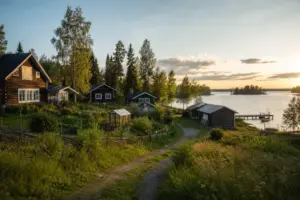
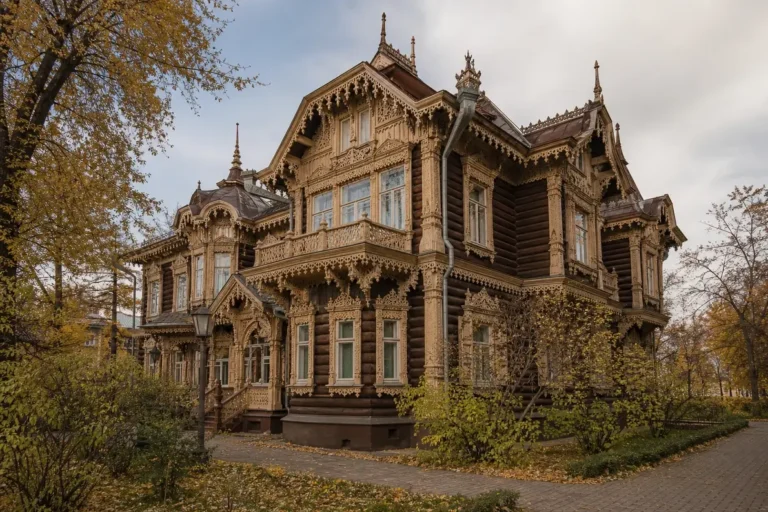
Kinerma is a village of traditional wooden houses of the Livvi Karelians, and it was named among the Most Beautiful Villages in Russia. Walk the lanes to see carved window frames and old farm buildings in a lakeside setting. Go in daylight, be considerate of residents and combine it with a lunch stop.
Kizhi Open-Air Museum, Karelia
PlaceMedvezhyegorsky
The Kizhi Open-Air Museum, a UNESCO World Heritage site, preserves more than 80 wooden buildings, including the 22-domed Church of the Transfiguration built entirely of wood without nails. Follow the marked path past farmhouses, windmills and chapels. Choose a calm day for the boat crossing and bring layers.
Lake Onega Petroglyphs, Karelia
PlacePudozhsky
The Lake Onega petroglyphs are Neolithic carvings at 22 sites on the eastern shore, with about 1,200 figures of animals, people and boats. It is one of the largest such collections in Europe. Visit with a guide who can point out the faint outlines, and wear sturdy shoes for the rocks.
Mount Vottovaara, Karelia
PlaceMuezersky
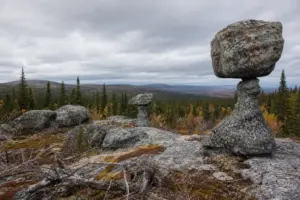
Mount Vottovaara is the highest peak of the West Karelian Upland, a windswept ridge crowned by more than a thousand stone formations known as seids, shaped by frost over thousands of years. Hike the ridge on a dry day, bring water and warm layers, and allow time for the quiet views.
Petrozavodsk, Karelia
PlaceArkhangelsk Oblast
Petrozavodsk, the capital of Karelia, stands on Lake Onega and began as a cannon factory in the early eighteenth century. It is the gateway for boats to Kizhi and a base for forests and lakes in the north. Spend an evening on the embankment and a morning in the museum.
Girvas Paleovolcano, Karelia
PlaceKondopozhsky
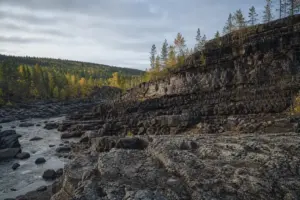
Girvas is a paleovolcano two to three billion years old, preserved as frozen lava flows and crater traces in the bed of the Suna River. It is among the oldest and well preserved volcanic formations on Earth. Look at the polished rock surfaces and combine the stop with the nearby Kivach area.
White Bridges Waterfall, Karelia
PlaceSortavalsky
White Bridges Waterfall drops 19 metres in two arms on the Kulismajoki River, near the ruins of a white stone bridge. It is the tallest waterfall in southern Karelia. Follow the forest path to the viewpoints, wear shoes with grip for wet stone and combine it with Ruskeala.
White Sea Petroglyphs, Karelia
PlaceBelomorsky
The White Sea petroglyphs are stone carvings six to seven thousand years old on islands in the lower reaches of the Vyg River. They show hunting and sailing scenes and animal and human footprints. The site is UNESCO-listed, so visit with a local guide and keep to the paths.
Lake Ladoga, Karelia
PlaceKarelia
Lake Ladoga is the largest lake entirely in Europe, with 17,891 square kilometres of fresh water, about 660 islands and rocky northern shores cut by granite inlets. Karelia holds its most scenic stretch. Take a boat trip from Sortavala or Lahdenpohja and dress warmly, since the wind on open water is cold.
Kivach Waterfall, Karelia
PlaceKondopozhsky
Kivach Waterfall is a cascade on the Suna River that ranks third in Europe by water volume despite its modest height. Boardwalks and viewing platforms lead through the forest to the falls. Visit in spring or after rain for the strongest flow, and bring a waterproof jacket for the spray.
Akhinkoski Waterfalls, Karelia
Place
The Akhinkoski Waterfalls are a series of cascades on the Tohmajoki River near Ruskeala, with an ecotrail of wooden bridges and sculptures. The short loop suits families and casual walkers. Pair it with Ruskeala Mountain Park for a relaxed half day, and wear shoes that cope with damp boards.
Kalevala Village, Karelia
PlaceKalevalsky
Kalevala Village is a small settlement in northern Karelia named after the national epic, with wooden houses, forests, lakes and cultural programmes near the Finnish border zone. Stay for a local meal and a folk programme, and check in advance whether border-zone rules apply to your route.
Ladoga Skerries National Park, Karelia
PlaceKarelia
Ladoga Skerries National Park covers 122,000 hectares on Lake Ladoga's northern coast, with more than 650 rocky islands that resemble Norwegian fjords. Cruise between granite islets and pine-covered shores, and book a boat from Sortavala or a nearby base. Take warm clothing, binoculars and a camera.
Sortavala, Karelia
PlaceSortavalsky
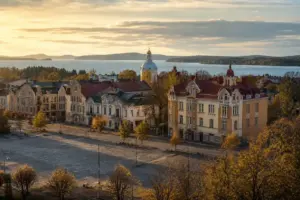
Sortavala is a town on the northern shore of Lake Ladoga, known for Finnish Art Nouveau buildings and its role as a gateway to Ruskeala and the Ladoga skerries. Walk the centre to see the stone façades and the harbour, then use the town as a base for boat and marble-quarry trips.
Lake Onega, Karelia
PlaceKarelia
Lake Onega is Europe's second-largest lake, about 9,700 square kilometres, with clear water, ancient coniferous forest and more than 1,600 islands. Kizhi is its most famous island. See it from the Petrozavodsk embankment, on a boat trip or from the shore villages, and choose calm weather for crossings.











Group the south and the north. Petrozavodsk, the embankment, the museum and the boat to Kizhi fill two days, with Kivach and Girvas on the road north. Around Sortavala, Ruskeala, White Bridges, Akhinkoski, Ladoga Skerries and Valaam form a second trip. Vottovaara, Kinerma and the petroglyphs need extra days, and Paanajarvi, Vodlozero and the White Sea sites need advance planning and a guide.
Final thoughts
Group the south and the north: Petrozavodsk, Kizhi and Kivach fit one trip, while Sortavala, Ruskeala and Lake Ladoga fit another. Remote parks need advance planning and a guide. Before you go, check boat timetables, road conditions and any permits with the official source or a local operator.

 Ask Masha