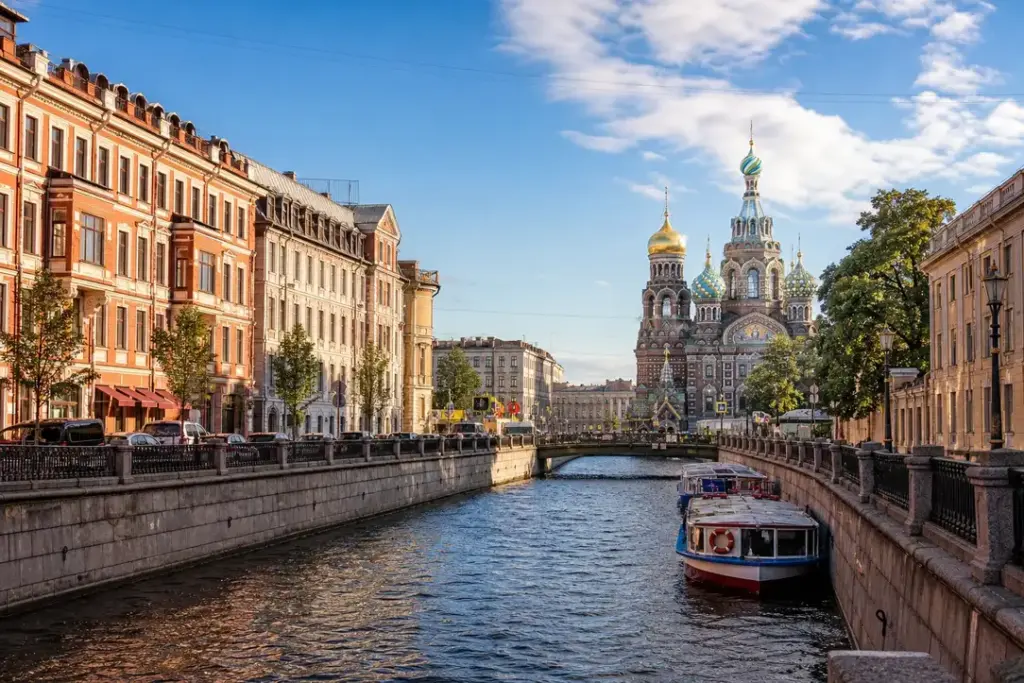
This Russia travel guide is built around one fact: Russia is the largest country in the world, with eleven time zones, and no first trip can cover all of it. Planning works best in the order most visitors face the questions: when to go, which destinations fit your time, how to move between them and what to prepare before you leave. This page is the starting point. It answers those questions in order and links to a full guide for each topic and destination.
It is an independent guide. Entry rules, ticketing, schedules and payment options can change, so check official sources shortly before you travel.
Plan your trip
- Where to stay: choose your area first
- Trip planner: build and share your itinerary
- Flights to Russia: how to plan your journey
- Russia airports and stations
- Airports, railway stations and river piers: list and map
Before you go
- Entry rules and visa: how to check
- Travel insurance: what to check
- Money and payments: what to check
- Essential apps for Russia
- All practical how-to guides
St Petersburg
- All St Petersburg guides
- Five-day itinerary
- Winter itinerary
- Hermitage tickets
- Train between Moscow and St Petersburg
- Maps and public transport apps
Trains and the Trans-Siberian Railway
- All Trans-Siberian guides
- How to choose your route
- Best stops along the way
- How to board a long-distance train
- How to pay for train tickets
- How to pack for the journey
Other destinations
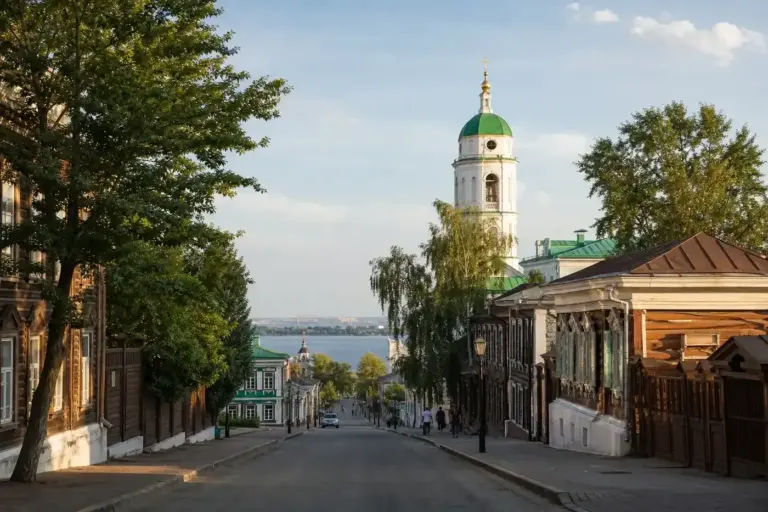
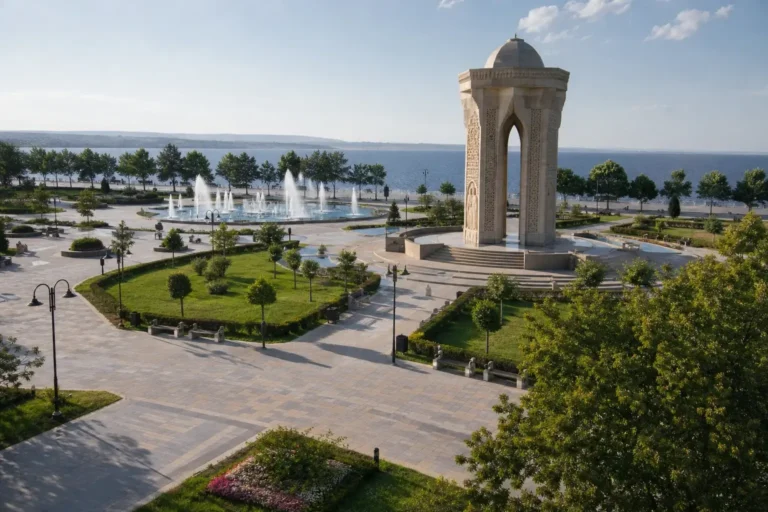
- Kazan
- Three days in Kazan
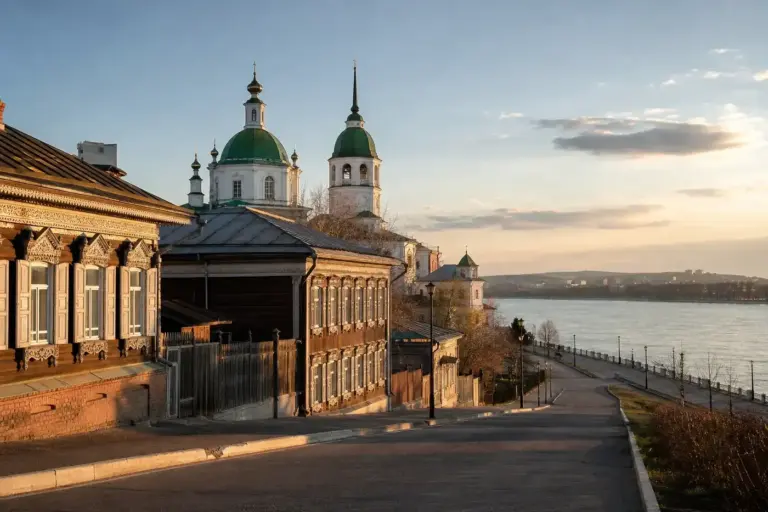
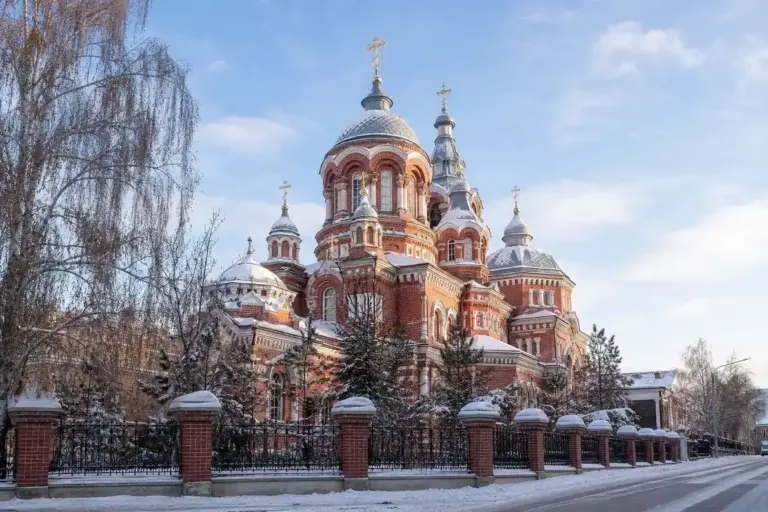
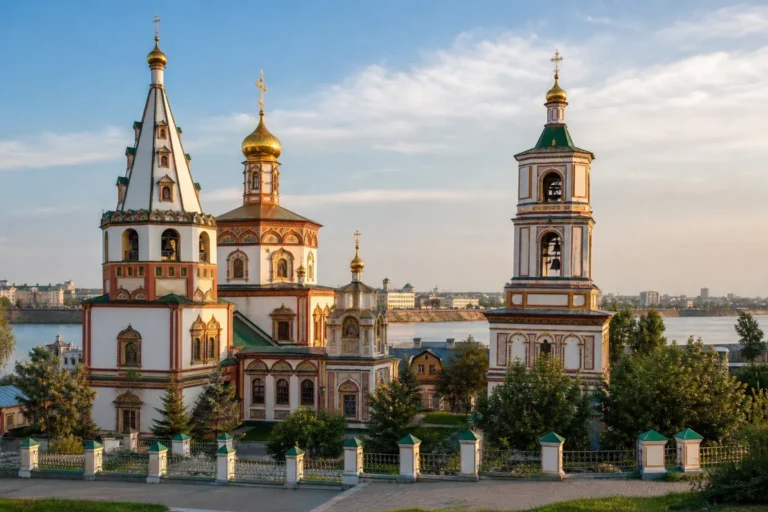
- Irkutsk
- Lake Baikal
- Getting to Lake Baikal from Irkutsk
- Visiting Lake Baikal in winter safely
- Yekaterinburg
- Volgograd
- Kaliningrad
- Altai Mountains
- Seven days in the Altai Mountains
- Planning an independent trip to Karelia
- Best times to visit Sochi
- Three days in Vladivostok
- Where to stay in Kamchatka
- Arctic weather in Murmansk
At a Glance
| # | Place | Best for | Good to know |
|---|---|---|---|
| 1 | When to go | Seasons differ a lot | Pack for the region and the season; indoor spaces are heated and outdoor lines can be long. |
| 2 | Entry rules and documents | Before you fly | Always rely on official sources and check again close to departure. |
| 3 | Money, phone and apps | Prepare your payments | Confirm in advance how you will pay for transport, tickets and hotels. |
| 4 | Getting there and airports | Main gateways | Check the last train or bus if you land late. |
| 5 | Choosing destinations | Match the place to your time | Distances are large; count travel days into your plan. |
| 6 | St Petersburg | Palaces, museums and canals | Check opening days and book timed tickets for the major museums. |
| 7 | Travelling between cities | Trains and flights | Book popular trains early, especially in summer and on holidays. |
| 8 | The Trans-Siberian Railway | A journey of its own | Plan stops, not just the ride; time zones change on the way. |
| 9 | Nature and outdoor trips | Plan carefully | Check permits, weather and trail conditions before you go. |
| 10 | Where to stay | Choose the area first | Check the walk to transport and whether the hotel handles registration for foreign guests. |
| 11 | How long to stay | Choose a realistic scope | Do not plan more than one long transfer in three days. |
How We Chose
This guide covers what a first-time visitor has to decide, in the order they usually decide it. Each chapter is short on purpose: it names the main choice and a common mistake, then points to the detailed article. Nothing here replaces an official source for entry rules, tickets or health advice.
1. When to go – Seasons differ a lot
Because of the size of the country, the best season depends on where you go. Late spring to early autumn suits most city trips, and the long light of early summer is famous in St Petersburg. Winter is cold but brings snow scenes, frozen lakes and festive city lights. Mountain and nature regions such as the Altai, Karelia and Kamchatka have short, specific seasons, so check each destination guide before booking.
Good to know: Pack for the region and the season; indoor spaces are heated and outdoor lines can be long.
Tip: Check holiday dates; some sights close or change hours.
2. Entry rules and documents – Before you fly
Entry requirements depend on your nationality and change over time. Start with the official government source for your passport, check what applies to your trip and keep digital and paper copies of your documents. Foreign visitors may also have registration or notification rules during their stay, which hotels often handle for guests.
Good to know: Always rely on official sources and check again close to departure.
Tip: Keep your booking confirmations and insurance documents handy offline.
3. Money, phone and apps – Prepare your payments
Payment options for foreign visitors can differ from what you are used to, so check with your bank and your accommodation before you travel and keep a backup. A local or travel SIM or eSIM helps with maps, translation and ride apps. Download offline maps and a translation app in advance, and learn to read Cyrillic letters, which makes signs and menus much easier.
Good to know: Confirm in advance how you will pay for transport, tickets and hotels.
Tip: Keep more than one payment option and some cash.
4. Getting there and airports – Main gateways
Most international visitors arrive through Moscow or St Petersburg, and other cities have their own airports and railway stations. Check which airport serves your destination and how it connects to the city centre before you book. If you connect between airports, allow extra time.
Good to know: Check the last train or bus if you land late.
Tip: Save your hotel address in Russian for taxis.
5. Choosing destinations – Match the place to your time
St Petersburg is the classic first trip for culture and palaces. Kazan combines Tatar and Russian heritage, Sochi offers sea and mountains, and Yekaterinburg lies on the border of Europe and Asia. Lake Baikal and Irkutsk are the entry to Siberia, while Kamchatka, the Altai and Karelia are for nature and outdoor travel. Pick one or two regions rather than trying to see everything.
Good to know: Distances are large; count travel days into your plan.
Tip: Start with a single region and add a second only if you have more than a week.
6. St Petersburg – Palaces, museums and canals
St Petersburg is compact for its size, with the historic centre around the Hermitage, Nevsky Prospekt and the canals. Allow at least three days, and book museum tickets in advance in the busy season. Evening walks along the river and canals are a highlight, especially in early summer.
Travelling by train, bus or plane? Noise cancelling headphones could come in handy.
Good to know: Check opening days and book timed tickets for the major museums.
Tip: Use public transport apps; walking distances are longer than they look.
7. Travelling between cities – Trains and flights
The fast train between Moscow and St Petersburg takes about four hours, and long-distance trains connect many other cities. Flights save time on very long distances. Check how foreign visitors can buy tickets, because payment and booking options differ by site, and keep your passport handy when boarding.
Good to know: Book popular trains early, especially in summer and on holidays.
Tip: Check the station name and platform signs in both alphabets.
8. The Trans-Siberian Railway – A journey of its own
The Trans-Siberian is not one train but a rail route across the country, and you can ride it in sections. Many visitors choose stops such as Kazan, Yekaterinburg and Irkutsk with Lake Baikal. Decide how many days you want to spend on board, choose your class of carriage and pack for a long journey with limited space.
Good to know: Plan stops, not just the ride; time zones change on the way.
Tip: Bring snacks, a mug and a charger; hot water is usually available on board.
9. Nature and outdoor trips – Plan carefully
Regions such as Kamchatka, Karelia, Altai and Baikal are rewarding but need preparation. Some areas need permits or a guide, weather changes quickly, and public transport is limited. Read the destination guide, check conditions with local operators and carry the right clothes and a first-aid kit.
Good to know: Check permits, weather and trail conditions before you go.
Tip: Tell someone your route and keep a charged phone and a backup power bank.
10. Where to stay – Choose the area first
In large cities, the area matters more than the hotel. Stay near a metro station or a main square for easy movement, and check the distance to the station if you arrive by train. In regional towns, central locations keep you close to transport and restaurants.
Good to know: Check the walk to transport and whether the hotel handles registration for foreign guests.
Tip: Read recent reviews about noise and check-in times.
11. How long to stay – Choose a realistic scope
A week is enough for one city and a day trip, ten days to two weeks suit St Petersburg and Moscow with a train between them or one region such as Karelia or Kazan. Siberia and the Trans-Siberian route need at least two weeks. Add buffer days for delays, weather and long transfers.
Good to know: Do not plan more than one long transfer in three days.
Tip: Keep one flexible day in each region.
Russia Vibes Tips
- Pick one or two regions instead of trying to cover the whole country.
- Check official sources for entry rules, tickets and schedules shortly before you travel.
- Prepare payments, mobile data and offline maps before you arrive, and keep a backup.
- Book popular trains and museum tickets early in the busy season.
- Allow buffer days for distances, delays and weather.
Keep reading
Related guides
Places to see
FAQ
How many days do you need in Russia?
One week works for one city and a day trip. Ten days to two weeks suit a combination such as St Petersburg and Moscow, or one nature region. Siberia and the Trans-Siberian need at least two weeks.
When is the best time to visit Russia?
It depends on the region. Late spring to early autumn suits most city trips, winter suits snow scenery and festive lights, and nature regions have short seasons.
Which Russian cities should I visit first?
St Petersburg is the classic first trip for culture. Kazan, Sochi, Yekaterinburg and Irkutsk with Lake Baikal are popular next steps depending on your interests.
How do I get between cities?
Fast trains, long-distance trains and flights connect the main cities. The fast train between Moscow and St Petersburg takes about four hours.
Do I need to speak Russian?
It is not necessary in tourist areas, but a few phrases, the ability to read Cyrillic and a translation app help a lot, especially outside the big cities.
How do I pay in Russia as a visitor?
Payment options differ for foreign visitors, so check with your bank and accommodation before you travel, bring a backup and keep some cash.
Is the Trans-Siberian Railway one train?
No. It is a rail route across the country, and most visitors ride it in sections with stops in cities such as Kazan, Yekaterinburg and Irkutsk.
Russia Vibes is a one-person project. A coffee keeps it going

Take this guide with you
Get a free PDF of this guide to print or read offline: key facts, tips and a map link on a few clean pages.
About this page
Report an issue on this page
Paying for your trip: please read
Payments and bookings between Russia and many other countries are currently restricted. In practice, cards issued in the EU, the UK, the US and several other countries often cannot be used in Russia, Russian cards usually cannot be used abroad, and some booking platforms, airlines and payment providers limit or pause their services for Russia. The situation changes frequently.
We do not give legal or financial advice, and this site does not encourage anyone to break any rule that applies to them. Whatever you plan, you are responsible for following the laws and regulations that apply to you, including those of your country of residence and citizenship.
Many travelers still organise their stay without problems. It is worth asking your bank or payment provider what is currently possible, contacting hotels, tour operators and carriers directly about the payment methods they accept, and checking which services are open to customers from your country. Clarify payment, cancellation and refund terms before you commit to a booking, and keep your plans flexible.
Partner links on this site may not be available in every country, and prices, availability and rules in our guides can differ from what you see when you book.
How we research and update our guides
About this guide: AI assistance and accuracy
This guide is created with the help of AI and is based on official sources where available. Mistakes can still happen. Opening hours, prices, rules and other details are given to the best of our knowledge as of the date shown and can change without notice. It offers general recommendations only, not professional, legal or travel advice. Please confirm important details with the official source before you travel; you are responsible for your own plans and decisions.
* Affiliate link: as an Amazon Associate we earn from qualifying purchases at no extra cost to you.