

Lake Baikal freezes solid in winter, transforming into a vast ice landscape that attracts visitors seeking to walk on transparent ice, ice skate, or ride snowmobiles across the lake’s surface. The challenge is timing your visit for when the ice is thick enough to hold your weight safely, and preparing properly for Siberian temperatures that drop well below freezing.
The recommended window is late February through March, when ice reaches its full thickness and weather is more stable. This guide explains when the lake freezes, how to verify ice safety, what gear you need, and the main mistakes first-time visitors make.
Quick answer: Plan your trip for the last week of February or in March to ensure safe conditions on the ice. The ice averages about a meter thick but thickest sections reach up to two meters. Temperature above the lake surface is about −21°C in mid-winter, but 5–10°C higher on the shores. Total time: 2–7 days depending on activities chosen. Cost: ₽₽ to ₽₽₽.
At a Glance
| Total time | 2–7 days depending on activities and whether you visit from nearby Irkutsk or travel to Olkhon Island |
|---|---|
| Typical cost | ₽₽ to ₽₽₽ |
What You Need Before You Start
- Extreme cold-weather gear: insulated parka, thermal underwear, wool socks, insulated boots rated for −40°C or colder
- Hand and foot protection: thick gloves or mittens, hand warmers, wool hat covering ears
- Eye protection: sunglasses (strong sun reflects off ice and causes snow blindness)
- Crampons or ice cleats for boots (essential for walking on smooth, slick ice surface)
- Sufficient cash in rubles (ATMs in Irkutsk; limited in smaller towns near the lake)
- Booking with a local guide or tour operator for activities on the ice
- Travel insurance covering winter activities in remote Siberia
Compare Your Options
| Option | Duration | Price | Notes |
|---|---|---|---|
| Listvyanka day trip with hovercraft tour from Irkutsk | 1 day (full day or half day) | ₽₽ | Listvyanka, due to its location on the shores of the lake and proximity to Irkutsk, sees more visitors than all other towns and villages along Lake Baikal combined. Hovercraft trips depart from Listvyanka and tour the ice, ice caves, and nearby bays. Easy access; minimal physical exertion; limited time on ice. Best for first-time visitors or those with limited mobility. |
| Olkhon Island multi-day expedition (ice walking, ice skating, snowmobile) | 3–7 days | ₽₽₽ | Olkhon Island is over 400 kilometres from Listvyanka, making this a long trip requiring overnight stays. Activities include ice trekking, skating on clear ice, visiting ice caves and frozen methane bubble formations, and snowmobile rides. Remote and immersive; requires good physical fitness; higher cost but authentic winter experience. Best for adventure seekers and photographers. |
| Ice skating or walking on transparent ice (shore-based) | Half day to 1 day | ₽ | Rent skates or walk with crampons on the ice near Listvyanka or other shore settlements. No organised activity; independent pace. Cheapest option. Hazard: unguided ice can have hidden cracks. Best for experienced ice skaters or those confident with basic ice safety. |
| Guided ice-crossing marathon or skating expedition | 5–8 days | ₽₽₽₽ | Annual events run from 10 February through mid-March. Participants ice-skate long distances (up to 210 km), camp on the ice, and visit remote parts of the lake. Requires high fitness, skating skill, and endurance. Most expensive and physically demanding. Best for serious athletes and winter expedition enthusiasts. |
| Dog sledding or snowmobile tours | Half day to 2 days | ₽₽₽ | Snowmobiling and dog sledding are popular winter activities. Tours depart from Listvyanka, Khuzhir (Olkhon), or other lake villages. Active but less strenuous than skating or long-distance walking. Thrilling experience; varies by operator. Best for those seeking action without multi-day hiking. |
| Winter ice diving (advanced, certification required) | 1–5 days | ₽₽₽₽ | The icefield at the northern tip of Olkhon is popular for ice divers. Every year in early January, heavy storms rage on Lake Baikal. Requires SCUBA certification, special cold-water training, and access to dedicated diving operators. Extremely technical and demanding. Best for experienced cold-water divers only. |
₽ budget · ₽₽ moderate · ₽₽₽ upscale · ₽₽₽₽ splurge. Price levels are estimates compared with typical prices for visitors.
Step-by-Step Instructions
Step 1: Check ice thickness and official road status
Officials from the Russian Ministry for Emergencies check the ice, fill in any cracks, clear the snow and put up road signs before opening temporary winter roads. Contact local guides in Irkutsk or your accommodation to confirm current ice conditions and whether organised activities are running. Do not attempt solo exploration without verification from operators who know the lake daily.
Tip: Ice thickness varies by location; bay areas freeze thicker (1.5–2 metres) while open lake areas may be thinner initially.
Step 2: Fly or train to Irkutsk
Irkutsk is the main hub for Baikal winter access, located about 70 km from the lake. Fly into Irkutsk International Airport or arrive by train on the Trans-Siberian route. From Irkutsk, hire a driver, book a tour operator, or use organised transport to reach Listvyanka (30 km away, 1 hour) or Olkhon Island (260 km away, 5–6 hours).
Tip: Book accommodation and activities before arrival; winter services have limited availability compared to summer.
Step 3: Get fitted for crampons and test ice walking on shore
You need good mountaineering boots or polar boots that will keep you warm. Crampons (ice cleats) are essential: ice is extremely slick and there is hardly any friction. Most tour operators or rental shops near Listvyanka provide crampons and fitting. Spend 30 minutes practising walking on ice near the shore before venturing onto the lake.
Tip: Smooth, clear ice demands more caution than rough or snowy ice; it is harder to grip and walk on.
Step 4: Avoid large cracks and hummocks during on-ice activities
Cracks are usually not more than 0.5 to 1 meter wide, but sometimes can be up to 4 meters wide and stretch for hundreds of meters. Hummocks (heaps of ice splinters) are pushed out onto the surface during freezing, usually forming along trough cracks or along shore and can be 10–12 meters high. Organised tours will route around these hazards; never attempt to cross wide cracks or climb hummocks without expert guidance.
Tip: Loud cracking sounds you hear are normal thermal expansion, not imminent breakage, but avoid the areas producing the noise.
Step 5: Dress in layers and monitor for frostbite and sun exposure
Temperature hovers around −10/−15°C, but with good gear and sunshine it does not feel as cold as it sounds. However, wind chill can lower the effective temperature drastically. Layer clothing so you can remove or add pieces; stay dry. The Baikal sun could even give you a winter tan because strong reflection off ice causes rapid sun exposure. Sunscreen is essential.
Tip: Check extremities regularly for numbness or white patches; retreat indoors immediately if frostbite symptoms appear.
Step 6: Choose activities based on ice thickness and stability
The main activity is travelling on the frozen lake, either on foot, on skates, by hovercraft or even by car. The ice is absolutely see-through and when you are walking on it you can see several metres down. Some people even experience vertigo. Walking is safest; skating requires balance and clear footing; hovercraft tours are guided and safe but more expensive. Never attempt to drive a car yourself.
Tip: If you experience vertigo looking through clear ice into deep water, wear a headlamp or look slightly down rather than straight through the ice.
Step 7: Stay with organised guides or tour operators
All significant on-ice activities should be done with local guides or tour operators such as those based in Irkutsk or on Olkhon Island. Guides know daily ice conditions, can manage route planning around hazards, and carry safety equipment. Solo walking on the lake is not recommended due to the remoteness and hazard variability.
Tip: Operators typically charge per person; small private groups pay more per person but have more flexibility than large group tours.
Common Mistakes to Avoid
- Visiting too early (January): The lake usually only freezes over in the end of January–beginning of February. However, the climate around the lake is rather unstable and sometimes it freezes over as early as January and as late as the end of February. Arriving in early January risks finding the ice still thin or unsafe. Wait until late February.
- Underestimating cold exposure: The average winter air temperature is minus 21 degrees Celsius, and during Siberian cold snaps the temperature can drop as low as minus 40 degrees Celsius. Many visitors arrive unprepared and cut trips short or suffer frostbite. Invest in genuine extreme-cold gear before departure.
- Walking or skating without crampons on smooth ice: Ice is extremely slick and there is hardly any friction. The southern part is usually free of snow and it is bare ice. Crampons are not optional on polished ice. Slipping injuries on frozen lake are far from rescue facilities.
- Ignoring ice cracks as impassable barriers: Daily temperature fluctuations cause intricate patterns of cracks called permanent gaping crevasses, some of them several metres wide. Visitors sometimes attempt to jump across wide cracks or use thin ice bridges, which fail. Stay with guides who know safe crossings.
- Venturing onto ice alone: For safety, experts do not stray too far from the shoreline. The lake is remote and hostile in winter. If you fall through or get injured, rescue response is slow. Always use organised tours or guides.
- Expecting year-round ice access: April and May are dangerous because the ice starts to melt and crack open. After mid-March, conditions deteriorate rapidly. End-of-season trips (late March to early April) risk sudden breakup. Stick to February–early March for reliability.
- Dismissing vertigo or disorientation on clear ice: The ice is absolutely see-through and when you are walking on it you can see several metres down. Some people even experience vertigo. Dizziness can lead to panic or falls. Acknowledge this feeling, look away from the surface if needed, and proceed slowly.
Tickets, Payment and Booking
Book winter activities and accommodation through tour operators based in Irkutsk or directly in settlements near Baikal (Listvyanka, Khuzhir on Olkhon Island). Most operators accept payment in rubles (cash or card). International visitors can exchange currency or withdraw rubles at Irkutsk airport or city centre banks.
- Tours: Book 2–4 weeks ahead during peak season (February–March). Popular multi-day expeditions fill quickly.
- Payment methods: Cash rubles preferred; credit cards accepted at larger operators but not at small local tour desks.
- Warning: Avoid unofficial guides or unmarked ice-road operators; use licensed tour companies with established safety records.
- Booking platforms: Contact operators directly by email or through their websites; limited availability through third-party booking platforms for winter-specific tours.
Helpful Links
Advertisement: these are partner links. If you book or buy through them, we may earn a commission at no extra cost to you.
Russia Vibes Tips
- February is the best month if you want stable ice and clear weather. By March, temperatures begin rising slightly during the day, which can cause surface slush, but ice thickness remains safe. February is the best month for polar exploration. Midwinter is too cold and too dark, and come March, temperatures are rising.
- In February lots of ice-hummocks form – massive blocks of ice, some reaching heights of multi-storey buildings. These create dramatic photo opportunities but are not stable to climb. Visit February if you want to photograph hummocks; visit March for clearer ice and better walking conditions.
- The ice is so clear you can see rocks and other objects at the bottom of the lake as far as 40m below. Bring a good camera and smartphone with high sensitivity, but remember that wet fingers freeze fast. Keep batteries warm in an inside pocket; cold drains them quickly.
- The Baikal sun reflects intensely off ice, causing rapid UV exposure even at freezing temperatures. Use SPF 50+ sunscreen and reapply every 2 hours. Lip balm with SPF is essential. Many visitors underestimate this and suffer sunburn.
- Accommodation near Baikal fills quickly in winter. Book hotels or guest houses in Irkutsk, Listvyanka, or Khuzhir at least 4–6 weeks before your planned trip, especially if visiting in February.
- Carry high-calorie snacks (nuts, chocolate, energy bars) on the ice. Your body burns calories rapidly in extreme cold. Most day tours provide meals, but multi-day expeditions may require you to carry supplies. Eat and drink regularly to maintain body heat and energy.
Explore Nearby How to Visit Lake Baikal in Winter Safely, Lake Baikal
Sights near How to Visit Lake Baikal in Winter Safely, Lake Baikal
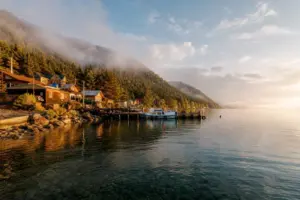 Listvyanka, Lake Baikal · typical visit: 2–3 days
Main image: AI-generated illustration. It may not show the place exactly as it looks.
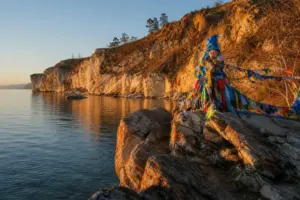 Olkhon Island, Lake Baikal · typical visit: 2–3 days
Main image: AI-generated illustration. It may not show the place exactly as it looks.
 Shamanka Rock, Lake Baikal · typical visit: 30–45 minutesOpen 24 hours
Main image: AI-generated illustration. It may not show the place exactly as it looks.
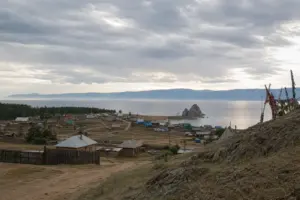 Khuzhir, Lake Baikal · typical visit: 2–3 days
Main image: AI-generated illustration. It may not show the place exactly as it looks.
Related guides
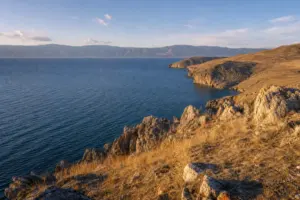 Lake Baikal: Where to Go, What to See and How to Visit
Main image: AI-generated illustration. It may not show the place exactly as it looks.
Browse more: All How-To · All How-To in Lake Baikal · All Lake Baikal · All Other
FAQ
When exactly does Lake Baikal freeze and when does it melt?
The surface freezes for about 4–5 months; from early January to early May–June (latest in the north), the lake surface is covered in ice. The lake usually only freezes over in the end of January–beginning of February. The exact dates vary by year and location on the lake. Plan for late February through March for guaranteed safe ice.
How thick is the ice and is it safe to stand, walk, and drive on it?
On average, the ice reaches a thickness of 0.5 to 1.4 m, but in some places with hummocks, it can be more than 2 m. The thickness of the ice reaches between 1.5 and 2 metres and so it is quite safe to travel on. By late February–March, ice thickness is sufficient for walking, skating, snowmobiles, hovercraft, and even cars. Earlier in winter (January–early February), ice may still be forming and is thinner.
What is the actual temperature I will experience?
The temperature above the lake surface in the middle of the winter is about −21°C, and 5–10°C higher on the shores, on average −10°C–17°C. In March the difference between day time and night time temperatures can range between 15–25°C degrees. Bring extreme-cold gear. Wind chill makes it feel colder than the stated temperature.
What is the 'blue ice' and can I see through it?
The ice of the frozen Lake Baikal is unique as it is absolutely see-through and when you are walking on it you can see several metres down. The surface of the lake is so clear you can see rocks and other objects at the bottom of the lake as far as 40m below. The transparency is due to Baikal's exceptional clarity and minimal snow cover on the ice. It creates a striking visual effect but can cause vertigo in some people.
Are the visible cracks in the ice dangerous?
The length of cracks is about 10–30 km, the width about 2–3 m. Most are just surface cracks from thermal expansion and do not indicate the ice is unsafe. However, cracks are usually not more than 0.5 to 1 meter wide, but sometimes can be up to 4 meters wide and stretch for hundreds of meters. Organised tours avoid wide cracks; never attempt to cross a crack wider than your step.
Can I visit the lake independently without a guide or tour?
Technically yes, but not recommended. For safety, experts do not stray too far from the shoreline. The lake is remote, extremely cold, and hazards (cracks, hummocks, thin ice in specific areas) are not obvious to untrained visitors. Independent walking near the shore on calm days is possible, but multi-day expeditions or travelling to remote areas should only be done with local guides.
What about the frozen methane bubbles I see in photos?
Frozen methane bubbles trapped under the ice form 'strings of pearls'. During winter, huge dark rings appear on the ice, visible from above, most likely formed as a result of the release of methane from the depths of the lake. These are natural phenomena and safe to view; they are often a focal point of photography tours.
Can I visit in January or April instead of February–March?
January ice may still be forming and is thinner or unsafe. April and May are dangerous because the ice starts to melt and crack open. In order to ensure you will be able to go out on the ice, it is best to plan your trip for the last week of February or in March. Late February through early March is the safest and most reliable window.
Russia Vibes is a one-person project. A coffee keeps it going
How we research and update our guides
About this guide: AI assistance and accuracy
This guide is created with the help of AI and is based on official sources where available. Mistakes can still happen. Opening hours, prices, rules and other details are given to the best of our knowledge as of the date shown and can change without notice. It offers general recommendations only, not professional, legal or travel advice. Please confirm important details with the official source before you travel; you are responsible for your own plans and decisions.
Packing for this trip
* Affiliate link: as an Amazon Associate we earn from qualifying purchases at no extra cost to you.

Take this guide with you
Get a free PDF of this guide to print or read offline: key facts, tips and a map link on a few clean pages.
Report an issue on this page
Paying for your trip: please read
International sanctions affect payments between Russia and many other countries. In practice, cards issued in the EU, the UK, the US and several other countries often do not work in Russia, Russian cards usually do not work abroad, and some booking platforms, airlines and payment providers limit or suspend their services for Russia. The situation changes frequently.
We do not give legal or financial advice, and this site does not encourage anyone to break or circumvent sanctions. Whatever you plan, you are responsible for following the laws and regulations that apply to you, including those of your country of residence and citizenship.
Many travelers still organise their stay lawfully. It is worth asking your bank or payment provider what is currently permitted, contacting hotels, tour operators and carriers directly about the payment methods they accept, and checking which services are open to customers from your country. Clarify payment, cancellation and refund terms before you commit to a booking, and keep your plans flexible.
Partner links on this site may not be available in every country, and prices, availability and rules in our guides can differ from what you see when you book.