
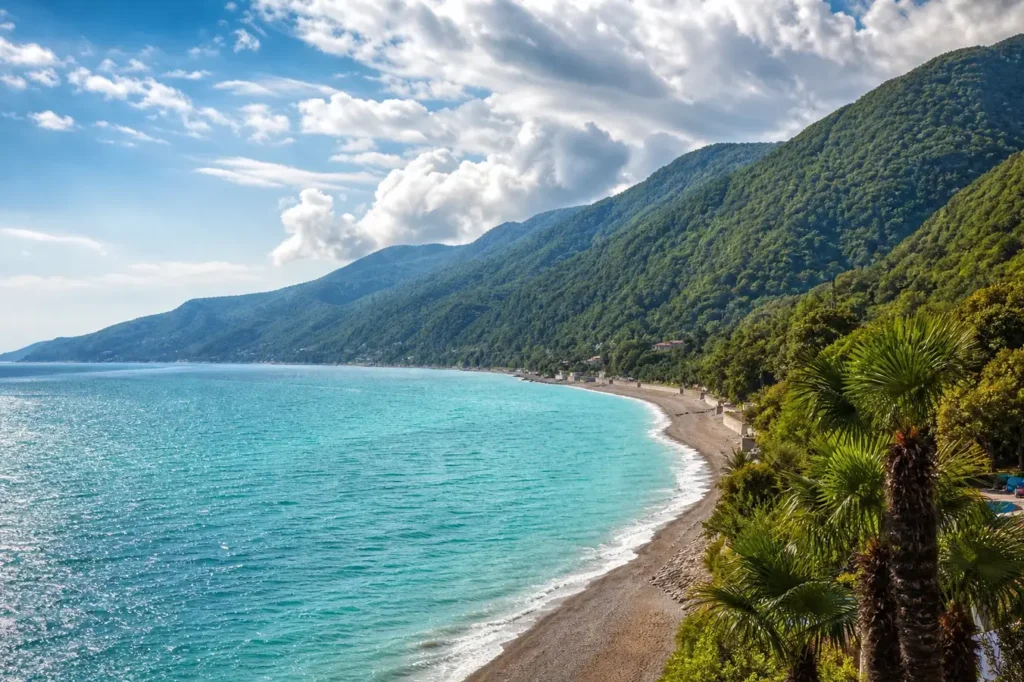
This guide covers the best times to visit Sochi for different travel styles and interests. Whether you want to swim in the Black Sea, explore the Caucasus Mountains, enjoy cultural events, or ski in winter resorts, timing matters for weather, crowds, and costs. We break down each season and month to help you choose.
Use this to find your ideal window: peak summer for heat and beaches, shoulder months for fewer crowds and better prices, autumn for pleasant sightseeing, or winter for mountain activities and festive celebrations.
At a Glance
| # | Place | Best for | Good to know |
|---|---|---|---|
| 1 | June | Ideal shoulder season | Sochi, Black Sea coast; sea warmth suits swimming; advance booking recommended but not urgent |
| 2 | July | Peak beach season | Sochi, Black Sea coast; book far in advance (8+ weeks); peak crowds on weekends |
| 3 | August | Hot summer continuation | Sochi, Black Sea coast; peak season pricing; late month slightly less crowded |
| 4 | September | Shoulder season value | Sochi, Black Sea coast; good-value hotels; uncrowded beaches |
| 5 | May | Spring blooms and budget relief | Sochi, Black Sea coast; moderate crowds; sea water cool but manageable for swimmers |
| 6 | April | Early spring transition | Sochi, Black Sea coast; budget-friendly accommodation; ideal for hiking and parks |
| 7 | October | Autumn sightseeing | Sochi, Black Sea coast; off-season pricing; comfortable for sightseeing |
| 8 | November | Rainy off-season | Sochi, Black Sea coast; heavy rainfall; budget accommodation; museums preferred |
| 9 | December | Winter festivals begin | Sochi, Black Sea coast; New Year demand drives prices up; winter activities and festive atmosphere |
| 10 | January | Winter holidays and mild chill | Sochi, Black Sea coast; post-holiday calm from mid-January; mountain activities available early month |
| 11 | February | Winter sports season | Sochi and Rosa Khutor mountain resort; ski season active; mild rainfall |
| 12 | March | Spring awakening | Sochi, Black Sea coast; mild spring weather; budget accommodation; mountain snowmelt limits high-altitude access |
How We Chose
Entries below cover distinct periods of the year based on verified climate data (temperature ranges, rainfall, sea conditions), tourism patterns (peak vs. shoulder seasons), and events calendar. Each entry describes what to expect, practical matters like facilities and accommodation availability, and who the timing suits best.
- Verified against official climate sources and tourism calendars
- Covers all months and seasons, not just peaks
- Includes sea temperature for beach activity planning
- Acknowledges rainfall and crowd levels for practical planning
1. June – Ideal shoulder season
June marks the start of summer with warm weather and lower rainfall than any other month. Daytime highs reach around 26°C and sea water warms to comfortable swimming temperature. Tourist numbers are rising but not yet at peak. Gardens and parks are in full bloom; the longer daylight hours extend your sightseeing time. Accommodation fills quickly but more slowly than July and August, so booking a week or two ahead usually works.
Good to know: Sochi, Black Sea coast; sea warmth suits swimming; advance booking recommended but not urgent
Tip: June is the unofficial start of beach season. Locals know that travel in the first week is less crowded than the second half of the month.
2. July – Peak beach season
July is the busiest and hottest month, with daytime temperatures around 31°C and sea water at 26°C. Sunny days dominate, though occasional rain still falls. The city and beaches fill rapidly. Hotels and attractions operate at full capacity. Flights and accommodation book out 6–8 weeks in advance. This is prime season for families and beach-focused visitors, but expect crowds at major sights and beaches.
Good to know: Sochi, Black Sea coast; book far in advance (8+ weeks); peak crowds on weekends
Tip: If you visit in July, arrive early on weekdays to explore attractions before midday heat and crowds peak.
3. August – Hot summer continuation
August continues July's heat with daytime highs around 31°C, similar tourist numbers, and sea water still warm at 26°C. Rainfall slightly increases compared to July. It is the driest month of the year overall, but humidity is at its peak, making it feel warmer. Tourist infrastructure remains fully booked. Late August sees slightly lighter crowds as families return home before school starts, but accommodation still fills quickly.
Good to know: Sochi, Black Sea coast; peak season pricing; late month slightly less crowded
Tip: Late August (after mid-month) offers a brief window of fewer tourists before the season truly ends in September.
4. September – Shoulder season value
September straddles summer and autumn with milder temperatures around 27°C and a sea still warm at 24°C. Rainfall increases slightly but remains moderate. Tourist numbers drop noticeably, and hotel rates fall. Prices become more negotiable. The weather is comfortable for both beach days and exploring nearby mountains. Early September is warmer and drier; by late September, cooler air and more rain begin.
Good to know: Sochi, Black Sea coast; good-value hotels; uncrowded beaches
Tip: September is when Russian families return to school, making it an ideal month for international visitors seeking fewer crowds without sacrificing warm weather.
5. May – Spring blooms and budget relief
May brings daytime temperatures around 20–21°C and marks the real opening of the summer season. Rainfall decreases significantly from spring, and gardens are at their colorful peak. Sea water is cool (around 18°C) but swimmable for hardy visitors. Tourist numbers are moderate, and accommodation prices are well below summer peaks. Sochi City Day (late May) marks the official start of the resort season with concerts and events.
Good to know: Sochi, Black Sea coast; moderate crowds; sea water cool but manageable for swimmers
Tip: Visit in late May to catch Sochi City Day celebrations (held late May, typically on a Saturday) and enjoy summer-like conditions with lower hotel rates than June.
6. April – Early spring transition
April is cool with daytime highs around 17°C, marking the shoulder between winter and summer. Some rain persists, but days are growing noticeably longer. Tourist numbers are low, and accommodation is inexpensive. The sea remains cold (around 14°C), unsuitable for swimming. Parks and hiking trails are ideal during this mild period. The Caucasus foothills are accessible without snow.
Good to know: Sochi, Black Sea coast; budget-friendly accommodation; ideal for hiking and parks
Tip: April suits visitors who want to explore inland mountains and parks rather than the beach, with virtually no crowds and deep discounts on hotels.
7. October – Autumn sightseeing
October offers milder temperatures (around 21°C) and moderate rainfall. Sea water cools to 19°C, making swimming less appealing but still possible. Tourist numbers fall sharply after summer. Accommodation prices drop further. The weather is pleasant for walking the city, visiting cultural sites, and exploring nearby attractions. Early October retains more summer warmth; late October becomes noticeably cooler.
Good to know: Sochi, Black Sea coast; off-season pricing; comfortable for sightseeing
Tip: October is often overlooked but offers excellent value, mild weather, and the advantage of outdoor activities without summer heat or crowds.
8. November – Rainy off-season
November is the wettest month with heavy, frequent rainfall. Daytime temperatures drop to around 15°C. Sea water cools to 14°C. Tourist numbers are very low, and accommodation is at deep discounts. The weather discourages beach and outdoor activity, but cultural sites, museums, and indoor venues remain open. Early November retains slightly more warmth; by late November, conditions feel firmly wintry.
Good to know: Sochi, Black Sea coast; heavy rainfall; budget accommodation; museums preferred
Tip: November suits budget-conscious visitors seeking solitude and willing to embrace indoor culture and misty coastal walks.
9. December – Winter festivals begin
December brings cool, wet weather with daytime highs around 11°C and significant rainfall. The sea is cold (10°C) and unsuitable for swimming. However, winter holidays and New Year festivities energize the city. Christmas markets, ice skating, and festive events attract visitors. Tourist numbers rise sharply toward year-end. Accommodation prices climb as Russians book for New Year celebrations. Early December is quieter than late December.
Good to know: Sochi, Black Sea coast; New Year demand drives prices up; winter activities and festive atmosphere
Tip: Book early if visiting December holidays; avoid dates immediately before New Year when prices spike and availability shrinks.
10. January – Winter holidays and mild chill
January is cool and wet with daytime highs around 10°C and frequent rain. The sea remains too cold for swimming. New Year and Orthodox Christmas (January 7) bring festive events and celebrations throughout the month. Tourist numbers remain elevated from December holiday bookings but drop sharply after January 6. Accommodation prices fall after New Year. Winter sports in nearby mountains are still accessible early in the month.
Good to know: Sochi, Black Sea coast; post-holiday calm from mid-January; mountain activities available early month
Tip: Visit after January 6 when holiday crowds and prices vanish, leaving quiet streets and holiday decorations still up.
11. February – Winter sports season
February is cool with daytime highs around 10°C and significant rainfall. The sea remains cold. However, nearby Rosa Khutor resort at higher elevation maintains snow and skiing conditions. The Sochi Jazz Festival runs in February, attracting music lovers. Tourist numbers are still low, and accommodation prices are budget-friendly. This month suits visitors interested in mountain activities rather than beach.
Good to know: Sochi and Rosa Khutor mountain resort; ski season active; mild rainfall
Tip: February is peak ski season in the mountains above Sochi. Combine beach-town exploration with day trips to Rosa Khutor for winter sports.
12. March – Spring awakening
March marks the transition to spring with daytime temperatures climbing toward 13°C. Rainfall remains moderate but decreases compared to winter months. Days grow noticeably longer. Snow lingers in high mountains early in March but melts as the month progresses. Tourist numbers remain low, and accommodation is inexpensive. The sea remains cold but coastal walks and park exploration become more appealing as weather softens.
Good to know: Sochi, Black Sea coast; mild spring weather; budget accommodation; mountain snowmelt limits high-altitude access
Tip: Early March still offers mountain snow for adventurous hikes; late March shifts focus to coastal and park activities as temperatures rise.
Russia Vibes Tips
- Book accommodation and flights 6–8 weeks in advance for June, July, and August. Earlier booking (10+ weeks ahead) is essential for late December New Year holidays.
- The sea temperature often determines comfort for swimming: June–August (21–26°C) suit most swimmers; April, May, September, and October (14–19°C) suit only hardy swimmers; November–March (10–14°C) require wetsuits or other cold-water gear.
- September and October offer an underrated balance: warm enough for swimming, far fewer crowds than summer, comfortable for sightseeing, and noticeably lower hotel rates. Many experienced visitors prefer these months.
- Winter in Sochi (December–February) is mild by Russian standards, but far colder and rainier than summer. Pack layers, waterproofs, and closed shoes rather than expecting Mediterranean warmth.
- The mountains above Sochi (Rosa Khutor area) are cooler and often snowier than the coast. Plan accordingly if combining beach days with mountain activities.
- Rainfall is frequent year-round; brief showers are normal even in dry summer months. A compact umbrella or rain jacket is always useful, especially during transitional months.
Explore Nearby Best Times to Visit, Sochi
Browse more: All Guides · All Guides in Sochi · All Seasonal · All Sochi
FAQ
What is the warmest month in Sochi?
August is the hottest month with daytime temperatures around 31°C, though July is equally hot and more crowded. Both months feature sea water at 26°C, ideal for swimming.
When is the sea warm enough for swimming?
June through September offer swimmable sea temperatures: June (18°C), July–August (26°C), and September (24°C). Casual swimmers prefer July and August; hardy swimmers can manage May and early October.
What is the best time to visit if I want to avoid crowds?
April, November, and early December are quiet. September and October are warmer but still less crowded than summer. April offers spring blooms and mild weather; September and October combine pleasant weather with mountain-hiking conditions.
Is Sochi good in winter?
Winters are mild (10°C daytime) and wet, unsuitable for beach activities. However, late December through early January brings festive celebrations, ice skating, and holiday markets. Winter sports enthusiasts can access ski resorts in the mountains above Sochi.
When is the cheapest time to visit?
November through April offer budget accommodation. November and December-January see price spikes around holidays, so April, February, and March are the best value periods with mild weather.
When do local families travel to Sochi?
July–August is peak domestic tourism. Late December to early January sees Russian families booking for New Year holidays. Early September drops off sharply as Russian children return to school.
What is the rainiest month?
November is the wettest month. December through March also see significant rainfall. June is the driest month; August has the second-lowest rainfall.
Can I visit Sochi year-round?
Yes. The coast never freezes. June–September offers beach and mountain activities. October is pleasant for sightseeing. November–May suits cultural visits, hiking, and indoor exploration. Winter (December–February) adds holiday festivals and mountain sports.
Russia Vibes is a one-person project. A coffee keeps it going
How we research and update our guides
About this guide: AI assistance and accuracy
This guide is created with the help of AI and is based on official sources where available. Mistakes can still happen. Opening hours, prices, rules and other details are given to the best of our knowledge as of the date shown and can change without notice. It offers general recommendations only, not professional, legal or travel advice. Please confirm important details with the official source before you travel; you are responsible for your own plans and decisions.

Take this guide with you
Get a free PDF of this guide to print or read offline: key facts, tips and a map link on a few clean pages.
Report an issue on this page
Paying for your trip: please read
International sanctions affect payments between Russia and many other countries. In practice, cards issued in the EU, the UK, the US and several other countries often do not work in Russia, Russian cards usually do not work abroad, and some booking platforms, airlines and payment providers limit or suspend their services for Russia. The situation changes frequently.
We do not give legal or financial advice, and this site does not encourage anyone to break or circumvent sanctions. Whatever you plan, you are responsible for following the laws and regulations that apply to you, including those of your country of residence and citizenship.
Many travelers still organise their stay lawfully. It is worth asking your bank or payment provider what is currently permitted, contacting hotels, tour operators and carriers directly about the payment methods they accept, and checking which services are open to customers from your country. Clarify payment, cancellation and refund terms before you commit to a booking, and keep your plans flexible.
Partner links on this site may not be available in every country, and prices, availability and rules in our guides can differ from what you see when you book.