

The Trans-Siberian Railway runs year-round, spanning 9,289 kilometres across eight time zones. But deciding on the best season for the Trans-Siberian Railway depends on what experience you want: long summer daylight and accessible stops, or winter’s frozen Siberian beauty and lower prices. This guide walks you through each season’s reality so you can choose the right time for your style of travel.
Most first-time visitors choose summer (June–August) for predictable comfort. But experienced travellers often prefer shoulder seasons or winter for authenticity and fewer crowds. Choose your season based on three factors: weather conditions where you want to spend time, how much daylight matters to you, and whether you prioritize budget over comfort.
Quick answer: The recommended choice is late spring through early autumn (May–September): weather is stable across the route, you'll see the landscape clearly, trains are well-heated even when it's cold, and you'll share carriages with locals rather than only tourists. Summer (June–August) is busiest and priciest but offers the warmest weather and longest daylight. Winter (December–March) is cheaper and atmospheric but extremely cold.Total decision time: 1–2 hours researching and deciding. Cost: varies by season—peak summer costs more; winter costs less.
At a Glance
| Total time | 1–2 hours for research and decision |
|---|
What You Need Before You Start
- Flexible travel dates (or at least two weeks' advance flexibility if shopping for tickets)
- Clear picture of what you want to see: Baikal in summer, frozen Baikal in winter, autumn birch forests, or New Year in Moscow
- Understanding that train climate control is strong indoors but stations and stops are exposed to outdoor weather
- Acceptance that spring (April–May) and autumn (November–April) shoulder periods involve mud season and melting snow
- Awareness that summer books faster and some Lake Baikal guesthouses may close in winter
Compare Your Options
| Option | Duration | Price | Notes |
|---|---|---|---|
| Late spring to early autumn (May–September) | All day-use travel; 6–7 days for Moscow–Vladivostok | ₽₽–₽₽₽ depending on month | Recommended choice. May has spring greenery and lower prices; June–August are warmest and most crowded; September has autumn colour and fewer tourists. Weather is stable, daylight is long, trains are comfortable, stops are accessible. Late May and September offer the best balance. Book 2–3 months ahead. |
| Summer peak (July–August) | 6–7 days for full journey | ₽₽₽ | Best weather, longest daylight (20+ hours in north), all attractions open, Lake Baikal ice-free and clear. Busiest time; tickets are dearest; Lake Baikal accommodation books fast. Peak international tourists share compartments. Book 3+ months ahead. Ideal for families and those prioritizing comfort over solitude. |
| Winter (December–March) | 6–7 days for full journey | ₽–₽₽ | Cheapest fares; dramatic snowy landscapes; fewer tourists; warm train carriages; frozen Lake Baikal by February. Extremely cold outside (−20°C to −30°C); short daylight (3–5 hours); some hotels seasonal. January–February are coldest. Requires serious cold-weather gear. Best for those seeking authenticity and willing to brave the cold. February–March is optimal (slightly milder, Lake Baikal frozen). |
| April–May (spring thaw) | 6–7 days for full journey | ₽₽ | Transitional period. Late May is acceptable (new greenery, locals upbeat after winter); early April is grey and wet (rasputitsa). Weather unpredictable. Some guesthouses still closed. Train heating is still at full winter blast indoors (uncomfortable in daylight stops). Prices moderate. Fewer tourists. Not ideal unless dates are fixed. |
| October–November (autumn fade) | 6–7 days for full journey | ₽₽ | Early October (September–early October) can be spectacular with autumn birch colour and mild weather; late October onwards becomes grey, cold and uninspiring. November is particularly bleak. Train still keeping winter heating. Similar rasputitsa conditions to spring. Prices moderate. Avoid if possible; choose September instead. |
₽ budget · ₽₽ moderate · ₽₽₽ upscale · ₽₽₽₽ splurge. Price levels are estimates compared with typical prices for visitors.
Step-by-Step Instructions
Step 1: Understand the core climate pattern
The Trans-Siberian runs through a continental climate zone: what's cold in Moscow is cold in Vladivostok. Winter temperatures drop to −20°C or lower in Siberia (January–February are coldest), while summer peaks around +15°C to +25°C. The key difference is that Siberia in winter feels warmer than Moscow because the air is very dry, but wind makes it bite harder. Eastern Siberia and the Russian Far East can swing to extreme differences—permafrost zones can reach −40°C, and some areas hit +40°C in summer.
Tip: Dry Siberian cold is easier to bear than the damp cold of European Russia; prepare for wind, not just temperature.
Step 2: Compare summer (June–August) advantages and trade-offs
Summer is the easiest season but not always the best. You get 20+ hours of daylight in the north, ice-free Lake Baikal, birch forests in full leaf, and all platform vendors and attractions open. The downside: July and August are peak tourist season—tickets cost more, trains are crowded with international groups, and popular Lake Baikal guesthouses book months ahead. June and late August are slightly cheaper and less crowded than July.
Tip: If you want summer, book flights at least three months ahead and reserve Lake Baikal accommodation early.
Step 3: Evaluate winter (December–March) for atmosphere and savings
Winter transforms Siberia into snow-covered forests and frozen rivers. Trains are well-heated inside, and costs drop significantly. Fewer international tourists travel then, so you'll share compartments with Russian commuters. By February, Lake Baikal freezes to metres-thick clear ice—transparent enough to see through. The trade-off: it's genuinely cold (−20°C to −30°C), station stops are brief but biting, and daylight hours are short (only 3–5 hours in January). Some hotels close seasonally in winter towns.
Tip: Winter travel is memorable but requires proper cold-weather gear—not a compromise version of summer.
Step 4: Consider shoulder seasons (late May, September–early October)
Late spring (May) and early autumn (September–October) offer lower prices and fewer foreign groups while keeping reasonable daylight and milder weather. May has spring greenery and locals in upbeat mood after winter. September brings sudden autumn colour to birch and larch forests, especially east of Krasnoyarsk. The catch: May still has snow patches in Siberia until late month, and October weather turns grey and unpredictable by late month.
Tip: Early autumn (September) often offers the best balance of weather, scenery, pricing and crowd levels.
Step 5: Avoid the mud season (March–April and November)
Early spring and late autumn are least advisable. March–April sees rasputitsa (the thaw)—melting snow creates slushy mud and grey, uninspiring weather even in central Moscow, and mud season extends into May in Siberia. November is similar: grey, wet, with unreliable snow. Spring can vary year to year depending on temperature swings. These periods are uncomfortable both outdoors during stops and inside overheated trains where the heating is still at full winter blast.
Tip: If you must travel shoulder season, choose May over April, and September over November.
Step 6: Match your interests to your season choice
Think about what experience you came for. Want to hike and swim at Lake Baikal? Summer (June–August) is necessary. Want to stand on frozen Lake Baikal's transparent ice? Go February–March. Want to see the birch forests at peak colour? Late August–September. Want affordable tickets and cosy train atmosphere? Winter (January–February). Want fewer crowds and reasonable weather? May or September. Your season choice should align with what you specifically want to photograph, see or do.
Tip: The 'best' season is subjective; match the season to your priority, not to generic advice.
Step 7: Plan train time against Moscow time, not local time
Trains keep Moscow time throughout the journey, so the clock drifts away from the sun outside—by up to seven hours ahead of actual local time in the far east. This affects when you sleep, eat and wake relative to daylight. In summer, you may see light at 3 am; in winter, darkness arrives by 4 pm even though your watch shows later. Check weather forecasts for both the season you're choosing and the specific regions you'll cross; Siberia varies dramatically.
Tip: Set multiple time-zone clocks on your phone before departure to adjust your body's sleep/meal rhythm.
Common Mistakes to Avoid
- Choosing summer without booking early: July and August attract global crowds. Lake Baikal guesthouses book 2–3 months ahead. Popular train compartments sell out. Book at least three months in advance if you're set on summer dates, or accept you may travel in a standard train or find basic accommodation.
- Underestimating winter cold: Winter feels romantic until you step off the train at a Siberian station in −25°C wind with 15 minutes to stretch your legs. Proper insulated coat, thermal layers, windproof gloves and face protection are not optional. Don't treat winter like a milder version of autumn; it's a fundamentally different experience.
- Confusing mud season (April and November) with shoulder seasons: March–April and late October–November are grey, wet and uncomfortable both outdoors and aboard (overheated trains contrast with muddy, chilly stops). April is sometimes deceptively mild, but May is reliably better. September is almost always better than October. Don't default to April or November just because flights are cheap.
- Forgetting the Moscow time disconnect: The train runs on Moscow time all the way to Vladivostok. Your watch can show 11 pm while the sun is still high, or show 4 pm while full darkness surrounds you. This affects sleep, eating times and how you photograph scenery. Set multiple time-zone alarms on your phone; don't rely on local station clocks.
- Booking based on average temperatures alone: Siberian winter doesn't feel as cold as equivalent Moscow winter (dry air), but extreme wind in Siberia bites harder. The reverse: humidity in the Russian Far East (Vladivostok region) makes even −10°C feel biting. Check wind forecasts, not just temperature ranges, especially for winter.
- Assuming Lake Baikal is always accessible: Summer (June–August) offers ice-free swimming and boat tours. Winter (February–March) offers transparent frozen ice. April–May and October–November: melting ice makes access unsafe or limited. Spring travellers may find no ice activities available; autumn travellers may find shore frozen but unsafe. Match your Lake Baikal plans to your season.
Tickets, Payment and Booking
You book your specific travel dates and season when reserving tickets on the Russian Railways website (rzd.ru) or through authorized ticket agents. As of October 2026: the Moscow–Vladivostok route (Rossiya and other trains) operates daily year-round. The Trans-Mongolian routes (Moscow–Ulaanbaatar–Beijing) resumed in 2025 but with limited frequency; check availability before committing to dates.
Book 60–90 days ahead for best availability and prices, especially for summer (June–August). Winter and shoulder seasons have more availability but sell to budget travellers. Foreign visitors can purchase tickets directly on rzd.ru or through travel agents; payment methods vary by agent. Always verify current timetables and operating status before booking, as seasonal schedules and routes occasionally change.
Helpful Links
Advertisement: these are partner links. If you book or buy through them, we may earn a commission at no extra cost to you.
Russia Vibes Tips
- Consider your visa and entry timeline when choosing season. Winter requires heavier documentation and longer advance notice from some visa services. Summer travel is easier logistically because tourist infrastructure is at full capacity.
- Book accommodation in Lake Baikal towns (Irkutsk, Listvyanka, Olkhon Island) before booking the train if you're traveling May–September. Summer guesthouses fill three months ahead; many close entirely in winter.
- September beats July. Similar daylight, fewer tourists, autumn colour just starting, and trains are less crowded. Prices drop noticeably after August 31. If you have flexible dates, target September.
- Winter travellers should budget for proper cold-weather gear before departure. Buying -20°C-rated clothing in Russia in January is possible but expensive and time-consuming. Arrive with your kit.
- Your experience of the Trans-Siberian is the experience of the train itself, not the speed or luxury of the route. The cheapest regular train (Rossiya, Baikal) offers the same journey and timeline as premium packages. Season choice matters more than cabin class for what you actually see and feel.
- If you're torn between seasons, choose based on a single must-see: frozen Lake Baikal (February–March), summer swimming in Baikal (July–August), or autumn birch forests (late August–September). Build your season around that one anchor, not around generic 'best time' advice.
Explore Nearby How to Choose the Best Season for the Trans-Siberian Railway, Trans-Siberian Railway
Sights near How to Choose the Best Season for the Trans-Siberian Railway, Trans-Siberian Railway
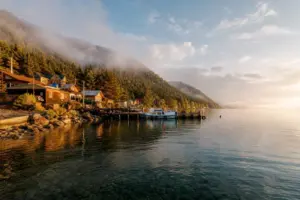 Listvyanka, Lake Baikal · typical visit: 2–3 days
Main image: AI-generated illustration. It may not show the place exactly as it looks.
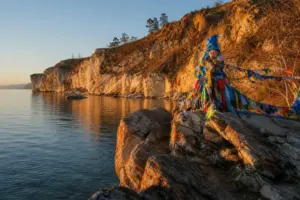 Olkhon Island, Lake Baikal · typical visit: 2–3 days
Main image: AI-generated illustration. It may not show the place exactly as it looks.
Related guides
 How to Book Trans-Siberian Railway Tickets, Trans-Siberian Railway: Booking Guide
Main image: AI-generated illustration. It may not show the place exactly as it looks.
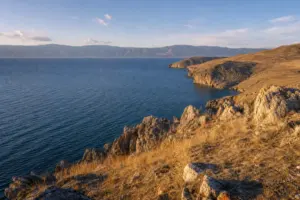 Lake Baikal: Where to Go, What to See and How to Visit
Main image: AI-generated illustration. It may not show the place exactly as it looks.
Browse more: All How-To · All How-To in Trans-Siberian Railway · All Other · All Trans-Siberian Railway
FAQ
Is summer really the best time to travel the Trans-Siberian?
Summer is the most popular and comfortable time, with warmest weather, longest daylight, and all stops fully accessible. But it's also most crowded and expensive. Many experienced travellers prefer September (autumn colour, fewer crowds, same daylight as August) or winter (dramatic frozen landscapes, lower prices, fewer tourists). 'Best' depends on your priorities.
How cold is winter on the Trans-Siberian, and is it manageable?
January–February temperatures range from −20°C to −30°C (or lower in extreme areas). Inside the train, carriages are well-heated. Outside at station stops, it's genuinely cold but manageable with proper gear: insulated coat, thermal layers, windproof gloves, face protection. The dry Siberian air makes it feel warmer than equivalent Moscow cold, but wind makes it bite harder. If you dislike extreme cold, avoid winter.
Can I visit Lake Baikal in every season?
Yes, but the experience changes. Summer (June–August): ice-free, clear water, swimming and boat tours possible. Winter (February–March): frozen with transparent ice, accessible for walking and ice activities. April–May and October–November: melting or forming ice makes access limited or unsafe. Match your Lake Baikal plan to your season.
What's the cheapest season to travel?
Winter (December–March) offers the lowest fares. January–February are cheapest. Summer (June–August) is most expensive. Shoulder seasons (May, September–early October) offer moderate prices. However, cheap tickets sometimes mean the train is less crowded because weather is harsher, not because it's a bargain season.
Is there a best month for booking tickets?
Book 60–90 days ahead for competitive pricing and availability, especially for summer. Winter and shoulder seasons have more last-minute availability. Avoid booking less than 30 days ahead unless travelling winter (outside Christmas–New Year period). Peak summer (July–August) requires 3+ months advance booking.
How does the train's Moscow time schedule affect my experience?
The train runs on Moscow time throughout, so your clock drifts up to seven hours ahead of actual local time by Vladivostok. In summer, you may see daylight at 3 am your watch time; in winter, darkness at 4 pm. This affects sleep and meal rhythms. Set multiple time-zone alarms on your phone and adjust your body's rhythms to local actual time, not watch time.
Can I sleep well on the train regardless of season?
Yes. Train compartments are consistently warm and insulated year-round. Summer can be slightly warmer (some visitors find it stuffy), while winter feels cosy. Season doesn't significantly affect sleep quality inside the train—the main difference is daylight hours (summer: very light; winter: very dark, easier to sleep).
Which season is best for photographers?
Summer offers dramatic birch forests, clear lake, and long daylight for shooting. Late August–September offers autumn colour and softer light. Winter offers snow-covered forests and stark landscapes (black and white). Spring and autumn transitions offer dramatic skies. Choose based on what you want to photograph: green (summer), gold (September), or white (winter).
Russia Vibes is a one-person project. A coffee keeps it going
How we research and update our guides
About this guide: AI assistance and accuracy
This guide is created with the help of AI and is based on official sources where available. Mistakes can still happen. Opening hours, prices, rules and other details are given to the best of our knowledge as of the date shown and can change without notice. It offers general recommendations only, not professional, legal or travel advice. Please confirm important details with the official source before you travel; you are responsible for your own plans and decisions.
Packing for this trip
* Affiliate link: as an Amazon Associate we earn from qualifying purchases at no extra cost to you.

Take this guide with you
Get a free PDF of this guide to print or read offline: key facts, tips and a map link on a few clean pages.
Report an issue on this page
Paying for your trip: please read
International sanctions affect payments between Russia and many other countries. In practice, cards issued in the EU, the UK, the US and several other countries often do not work in Russia, Russian cards usually do not work abroad, and some booking platforms, airlines and payment providers limit or suspend their services for Russia. The situation changes frequently.
We do not give legal or financial advice, and this site does not encourage anyone to break or circumvent sanctions. Whatever you plan, you are responsible for following the laws and regulations that apply to you, including those of your country of residence and citizenship.
Many travelers still organise their stay lawfully. It is worth asking your bank or payment provider what is currently permitted, contacting hotels, tour operators and carriers directly about the payment methods they accept, and checking which services are open to customers from your country. Clarify payment, cancellation and refund terms before you commit to a booking, and keep your plans flexible.
Partner links on this site may not be available in every country, and prices, availability and rules in our guides can differ from what you see when you book.