
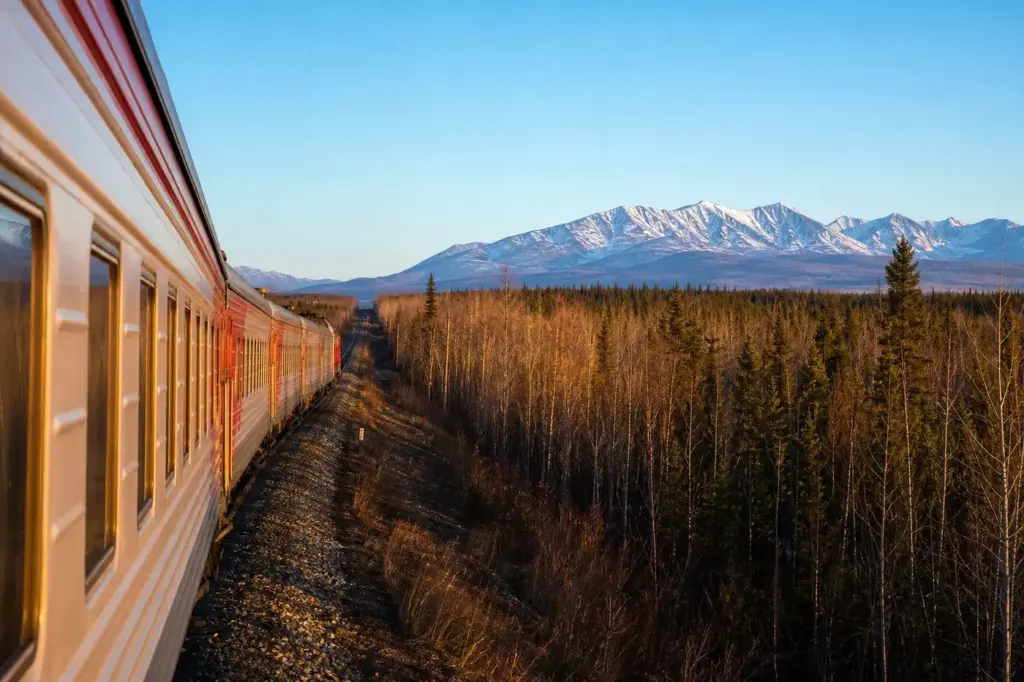
The Trans-Siberian Railway spans nearly 9,000 kilometers from Moscow to Vladivostok, but the real adventure lies not just in the train journey itself, but in the stopovers you make along the way. This guide helps you plan stopovers along the Trans-Siberian Railway by identifying the best places to break your journey, understanding how ticket reservations work, and structuring a trip that balances travel time with exploration.
You cannot buy a single open-ended ticket that lets you hop on and off. Instead, each traveller gets a reserved sleeping berth with a specific train number and date. The recommended approach is to book separate point-to-point tickets for each leg of your journey, giving you the flexibility to spend time in the cities and regions that interest you most.
Quick answer: Book separate tickets for each segment of your journey rather than one through-ticket. Popular stopovers include Yekaterinburg (1–2 days), Irkutsk and Lake Baikal (2–3 days), and Ulan-Ude (1–2 days) before continuing east or crossing into Mongolia or China. Total journey time depends on your stopovers but typically ranges from 7–14 days.
At a Glance
| Total time | Planning phase: 2–4 weeks before departure. Each stopover adds 1–3 days to your total journey. |
|---|---|
| Typical cost | ₽₽–₽₽₽ depending on class of accommodation on trains and stopover accommodation choices |
What You Need Before You Start
- Valid passport with appropriate visas for Russia and any transit countries
- Credit card or debit card accepted internationally (check your bank's sanctions compliance)
- Pre-booking window of at least 1–3 months recommended for summer travel
- Account on the official Russian Railways website (rzd.ru) or use a third-party booking agent
- Luggage: pack light and manageable since you'll be moving between trains; porters available at stations for a modest fee
Compare Your Options
| Option | Duration | Price | Notes |
|---|---|---|---|
| Book all tickets in advance (recommended) | 2–4 weeks pre-planning | ₽₽–₽₽₽ | Ensures you get your preferred trains and classes, especially critical for summer travel. Book via rzd.ru (official Russian Railways) or third-party agencies. Provides certainty but less flexibility to extend a stopover. |
| Book first segment in advance, remaining segments on the road | 1–2 weeks pre-planning; book subsequent legs at each stop | ₽₽–₽₽₽ | Balances planning and flexibility. Requires visiting ticket offices or agencies in each city. Risk: popular routes may be fully booked by the time you arrive at a stopover. |
| Use a tour operator or travel agency | 3–6 weeks pre-planning | ₽₽₽–₽₽₽₽ | Agencies handle all bookings, often arrange hotels and tours, and speak English. Higher cost due to service fees. Best for first-time travellers or those without time to plan independently. |
| Combine stopovers with a guided group tour | 4–8 weeks pre-planning | ₽₽₽–₽₽₽₽ | Includes accommodation, meals, guided city tours, and Lake Baikal excursions. Removes logistical burden but reduces spontaneity. Most suitable for those preferring group experience and guided commentary. |
| Direct journey without stopovers | 1–2 weeks pre-planning | ₽₽–₽₽₽ | Single ticket (Moscow to Vladivostok takes 7–8 days non-stop). Simplest booking but misses the cities and landscape views. Not recommended for first-time travellers. |
₽ budget · ₽₽ moderate · ₽₽₽ upscale · ₽₽₽₽ splurge. Price levels are estimates compared with typical prices for visitors.
Step-by-Step Instructions
Step 1: Decide on your route and stopovers
Choose your start point (Moscow, Saint Petersburg, Vladivostok) and endpoint. Decide which cities appeal to you: Yekaterinburg for Ural mountain scenery and history, Novosibirsk for central Siberia, Irkutsk for Lake Baikal access, Ulan-Ude for Buryat culture and views toward Mongolia, or Krasnoyarsk for Siberian landscapes. Write down your preferred stopover cities in order. Consider travel time between cities and the number of days you want to spend at each stop.
Tip: Summer months (May to September) offer the best weather and longest daylight but require booking 2–3 months in advance. Winter travel is possible but less popular among first-time visitors.
Step 2: Map out train schedules between stopovers
On the official Russian Railways website (rzd.ru) or through a booking agency, search for available trains on each leg of your journey. For example, if you plan Moscow → Yekaterinburg → Novosibirsk → Irkutsk → Vladivostok, check train times and numbers for each segment. Note the departure times (often listed in Moscow time or local time) and journey durations. Most trains offer multiple classes: first class (double compartments) and second class (four-berth compartments).
Tip: Use the website's local time option to avoid confusion; some trains travel across multiple time zones and switching between Moscow and local time helps with planning.
Step 3: Calculate realistic stopover lengths
For each city, estimate how many days you need to explore. Yekaterinburg typically requires 1–2 days for the city centre and nearby Ural sites. Irkutsk and Lake Baikal deserve 2–3 days if you want to visit villages on the lake shore or experience the region properly. Ulan-Ude works as a 1–2 day stop. Once you know your stopover durations, plan which train you'll catch departing each city, working backward from your final destination and desired arrival date.
Tip: Leave flexibility: if a stopover turns out to be special, you can usually book another onward ticket after arriving.
Step 4: Book tickets for the first segment
Start with the first leg (for example, Moscow to Yekaterinburg). On rzd.ru, register an account if you don't have one. Enter your departure city, destination, date, and passenger details. Select your preferred train and class. Cards issued outside Russia do not work, so pay in cash at a station ticket office. You'll receive an e-ticket confirmation. Foreign visitors may also use third-party agencies that add a service fee but handle the booking process.
Tip: E-tickets are available for most routes from Russia. Keep all confirmations and ticket numbers in a document or phone; you'll need them at check-in.
Step 5: Arrive at the station early and locate your berth
Arrive at least 30–45 minutes before departure for each train. Find the correct platform (displayed on station departure boards). Aboard, locate your car number and berth number (printed on your ticket). Introduce yourself to the provodnitsa (train attendant) in your car; she manages the berth allocation, provides bedding, and can answer questions about meal services and stops. Stow large luggage under the lower berth; smaller bags fit on the upper berth or in overhead racks.
Tip: Bring slippers or soft shoes to wear in the berth; hard-soled shoes are removed before entering sleeping quarters.
Step 6: Disembark at your stopover city
When the train arrives at your stopover destination, gather your belongings and exit via the marked exits. Ask the provodnitsa about the exact arrival time and which platform to use. Exit onto the station platform, then through the station building to street level. Station porters are available if you need help with luggage (modest fee depending on bag count and city). Exit the station to the main square or street where taxis, buses, or metro stations are located.
Tip: Note the station building's landmarks (name, colour, major signs) so you can navigate back for your onward train. Keep your next train ticket visible or accessible.
Step 7: Check into accommodation and explore
Head to your pre-booked hotel, hostel, or guesthouse in the city centre. In Irkutsk, for example, centrally-located accommodation puts Lake Baikal tours and wooden architecture within walking distance or short transport. Spend your allocated days exploring museums, eating local food, taking day trips, or simply resting. Some travellers book guided tours; others prefer self-guided exploration with offline maps (Yandex Maps for Russia).
Tip: In larger cities, metro systems (Yekaterinburg, Novosibirsk) move you quickly between sights. Carry copies of your passport and visa; keep originals in the hotel safe.
Step 8: Book your next onward train ticket
Before or after arriving at your stopover, book the next leg of your journey using the same process as step 4. Some travellers book all segments months in advance; others book onward tickets once at each stop to remain flexible. Use the same account or booking method. Confirm the departure date, time, and train number. Receive your e-ticket or paper ticket.
Tip: Popular summer routes (especially Moscow–Irkutsk) sell out weeks ahead; booking before arrival is safer. If booking on-the-fly, confirm availability with the ticket office or agent.
Step 9: Return to the station for your next departure
On your final day at each stopover, pack your belongings and settle your hotel bill. Arrange transport back to the railway station (taxi, public bus, or metro to the station). Arrive 30–45 minutes before departure. Enter through the station's main entrance, locate the departure board or ticket inspector to confirm your platform. Follow the same boarding process as before: find your car, meet the provodnitsa, settle into your berth, and prepare for the next leg of your journey.
Tip: Double-check your departure time and platform in case of changes. The provodnitsa has the car's manifest; if your name is listed, you're confirmed.
Common Mistakes to Avoid
- Booking a single through-ticket expecting to hop off along the way: this doesn't work. Every ticket is reserved for a specific train, date, berth, and destination. Always book separate tickets for each leg.
- Underestimating stopover planning time: booking in summer without planning stopovers 2–3 months ahead often results in sold-out trains and limited accommodation options. Plan and book as early as possible.
- Not accounting for time zone changes: Moscow-based train schedules may display departure times in Moscow time, while local cities operate on different time zones. Confusion leads to missed trains. Always confirm the time zone on your ticket.
- Packing too much luggage: trying to haul overstuffed bags between trains and hotels is exhausting. Station porters help but cost money and slow you down. Stick to one carry-on-sized backpack or rolling bag.
- Forgetting that some cities require separate tickets for onward connections: if you plan to travel beyond major cities (e.g., Irkutsk to Lake Baikal villages), those trips require separate booking and transport. Don't assume the main train ticket covers side excursions.
- Not checking visa requirements for stopover countries: if your route includes Mongolia or China, you need visas for those countries. Check well in advance; some visas require approval letters or lengthy processing.
Tickets, Payment and Booking
Official booking: Visit rzd.ru (Russian Railways) or use a third-party booking agent licensed to sell international Trans-Siberian tickets. E-tickets are available for most routes departing Russia.
Payment methods: Credit and debit cards from international banks. Plan for cash and for payment options that work locally.
Foreign visitors: You can book on rzd.ru directly after registering, though the process requires creating an account and may involve language or payment processing details. Many travellers use agencies (for example, Real Russia, The Trans-Siberian Travel Company, or Russian Train) that handle bookings in English and add service fees.
Avoid resellers: Book only from official sources (rzd.ru) or registered travel agencies. Touts at stations or unknown online platforms may sell counterfeit or invalid tickets.
Russia Vibes Tips
- Request a lower berth (neschno mesto) if possible; upper berths involve climbing and less legroom, though some travellers prefer them for privacy. The provodnitsa can sometimes arrange swaps if berths are available.
- Bring comfortable walking shoes, a water bottle, snacks, and entertainment (books, tablet, headphones). Train Wi-Fi is unreliable. Dining cars serve meals at moderate prices but are often crowded during service hours.
- Lake Baikal stopovers: Irkutsk is the obvious hub, but the lake's southern shore is more accessible by day trip. For a deeper Baikal experience, consider 2–3 days rather than rushing between trains.
- Timing tip: if you depart Moscow in May–early June or late August–September, you avoid peak summer crowds and still enjoy good weather and daylight.
- Keep copies of all tickets (e-tickets and printouts), your passport data page, and visa pages in a separate document or encrypted phone file. If you lose the physical ticket, the copy and your booking reference number may help the railway staff locate your reservation.
Explore Nearby How to Plan Stopovers Along the Trans-Siberian Railway, Trans-Siberian Railway
Sights near How to Plan Stopovers Along the Trans-Siberian Railway, Trans-Siberian Railway
 Listvyanka, Lake Baikal · typical visit: 2–3 days
Main image: AI-generated illustration. It may not show the place exactly as it looks.
Related guides
 How to Book Trans-Siberian Railway Tickets, Trans-Siberian Railway: Booking Guide
Main image: AI-generated illustration. It may not show the place exactly as it looks.
 Yekaterinburg: Red Line, Yeltsin Center and Europe-Asia Border
Main image: AI-generated illustration. It may not show the place exactly as it looks.
 Lake Baikal: Where to Go, What to See and How to Visit
Main image: AI-generated illustration. It may not show the place exactly as it looks.
 Irkutsk: 130 Kvartal, Decembrists and Gateway to Lake Baikal
Main image: AI-generated illustration. It may not show the place exactly as it looks.
Browse more: All How-To · All How-To in Trans-Siberian Railway · All Metro and Trains · All Trans-Siberian Railway
FAQ
Can I buy one ticket and get on and off wherever I want?
No. Each ticket is reserved for a specific train, date, car, and berth. To stop off at intermediate cities, you must book separate point-to-point tickets for each leg of your journey.
How far in advance should I book?
For summer travel (May–September), book 2–3 months in advance, especially for popular routes like Moscow–Irkutsk. For winter or shoulder seasons, 4–8 weeks ahead is usually sufficient. Last-minute bookings are riskier but possible on less busy routes.
What if I want to extend my stopover beyond my booked train date?
You can book another onward train after arriving at your stopover city. Use the railway's booking system or a local ticket office to reserve the next leg. Most cities offer ticket offices in or near the railway station.
Do I need to book accommodation in advance?
For summer travel, yes—hotels fill up quickly in popular cities like Irkutsk. Book ahead using Russian platforms (Ostrovok.ru) or international sites. Winter and off-season allow more flexibility for last-minute bookings.
What luggage can I bring on the train?
You can bring personal luggage in your berth (one small bag per person plus items stowed under the lower berth). Large suitcases fit under berths. Station porters help move heavy luggage to/from the train for a modest fee.
Are visas required for stopovers in Russia, Mongolia, or China?
Most foreign visitors need a Russian visa, which can take several weeks to obtain. If your route includes Mongolia or China, you need visas for those countries as well. Check requirements with the relevant embassies well in advance.
Is travel on the train overnight, and are there bathrooms?
Yes, most Trans-Siberian segments are overnight journeys of 12–48 hours. Bathrooms (toilets and basic sinks) are in each train car. They are functional but basic; bring your own towel and toiletries.
What if my connecting train is delayed?
Train delays are rare on main routes but possible. If you miss a connecting train, contact the railway or your booking agent immediately to rebook. This is another reason to book with reputable agencies or platforms; they assist with rebooking in case of disruptions.
Russia Vibes is a one-person project. A coffee keeps it going

Take this guide with you
Get a free PDF of this guide to print or read offline: key facts, tips and a map link on a few clean pages.
Report an issue on this page
Paying for your trip: please read
Payments and bookings between Russia and many other countries are currently restricted. In practice, cards issued in the EU, the UK, the US and several other countries often cannot be used in Russia, Russian cards usually cannot be used abroad, and some booking platforms, airlines and payment providers limit or pause their services for Russia. The situation changes frequently.
We do not give legal or financial advice, and this site does not encourage anyone to break any rule that applies to them. Whatever you plan, you are responsible for following the laws and regulations that apply to you, including those of your country of residence and citizenship.
Many travelers still organise their stay without problems. It is worth asking your bank or payment provider what is currently possible, contacting hotels, tour operators and carriers directly about the payment methods they accept, and checking which services are open to customers from your country. Clarify payment, cancellation and refund terms before you commit to a booking, and keep your plans flexible.
Partner links on this site may not be available in every country, and prices, availability and rules in our guides can differ from what you see when you book.
How we research and update our guides
About this guide: AI assistance and accuracy
This guide is created with the help of AI and is based on official sources where available. Mistakes can still happen. Opening hours, prices, rules and other details are given to the best of our knowledge as of the date shown and can change without notice. It offers general recommendations only, not professional, legal or travel advice. Please confirm important details with the official source before you travel; you are responsible for your own plans and decisions.
* Affiliate link: as an Amazon Associate we earn from qualifying purchases at no extra cost to you.