

Spending days on a long-distance Russian train means eating becomes part of the journey itself. You have multiple options for meals: the on-board restaurant car, local vendors at station stops, food you bring yourself, included vouchers (on some tickets), and free hot water available around the clock. How to eat and drink on long-distance Russian trains boils down to matching your budget, taste and journey length with the available options.
This guide covers everything a first-time traveller needs: where to find food, what to expect, what works best for different routes and budgets, and how to avoid common disappointments. The most practical approach combines an economical mix—vendor stops for fresh local food, your own packed items, and the restaurant car for specific meals rather than every service.
Quick answer: Choose your food strategy based on journey length and budget. Short trips (under 24 hours): buy from platform vendors at stops and use the dining car if you want hot meals. Longer journeys: bring shelf-stable basics (bread, cheese, sausage, tea), use platform stops to top up with fresh food, and visit the dining car selectively. All trains have free hot water available continuously from the provodnik (conductor), making instant tea and soups viable. Total time: food is integrated into the journey, not an additional activity.
At a Glance
| Total time | Ongoing throughout journey; no separate time required |
|---|---|
| Typical cost | ₽ to ₽₽₽ depending on choices |
What You Need Before You Start
- Long-distance train ticket (dining car and hot water included on all long-distance routes)
- Cash in Russian rubles (platform vendors rarely accept cards)
- Reusable mug or thermos (for hot water and tea)
- Basic snacks or meal items if you prefer to avoid restaurant cars
- Advance knowledge of your train's stops (platform vendors appear 10–30 minutes into each stop)
- Menu from the dining car (available in your compartment or at the car entrance)
Compare Your Options
| Option | Duration | Price | Notes |
|---|---|---|---|
| Dining car (restaurant wagon) | Service during mealtimes; dishes available 7–9 am (breakfast), noon–2 pm (lunch), 6–8 pm (dinner) | ₽₽ | Available on all long-distance RZD trains. Hot, freshly cooked meals at mealtimes; quality drops at off-peak hours. Higher prices than platform vendors but convenient and reliable. Serves soups, mains (pelmeni, blini, meat dishes), beverages. Ordering at table, cash or card payment. No reservations; shared seating common. |
| Platform vendors at station stops | Available during 20–30 minute stops every 3–4 hours; usually 10–30 mins into each stop | ₽ | Fresh local specialties: cheese, smoked fish, pastries, boiled eggs, bread, fresh vegetables, cured sausage. Cash-only, small denominations in rubles. Iconic stop: smoked omul at Lake Baikal (Slyudyanka station). Best for budget travellers and cultural experience. Quality high; prices very low. |
| Bring your own food and use free hot water | Eat anytime; hot water available 24 hours | ₽ | Most economical option. Pack bread, cheese, sausage, tea, instant noodles, biscuits, jam before departure. Request free hot water and glass from provodnik anytime. Make instant tea, coffee, or simple sandwiches in compartment. Very common among Russian passengers. Requires planning and shopping before boarding. |
| Included meal voucher (first and second-class 'with services' tickets) | Single meal during your journey; timing varies by ticket class | Included | First-class includes three-course set menu with drink (upscale options). Second-class 'with services' includes one meal total (regardless of journey length) served in compartment or dining car. Meal choice usually made at booking or shortly after boarding. Not sufficient for multi-day journeys alone; combine with other options. |
| Pre-ordered restaurant delivery to train (select departure cities) | Delivery as train departs from station | ₽₽ | Available from Moscow, Saint Petersburg, Yaroslavl, Irkutsk, Yekaterinburg, Vladivostok, Kazan, Sochi. Order via RZD Passengers app or website up to 72 hours before departure. Pizza, regional specialties popular. Requires online booking and card payment before travel. Food delivered to compartment. |
| Luxury tourist trains (Imperial Russia, Golden Eagle) | Full-board included daily | ₽₽₽₽ | Private operators (not RZD regular service). Opulent dining cars with upmarket Russian menu, bar, live piano music, multi-course meals daily. Full-board included. English-speaking guides. Trans-Siberian tourist routes Moscow–Vladivostok and Moscow–Beijing (via Mongolia). Premium experience; most expensive option. |
₽ budget · ₽₽ moderate · ₽₽₽ upscale · ₽₽₽₽ splurge. Price levels are estimates compared with typical prices for visitors.
Step-by-Step Instructions
Step 1: Understand what meals come with your ticket
Check your ticket category before boarding. First-class tickets include a multi-course meal set (breakfast, lunch or dinner with drink); second-class 'with services' tickets include one meal (not per day, but one total meal regardless of journey length); third-class has no included meals. These come either served in your compartment by the provodnik or as a restaurant car voucher. If your ticket says 'without services', no meals are included.
Tip: When booking on RZD.ru or RussianTrain.com, look for a knife-and-fork icon or 'У' symbol with a number—this shows how many included meals you receive.
Step 2: Locate the samovar and request tea on boarding
Every carriage has a samovar (hot water dispenser) at the end of the corridor, available free 24 hours. Knock on the provodnik's compartment (usually near the end of your carriage) and ask for a glass of hot water ("Stakan goryachey vody, pozhaluysta"). You'll receive a glass inside a decorative metal holder (podstakánnik). Keep the holder and reuse it throughout your journey; leave it outside the provodnik's door when done.
Tip: Bring several tea bags or a small jar of instant coffee; the provodnik can refill your glass unlimited times at no charge.
Step 3: Plan stops and scout platform vendors
Long-distance trains on the Moscow–Vladivostok route and Trans-Siberian routes stop for 20–30 minutes every 3–4 hours at major stations. When the train stops, platform vendors appear selling fresh local food: cheese, smoked fish, boiled eggs, pastries, bread, vegetables, sausage and sometimes hot meals. Notable stop: Slyudyanka (Lake Baikal station) sells smoked omul (local fish). Prices are low, cash-only, and in rubles.
Tip: Get off the train quickly; popular items sell out. Have cash ready in small denominations. Ask the provodnik which major stops are coming next to plan your shopping.
Step 4: Assess the dining car before first visit
Walk to the restaurant car (located centrally on most trains) early in your journey and review the physical menu. Modern RZD dining cars serve hot soups, pelmeni (dumplings), blini (pancakes), borscht, salads, tea, coffee and beer. Quality varies: lunch and dinner typically offer freshly prepared dishes; breakfast and off-peak hours may serve reheated frozen items. Compare quality and portion size against prices before ordering. Service is informal; no reservations needed, first-come-first-served.
Tip: Visit around mealtimes (noon–2 pm, 6–8 pm) for the freshest food. Go early in breakfast hours (7–9 am) for better selection. Solo diners may be seated at shared tables.
Step 5: Bring complementary foods for gaps
Pack shelf-stable items before boarding: bread, cheese, cured sausage, butter, salt, biscuits, jam or peanut butter, instant noodles, and tea bags or instant coffee. These give you emergency meals between platform stops and dining car visits. Hard-boiled eggs, if you can source them at stops, are a Russian classic. This approach is common among both local passengers and budget-conscious travellers.
Tip: Buy initial supplies in the departure city (supermarkets like Pyaterochka or Magnit are widespread). Fresh bread disappears quickly; buy extra on day one.
Step 6: Order food delivery to the train if available (selected cities)
For trains departing from or passing through Moscow, Saint Petersburg, Yaroslavl, Irkutsk, Yekaterinburg, Vladivostok, Kazan or Sochi, you can pre-order food from local restaurants through the RZD Passengers mobile app or the Russian Railways website. Log into your Personal Account, find "Ticketing Services" or "Food Delivery to the Train", and place your order no later than when the train is at the station. Food is delivered to your compartment as the train departs.
Tip: Pizza and traditional regional dishes are most popular. Payment is by card (Visa/Mastercard accepted) and can only be done during ticket purchase or via your Personal Account online, not on board.
Step 7: Understand alcohol rules and bring water
Alcohol is banned in compartments and common areas except the dining car and bar. Beer is permitted. Many Russians drink discreetly in compartments despite the rule. Bring or buy bottled water at stops; tap water is not reliably safe to drink. The dining car serves soft drinks at higher prices than shops.
Tip: If you want to drink alcohol outside the dining car, do so quietly and respectfully in your compartment. Never leave trash or create disturbance.
Step 8: Track your timing and budget as journey progresses
On multi-day journeys, monitor your cash (pay attention to how much you spent at vendors and in the dining car). By mid-journey, adjust your strategy: if you have spent more than expected, rely more on your brought supplies and free hot water until the next major city stop where you can find an ATM or shop. If budget is not a concern, eat at the dining car for experience but be aware meals are simpler than restaurants in cities.
Common Mistakes to Avoid
- Expecting hot meals at all hours: Dining cars serve hot, freshly cooked food only during mealtimes (7–9 am, noon–2 pm, 6–8 pm). Off-peak orders may be reheated frozen food from the microwave. Plan meals around these windows.
- Assuming one included meal covers the whole journey: 'With services' second-class tickets include exactly one meal total, not per day. A 7-day journey still gets one meal. Budget and plan accordingly with vendor stops and packed items.
- Not bringing cash for platform vendors: Vendors accept cash in rubles only, no cards. ATMs are not accessible from the platform. Arrive at each major stop with sufficient small-denomination rubles.
- Missing iconic food stops: The smoked omul (fish) at Lake Baikal (Slyudyanka station) is a highlight; the train stops briefly and vendors sell out fast. Plan to get off early and be ready with cash.
- Drinking tap water from train taps: Water quality is unreliable. Buy bottled water at stops or shops before boarding. The hot water from the samovar is safe for tea and instant meals.
- Underestimating dining car prices: Restaurant car meals cost 2–3 times more than shops outside; on a 7-day journey, dining exclusively in the car quickly adds up. Use it selectively, not for every meal.
- Bringing alcohol into compartments: Though locals sometimes break the rule, alcohol is officially banned outside the dining car and may attract conductor attention or conflict with compartment-mates. Enjoy beer or wine in the dining car.
Tickets, Payment and Booking
Tickets for long-distance Russian trains are sold by RZD (Russian Railways). Book online at rzd.ru (Russian bank card required, though some routes accept Visa/Mastercard) or through international agents like RussianTrain.com (Visa/Mastercard accepted). When purchasing, select ticket class (‘1st’, ‘2nd’, or ‘3rd class’) and choose ‘with services’ (includes one meal) or ‘without services’ (no meal). Check the restaurant car icon when booking to confirm the train has a dining car.
On selected departure cities (Moscow, Saint Petersburg, Yaroslavl, Irkutsk, Yekaterinburg, Vladivostok, Kazan, Sochi), pre-order restaurant delivery to your train through the RZD Passengers mobile app or personal account, up to 72 hours before departure. Payment by Visa/Mastercard. Third-country payment apps and digital wallets may face friction; carry a backup card if possible.
Warning: Resellers and ticket touts operate at stations; buy only from official RZD channels. Do not purchase from unauthorized sellers or street vendors. Tourist scams exist; use trusted booking agents.
Helpful Links
Advertisement: these are partner links. If you book or buy through them, we may earn a commission at no extra cost to you.
Russia Vibes Tips
- Visit the dining car early in the morning (7–8 am) or at the start of lunch (noon) to secure fresh hot dishes before stock runs down. Off-peak hours attract reheated meals from the microwave.
- The podstakánnik (metal tea glass holder) is a piece of train culture: ask the provodnik for one, drink tea throughout your journey, and leave it outside their door when done. Keeping it as a souvenir is possible but traditionally you return it.
- On longer journeys (5+ days), mix strategies: platform vendor stops for fresh local food (day 1–3), your brought supplies for breakfasts and snacks (daily), selective dining car meals for the experience (once or twice), and hot water for instant meals and tea (throughout). This balances cost, variety and quality.
- Chat with your compartment mates about meal plans. Russian passengers often share tips on the best vendor stops, the quality of the current dining car, and whether the provodnik sells extras (snacks, drinks) from their compartment at station stops.
- Lake Baikal station (Slyudyanka) is the standout platform vendor stop on the Trans-Siberian route: smoked omul (local fish) is legendary and sells quickly. Get off immediately when the train stops; you have 10–15 minutes.
- Bring a pocket knife or small scissors: sausages, cheese and bread from vendors are easier to prepare if you can cut them cleanly. Plastic cutlery is nearly useless for cured meats.
Explore Nearby How to Eat and Drink on Long-Distance Russian Trains, Trans-Siberian Railway
Related guides
 How to Book Trans-Siberian Railway Tickets, Trans-Siberian Railway: Booking Guide
Main image: AI-generated illustration. It may not show the place exactly as it looks.
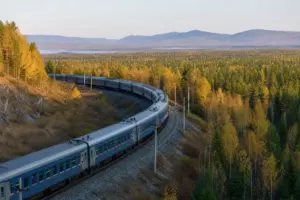 Trans-Siberian Railway: Route, Stops and Travel Guide
Main image: AI-generated illustration. It may not show the place exactly as it looks.
 Lake Baikal: Where to Go, What to See and How to Visit
Main image: AI-generated illustration. It may not show the place exactly as it looks.
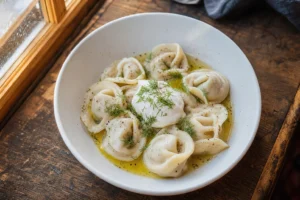 Pelmeni: How to Make Russia’s Traditional Meat Dumplings at Home
Main image: AI-generated illustration. It may not show the place exactly as it looks.
Browse more: All How-To · All How-To in Trans-Siberian Railway · All Other · All Trans-Siberian Railway
FAQ
Is there a restaurant car on the Trans-Siberian Railway?
Yes, all Trans-Siberian trains and long-distance RZD trains have restaurant cars. Check the restaurant car icon (knife and fork symbol) when booking to confirm. Quality and menu vary by train; service is available during mealtimes (breakfast 7–9 am, lunch noon–2 pm, dinner 6–8 pm). Off-peak hours may offer reheated meals. Service is self-service or order-at-table; no reservations needed.
Do I get meals included with my ticket?
Depends on ticket class. First-class: yes, three-course set menu with drink. Second-class 'with services': yes, one meal total for the entire journey (not per day), regardless of journey length. Third-class and second-class 'without services': no meals included. Check your ticket when purchased; it will state 'with services' or 'without services'.
How much does food cost on the train?
Dining car prices are moderate (₽₽ level): a soup or main course, 3–4 times more expensive than the same meal in a city shop. A simple two-course meal with tea costs more than a street vendor stop. Platform vendors are very cheap (₽): fresh cheese, bread, sausage and pastries cost far less than the dining car. Bring your own food is cheapest (₽).
Can I bring my own food on the train?
Yes, bringing your own food is entirely permitted and very common. Pack shelf-stable items (bread, cheese, sausage, tea, instant noodles, biscuits) before boarding. This is the most economical approach, especially for multi-day journeys. Use the free hot water from the samovar for instant meals and tea. Combine with platform vendor stops for fresh food during stops.
What hot water is available for tea and instant meals?
Every carriage has a samovar (hot water dispenser) available free 24 hours. Knock on the provodnik's (conductor's) compartment door and ask for a glass of hot water (Stakan goryachey vody). You'll receive it in a decorative metal glass holder. You can request refills unlimited times at no charge. Bring tea bags, instant coffee, or instant noodles to use with it.
What do I need to know about platform vendor stops?
Trains stop for 20–30 minutes every 3–4 hours at major stations. Platform vendors sell fresh local food: cheese, smoked fish, boiled eggs, pastries, bread, vegetables, sausage. Prices are very low and cash-only in rubles. Popular items sell out fast; get off early. Lake Baikal station (Slyudyanka) is famous for smoked omul (local fish). Have cash in small denominations ready.
Can I order food to be delivered to the train?
Yes, for trains departing from or passing through Moscow, Saint Petersburg, Yaroslavl, Irkutsk, Yekaterinburg, Vladivostok, Kazan or Sochi. Use the RZD Passengers mobile app or Russian Railways website to pre-order from local restaurants and specify your compartment number. Order before the train departs (typically no later than 72 hours before, depending on the route). Pizza and regional dishes are most popular. Payment by Visa/Mastercard.
What are the rules about alcohol on the train?
Alcohol is banned in compartments and common areas except the dining car (and bar, on luxury trains). Beer is permitted. Some Russians drink discreetly in compartments but this violates the rule and may disturb compartment mates. Drinks in the dining car are 2–3 times more expensive than in shops. Bring water, not alcohol, to your compartment; use hot water for tea.
Russia Vibes is a one-person project. A coffee keeps it going
How we research and update our guides
About this guide: AI assistance and accuracy
This guide is created with the help of AI and is based on official sources where available. Mistakes can still happen. Opening hours, prices, rules and other details are given to the best of our knowledge as of the date shown and can change without notice. It offers general recommendations only, not professional, legal or travel advice. Please confirm important details with the official source before you travel; you are responsible for your own plans and decisions.
Packing for this trip
* Affiliate link: as an Amazon Associate we earn from qualifying purchases at no extra cost to you.

Take this guide with you
Get a free PDF of this guide to print or read offline: key facts, tips and a map link on a few clean pages.
Report an issue on this page
Paying for your trip: please read
International sanctions affect payments between Russia and many other countries. In practice, cards issued in the EU, the UK, the US and several other countries often do not work in Russia, Russian cards usually do not work abroad, and some booking platforms, airlines and payment providers limit or suspend their services for Russia. The situation changes frequently.
We do not give legal or financial advice, and this site does not encourage anyone to break or circumvent sanctions. Whatever you plan, you are responsible for following the laws and regulations that apply to you, including those of your country of residence and citizenship.
Many travelers still organise their stay lawfully. It is worth asking your bank or payment provider what is currently permitted, contacting hotels, tour operators and carriers directly about the payment methods they accept, and checking which services are open to customers from your country. Clarify payment, cancellation and refund terms before you commit to a booking, and keep your plans flexible.
Partner links on this site may not be available in every country, and prices, availability and rules in our guides can differ from what you see when you book.