
This list of the best museums in Saint Petersburg has nine entries, written for visitors who have a few days and want to choose carefully instead of trying everything. The city has far more museums than any trip can hold, and the big names sit next to smaller places that are often more rewarding.
It covers art, anthropology, jewellery, the siege of Leningrad, politics, the navy and railways, in different parts of the city. Each entry says what you will actually see, which area it is in and what to know before you go, so you can group two or three of them into one day.
At a Glance
| # | Place | Best for | Good to know |
|---|---|---|---|
| 1 | State Hermitage Museum, Saint Petersburg | Best for a first visit | Palace Square; Admiralteyskaya or Nevsky Prospekt metro; paid; closed Mondays; check hermitagemuseum.org for hours and tickets. |
| 2 | State Russian Museum, Saint Petersburg | Best for Russian art | Arts Square; Nevsky Prospekt or Gostiny Dvor metro; paid; closed Tuesdays; stays open late one evening a week, check the official site. |
| 3 | Kunstkamera, Saint Petersburg | Best for the unusual | Universitetskaya Embankment, Vasilyevsky Island; Vasileostrovskaya metro, then a walk or a short ride; paid; closed Mondays. |
| 4 | Fabergé Museum, Saint Petersburg | Best for jewellery | Fontanka embankment; Gostiny Dvor or Nevsky Prospekt metro, then a walk; paid; open daily. |
| 5 | State Memorial Museum of the Defense and Siege of Leningrad, Saint Petersburg | Best for the siege story | Solyanoy Lane; Chernyshevskaya metro, then a walk; paid; reported to be closed Tuesdays, so confirm on the official site. |
| 6 | State Museum of Political History of Russia, Saint Petersburg | Best for 1917 | Petrogradsky District; Gorkovskaya metro, then a short walk; paid; check the official site for hours and closing days. |
| 7 | Central Naval Museum, Saint Petersburg | Best for ships and the sea | Spit of Vasilyevsky Island; Vasileostrovskaya metro, then a walk or a short ride; paid; check the official site for hours and closing days. |
| 8 | Erarta Museum of Contemporary Art, Saint Petersburg | Best for modern art | 29th Line, Vasilyevsky Island; Vasileostrovskaya metro, then a bus or a long walk; paid; check the official site for hours and closing days. |
| 9 | Russian Railway Museum, Saint Petersburg | Best for trains | Admiralteysky District, south of the centre; check the nearest metro on the official site; paid; closing days vary, so check before you go. |
How We Chose
The entries come from official museum information and reliable references, not from personal visits. The aim is variety, not a ranking.
- Currently open: every museum is a well-known institution that was operating as of October 2026; confirm hours and closing days on the official site before you go.
- Variety: art, science and anthropology, decorative arts, wartime history, politics and transport.
- Location: most entries are in the central districts, close to a metro station, so they combine easily.
- Something to see: each entry has a clear reason to go, not generic praise.
1. State Hermitage Museum, Saint Petersburg – Best for a first visit
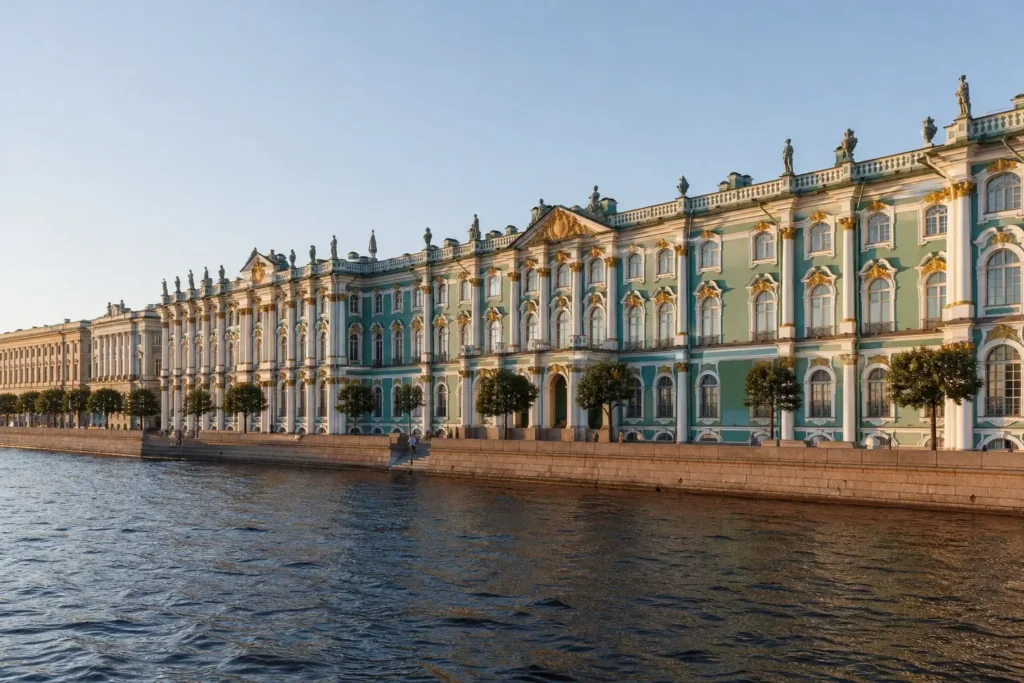
The Hermitage was founded in 1764 by Catherine the Great and fills the Winter Palace, the former home of the tsars, and several neighbouring buildings along the Palace Embankment. The gilded state rooms and the grand staircase are as memorable as the paintings.
The collection is far too large for one visit. Choose two or three galleries in advance, and treat the palace interiors as part of the exhibition.
Good to know: Palace Square; Admiralteyskaya or Nevsky Prospekt metro; paid; closed Mondays; check hermitagemuseum.org for hours and tickets.
Tip: Go on a weekday soon after opening, and start with the rooms you care about most.
2. State Russian Museum, Saint Petersburg – Best for Russian art
The Russian Museum holds the largest collection of Russian art in the world, shown in the Mikhailovsky Palace and in several other historic buildings. It is the place to see how Russian painting developed, from icons to the nineteenth-century realists and the avant-garde.
The main entrance is on Inzhenernaya Street, on the side of the palace away from Nevsky Prospekt, so do not look for it on the square.
Good to know: Arts Square; Nevsky Prospekt or Gostiny Dvor metro; paid; closed Tuesdays; stays open late one evening a week, check the official site.
Tip: Take the palace as one visit and treat the other Russian Museum buildings as separate trips.
3. Kunstkamera, Saint Petersburg – Best for the unusual
The Kunstkamera was founded by Peter the Great in 1714 and is the oldest museum in Russia. It now houses the Museum of Anthropology and Ethnography, with displays on peoples and cultures around the world, in a baroque building with a tower on the Neva embankment.
Some displays, especially the early anatomical collection, are graphic, so think about this before taking young children.
Good to know: Universitetskaya Embankment, Vasilyevsky Island; Vasileostrovskaya metro, then a walk or a short ride; paid; closed Mondays.
Tip: Look at the building from the Palace Embankment side as well; it is much better seen across the river.
4. Fabergé Museum, Saint Petersburg – Best for jewellery
The museum opened in 2013 in the Shuvalov Palace on the Fontanka embankment, as the first private museum of its kind in Russia. The core of it is the world's largest collection of works by the Fabergé firm, including the Imperial Easter eggs made for the last tsars.
The museum is small, and a visit can take an hour or two. The palace interiors are part of the attraction.
Good to know: Fontanka embankment; Gostiny Dvor or Nevsky Prospekt metro, then a walk; paid; open daily.
Tip: Combine it with a walk along the Fontanka and an hour in the Russian Museum for a compact day.
5. State Memorial Museum of the Defense and Siege of Leningrad, Saint Petersburg – Best for the siege story
This museum tells the story of the siege of Leningrad and the defence of the city in the Second World War, in a former building in Solyanoy Lane. It is the fullest account of the battle and of daily life in the besieged city that a visitor can find in Saint Petersburg.
The subject is heavy, so plan the visit at a time when you have energy and can take a quiet walk afterwards.
Good to know: Solyanoy Lane; Chernyshevskaya metro, then a walk; paid; reported to be closed Tuesdays, so confirm on the official site.
Tip: Pair it with the Piskaryovskoye Memorial Cemetery if you want the full picture.
6. State Museum of Political History of Russia, Saint Petersburg – Best for 1917
The museum is housed in the Kshesinskaya Mansion, the Art Nouveau house of a famous ballerina, which the Bolsheviks used as their headquarters in 1917. It follows Russian political history through the revolution and the Soviet years.
The building has a balcony from which Lenin spoke to crowds, which is a good place to start before you go through the exhibitions.
Good to know: Petrogradsky District; Gorkovskaya metro, then a short walk; paid; check the official site for hours and closing days.
Tip: Visit it together with the Peter and Paul Fortress, which is only a short walk away.
7. Central Naval Museum, Saint Petersburg – Best for ships and the sea
The museum traces its roots to the Model Chamber founded by Peter the Great in 1709, and it is one of the oldest museums in Russia. It shows models of ships, weapons and the history of the Russian fleet, in a building near the Spit of Vasilyevsky Island.
The museum also runs the cruiser Aurora, which is a short trip away on the other bank of the Neva.
Good to know: Spit of Vasilyevsky Island; Vasileostrovskaya metro, then a walk or a short ride; paid; check the official site for hours and closing days.
Tip: Plan the museum together with the Spit, which has the best views of the Peter and Paul Fortress.
8. Erarta Museum of Contemporary Art, Saint Petersburg – Best for modern art
Erarta shows the largest private collection of contemporary Russian art in the country, in a large modern building on Vasilyevsky Island. It is a good counterweight to the imperial museums, with painting, sculpture and installations from the last decades.
It keeps long hours, so it works well for an evening after a day of walking.
Good to know: 29th Line, Vasilyevsky Island; Vasileostrovskaya metro, then a bus or a long walk; paid; check the official site for hours and closing days.
Tip: Allow time for the upper floors, where the more experimental work is.
9. Russian Railway Museum, Saint Petersburg – Best for trains
The museum covers the history of Russian railways, from the first lines to modern trains, with models, locomotives and carriages. It is a good choice for anyone interested in transport and engineering, and it is often a hit with children.
The museum is not in the centre, so give it a half day and combine it with something else on the same side of the city.
Good to know: Admiralteysky District, south of the centre; check the nearest metro on the official site; paid; closing days vary, so check before you go.
Tip: Ask at the museum which halls are open before you set out; larger exhibits are not always on display.
Russia Vibes Tips
- Group museums by area. The Russian Museum and the Fabergé Museum are close to Nevsky Prospekt; the Kunstkamera, the Naval Museum and Erarta are on Vasilyevsky Island; the Political History museum is on the Petrogradsky side.
- Do not put the Hermitage and another large museum into the same day. A big museum and a small one work better, and the small one often leaves a better impression.
- Use the evenings. The Hermitage and the Russian Museum stay open late on one weekday each, and Erarta keeps long hours, which helps in a short trip.
- Museums are a good plan for cold or wet days, and the city has plenty of them from autumn to early spring when the weather is poor.
- Pace yourself with the siege museum. Plan something quiet for the hour afterwards, such as a walk by the water.
Explore Nearby Best Museums, Saint Petersburg
Sights near Best Museums, Saint Petersburg
 Palace Square, Saint Petersburg · typical visit: 30–60 minutes, more with the Hermitage
Main image: AI-generated illustration. It may not show the place exactly as it looks.
 Summer Garden, Saint Petersburg · typical visit: 1–2 hours
Main image: AI-generated illustration. It may not show the place exactly as it looks.
 Saint Michael's Castle, Saint Petersburg · typical visit: 1.5–2 hours
Main image: AI-generated illustration. It may not show the place exactly as it looks.
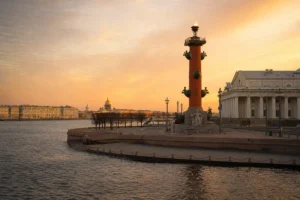 Spit of Vasilyevsky Island, Saint Petersburg · typical visit: 1–2 hours, plus time for any museum
Main image: AI-generated illustration. It may not show the place exactly as it looks.
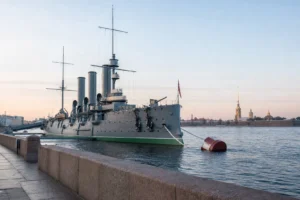 Cruiser Aurora, Saint Petersburg · typical visit: 1–1.5 hours
Main image: AI-generated illustration. It may not show the place exactly as it looks.
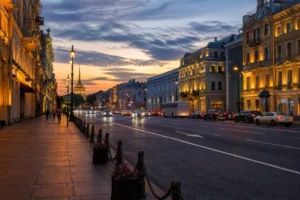 Nevsky Prospekt, Saint Petersburg · typical visit: 2–4 hours for the main stretch; a full day with stops
Main image: AI-generated illustration. It may not show the place exactly as it looks.
Browse more: All Culture Lists · All Guides · All Guides in Saint Petersburg · All Saint Petersburg
FAQ
How many museums can I see in one day?
Two is a realistic maximum, and one large museum with a smaller one is the best combination. The Hermitage alone can fill a day. The smaller museums, such as the Fabergé Museum, take one or two hours.
Is the Winter Palace separate from the Hermitage?
No. The Winter Palace is the main building of the Hermitage. Which neighbouring buildings are covered by your ticket can change, so check the official Hermitage site when you buy.
Which museum is best for Russian art?
The State Russian Museum holds the largest collection of Russian art in the world, from icons to the avant-garde. The Hermitage is mostly about European and world art, so choose the Russian Museum if Russian painting is your goal.
Is the Fabergé Museum a state museum?
No. It is a private museum, opened in 2013 in the Shuvalov Palace. This is why it keeps its own opening pattern and is not part of the state museum network.
Is the cruiser Aurora part of the Central Naval Museum?
Yes. The cruiser is run by the Central Naval Museum, though it is on the other side of the Neva from the main building. See the article on the cruiser Aurora for the practical details.
What is the Kunstkamera?
It is the Museum of Anthropology and Ethnography, founded by Peter the Great in 1714. It shows objects from cultures around the world, together with an early anatomical collection that some visitors find disturbing.
Which museums suit bad weather?
All of them, but the Hermitage and the Russian Museum offer the most hours under one roof. Smaller museums, such as Erarta and the Fabergé Museum, work well for a shorter indoor stop.
Can I pay with a foreign bank card?
This varies, and the sanctions rules of your own country may restrict the use of Russian payment services, so check this yourself before you travel. Plan an alternative way to pay for tickets.
Russia Vibes is a one-person project. A coffee keeps it going
Last updated: October 16, 2026. Found an error or something out of date? Report it and we will check and fix it.
How we research and update our guides
About this guide: AI assistance and accuracy
This guide is created with the help of AI and is based on official sources where available. Mistakes can still happen. Opening hours, prices, rules and other details are given to the best of our knowledge as of the date shown and can change without notice. It offers general recommendations only, not professional, legal or travel advice. Please confirm important details with the official source before you travel; you are responsible for your own plans and decisions.
International sanctions affect payments between Russia and many other countries. In practice, cards issued in the EU, the UK, the US and several other countries often do not work in Russia, Russian cards usually do not work abroad, and some booking platforms, airlines and payment providers limit or suspend their services for Russia. The situation changes frequently. We do not give legal or financial advice, and this site does not encourage anyone to break or circumvent sanctions. Whatever you plan, you are responsible for following the laws and regulations that apply to you, including those of your country of residence and citizenship. Many travelers still organise their stay lawfully. It is worth asking your bank or payment provider what is currently permitted, contacting hotels, tour operators and carriers directly about the payment methods they accept, and checking which services are open to customers from your country. Clarify payment, cancellation and refund terms before you commit to a booking, and keep your plans flexible. Partner links on this site may not be available in every country, and prices, availability and rules in our guides can differ from what you see when you book.Paying for your trip: please read

Take this guide with you
Get a free PDF of this guide to print or read offline: key facts, tips and a map link on a few clean pages.