
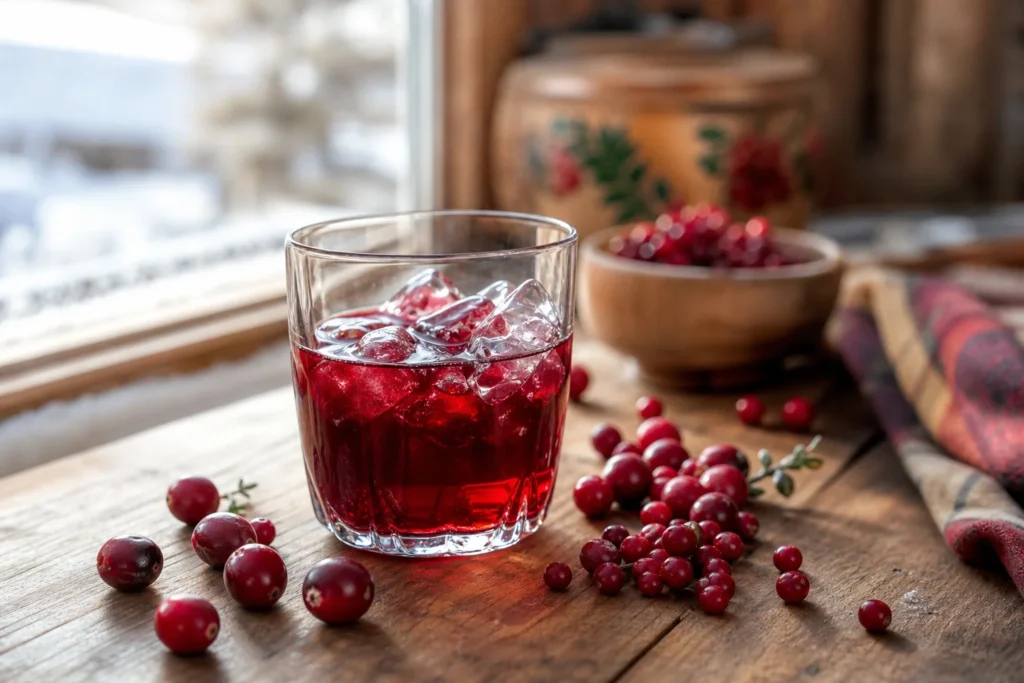
Mors is a refreshing, traditional drink you’ll find served throughout Russia, from restaurants to home kitchens. Whether you’re visiting Murmansk or anywhere else in the country, learning to make mors is a practical way to enjoy an authentic beverage that reflects Russian culinary heritage. This guide shows you how to make a simple mors—how to make Russian berry drink at home using fresh or frozen berries.
The drink requires minimal ingredients and about 35 minutes from start to finish. The recommended approach is the cooked method, which preserves flavor and reduces the need for added sugar.
Quick answer: Mors is made by boiling berries with sugar or honey and lemon juice, or by mixing pure juice with sweetened water. Total time is 35–45 minutes, and the cost is minimal when made at home.
At a Glance
| Type | Drinks |
|---|---|
| Local name | морс |
| Origin | A recipe for mors can be found in the Domostroy, a 16th-century Russian set of household rules, but it is likely that the drink existed prior to this. |
| Servings | 3–4 servings |
| Total time | 35–45 minutes |
| Difficulty | Easy |
History and Story of Mors, Murmansk
A recipe for Mors can be found in the Domostroy, a 16th-century Russian set of household rules, but it is likely that the drink existed prior to this. At that time, the sour-sweet berry juices were stored in cold cellars and drunk in winter to avoid vitamin deficiencies. The drink reflects the traditional Russian way of preserving berries and their nutrients through the long winter months.
Ingredients
- 400 g fresh or frozen cranberries, lingonberries, or blueberries
- 1.2 litres water
- 60–80 g sugar or honey
- Juice of half a lemon or 1 tablespoon lemon juice
- Saucepan and fine sieve or cheesecloth
- Wooden spoon or masher
How Mors, Murmansk Is Made
Step 1: Prepare the berries
Rinse your chosen berries under cold water and remove any stems or leaves. If using frozen berries, allow them to thaw slightly first.
Tip: Frozen berries work just as well as fresh and are often more affordable.
Step 2: Extract the juice
Place berries in a sieve or lined with cheesecloth and mash them gently with a wooden spoon or masher to release their juice. Set the juice aside in a separate container.
Tip: Work gently to avoid grinding seeds, which can make the drink bitter.
Step 3: Simmer the berry pulp
Put the mashed berries and pulp into a saucepan with 1.2 litres of water. Bring to a boil, then reduce heat and simmer for 5 minutes. This extracts colour and flavour from the skins and remaining flesh.
Tip: The liquid should turn a rich ruby or deep purple colour.
Step 4: Strain and sweeten
Strain the cooked mixture through a fine sieve or cheesecloth into a clean pot. Add sugar or honey and the lemon juice, stirring well. Bring to a gentle simmer for 1 minute, then remove from heat.
Tip: Taste and adjust sweetness and acidity to your preference; add more lemon juice or sugar as needed.
Step 5: Combine and cool
Once the liquid has cooled to room temperature, pour it into a serving pitcher or bottles. Add the reserved fresh juice and stir thoroughly.
Tip: Adding the fresh juice after cooking helps preserve brightness and natural flavour.
Step 6: Chill and serve
Refrigerate for at least 1 hour before serving. Pour over ice and drink as is, or dilute with water if you prefer a lighter, less intense flavour.
Tip: Homemade mors keeps refrigerated for up to 5 days.
Variants
- Cranberry mors (most traditional, slightly tart)
- Lingonberry mors (Arctic berry, common in northern Russia)
- Red currant and blueberry blend (sweet and slightly tart balance)
- Wild strawberry mors (delicate, fragrant)
- Sea buckthorn mors (bright orange, tangy)
- Mixed-berry mors using 2–3 varieties together
Common Mistakes to Avoid
- Using boiling water straight from the kettle without cooling it first—this can damage the delicate flavours. Always let water cool slightly or use room-temperature water if making raw mors.
- Over-boiling the berries, which makes the drink taste bitter and destroys some vitamins. Five minutes is enough.
- Skipping the juice extraction step and boiling all the berries together. This step preserves the bright, fresh taste that makes mors distinctive.
- Forgetting to strain properly or leaving pulp in the drink. Homemade versions sometimes include pulp, but clear mors should be strained twice.
- Adding sugar before tasting. Different berries have different acidity levels, so taste first and adjust sweetness to your preference.
- Using only one type of berry. Cherries, blueberries, redcurrants, cranberries, raspberries, gooseberries and sea buckthorn are best suited for mors. You can prepare the drink with a single type of berry or a mixture of different kinds.
How to Order and Eat It
Today, mors is a popular drink on hot summer days. Serve mors chilled over ice as a refreshing beverage on its own. Mors is sometimes mixed with vodka to make an alcoholic cocktail. You can also dilute it with sparkling water if you prefer a lighter version, or serve it warm in winter with the addition of mulling spices such as cinnamon or cloves.
To order: Морс, пожалуйста [Mors, pozhaluysta]
Russia Vibes Tips
- The colour of your mors depends on the berries used. Cranberry and lingonberry create a rich red, while blueberries produce deep purple. A blend of red and blue berries creates a vibrant magenta shade.
- In summer, when fresh berries are at their peak and prices are low, make a batch and refrigerate it for several days. It works well as a base for other drinks or can be stirred into yoghurt.
- The tartness of the berries varies by season and type. Always taste your mors before fully diluting it and adjust the sugar and lemon juice accordingly. Some people prefer it more tart than sweet.
- If you make mors without heat (cold method), which some prefer for maximum nutrient retention, use finely mashed berries, stir them into water with sugar, and let sit overnight before straining. This method takes longer but requires no cooking.
- Save the strained berry pulp. It can be used to make a second, lighter infusion by simmering the pulp again with fresh water, or mixed into jam or baked goods.
- In restaurants, mors may be served as a light appetizer drink before a meal, as its acidity is believed to aid digestion.
Explore Nearby Mors, Murmansk
Browse more: All Food & Drink · All Food & Drink in Murmansk · All Murmansk · All Other
FAQ
Can I use frozen berries?
You can use either fresh or frozen cranberries for this drink. Frozen berries work well and are often cheaper. Thaw them slightly before using.
Is mors the same as compote or juice?
Mors differs from regular juice in that it is diluted with water and sweetener is added. And it differs from compote by the fact that it consists of fresh berry juice.
How long does homemade mors last?
Homemade mors keeps refrigerated for 5–7 days in a sealed container. You can also freeze it for longer storage.
What berries work best?
Mors is generally prepared from lingonberries and cranberries, alternatively bilberries, strawberries, raspberries or sea-buckthorn may be used.
Can I make mors without cooking?
Yes. There are two ways of preparing mors. The first does not involve any heat treatment. In the raw method, mash the berries, mix with water and sugar, let sit overnight, and strain.
Is there an alcoholic version?
Mors is sometimes mixed with vodka to make an alcoholic cocktail. A shot of vodka is typically served on the side of the drink.
Can I dilute mors further?
Yes. If the finished mors is too strong or sweet, you can dilute it with still or sparkling water to taste. Some people mix it 1:1 with water or even weaker.
What should the final taste be?
Mors should be pleasantly tart and slightly sweet, with a balance between the natural acidity of the berries and the added sweetener. It refreshes rather than satisfies thirst like juice does.
Russia Vibes is a one-person project. A coffee keeps it going
How we research and update our guides
About this guide: AI assistance and accuracy
This guide is created with the help of AI and is based on official sources where available. Mistakes can still happen. Opening hours, prices, rules and other details are given to the best of our knowledge as of the date shown and can change without notice. It offers general recommendations only, not professional, legal or travel advice. Please confirm important details with the official source before you travel; you are responsible for your own plans and decisions.

Take this guide with you
Get a free PDF of this guide to print or read offline: key facts, tips and a map link on a few clean pages.
Report an issue on this page
Paying for your trip: please read
International sanctions affect payments between Russia and many other countries. In practice, cards issued in the EU, the UK, the US and several other countries often do not work in Russia, Russian cards usually do not work abroad, and some booking platforms, airlines and payment providers limit or suspend their services for Russia. The situation changes frequently.
We do not give legal or financial advice, and this site does not encourage anyone to break or circumvent sanctions. Whatever you plan, you are responsible for following the laws and regulations that apply to you, including those of your country of residence and citizenship.
Many travelers still organise their stay lawfully. It is worth asking your bank or payment provider what is currently permitted, contacting hotels, tour operators and carriers directly about the payment methods they accept, and checking which services are open to customers from your country. Clarify payment, cancellation and refund terms before you commit to a booking, and keep your plans flexible.
Partner links on this site may not be available in every country, and prices, availability and rules in our guides can differ from what you see when you book.