
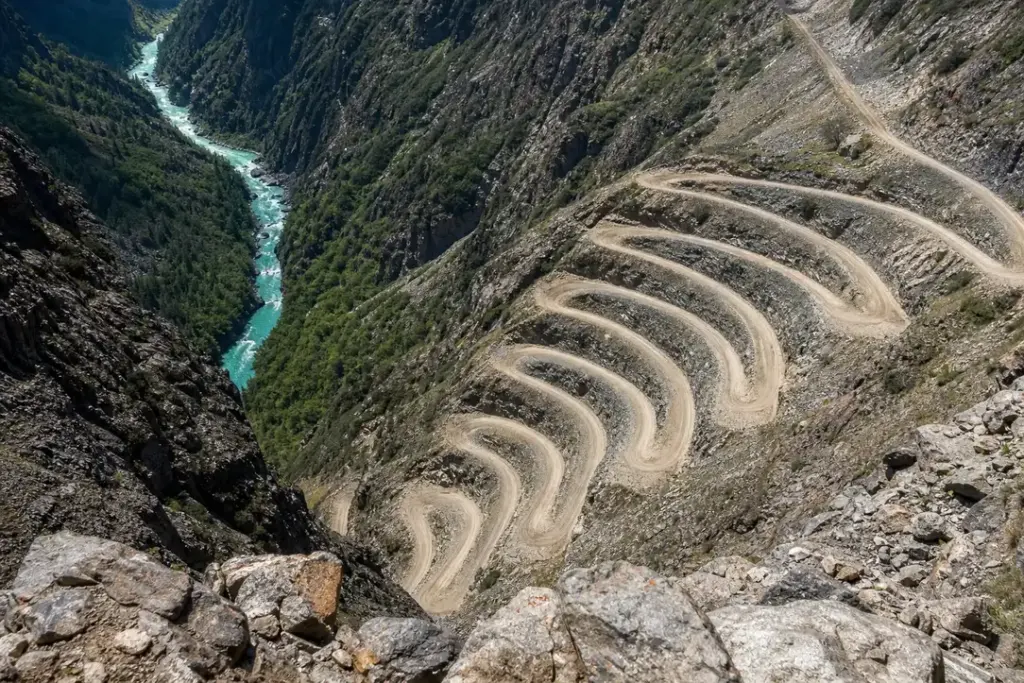
This guide covers the best scenic drives and mountain passes in the Altai Mountains for travelers seeking dramatic landscapes, challenging roads, and unforgettable views. Whether you’re driving the famous Chuysky Trakt through high passes or tackling the legendary serpentine descent of Katu-Yaryk, these routes reveal the raw beauty of Siberia’s most spectacular mountain range. The guide includes 10 essential drives and passes, from accessible two-lane highways to remote four-wheel-drive-only routes.
Most of these routes are best experienced in late spring through early autumn when snow clears from higher elevations and road conditions are safest. Many passes and drives are included in longer itineraries covering three to seven days across the Altai.
At a Glance
| # | Place | Best for | Good to know |
|---|---|---|---|
| 1 | Chuysky Trakt | Russia's most scenic highway | Altai Mountains; accessible by standard car year-round (weather permitting); check seasonal conditions before driving in winter |
| 2 | Katu-Yaryk Pass | Extreme serpentine descent | Ulagan district, southern Altai; four-wheel drive required for ascent, any car for descent; check road conditions after rain |
| 3 | Chulyshman Valley and Katu-Yaryk Pass Route | Multi-day remote valley drive | Southern Altai, Ulagan district; four-wheel drive essential; five to seven days; bring fuel, supplies and camping gear |
| 4 | Katun River Valley Scenic Drive | Alpine gorge and glacier views | Central-to-southern Altai; standard car acceptable in summer; best May through September |
| 5 | Teletskoye Lake Scenic Loop | Alpine lake and forest circuit | Southern Altai, Lake Teletskoye; standard car for main road, four-wheel drive recommended for rougher eastern sections; open May through October |
| 6 | Aktash and Altai Mars Day Trip | Colorful ridge geological formations | Eastern Altai, Aktash area; standard car acceptable; best July through September |
| 7 | Manzherok to Chemal Mountain Road | Valley and alpine meadow drive | Northern-to-central Altai; standard car acceptable; open May through October |
| 8 | Ulan-Daban High Pass | High-altitude mountain crossing | Southern Altai; four-wheel drive and expedition equipment required; July and August only |
| 9 | Lake Teletskoye Northern Shore Road | Remote cliff-side alpine drive | Northern Lake Teletskoye; standard car possible but four-wheel drive safer; open June through September |
| 10 | Belukha Base Camp Approach Road | Mount Belukha gateway drive | Ust-Koksinsky District, far southern Altai; four-wheel drive recommended for final approach; July through September only |
| 11 | Katun River Gorge Technical Drive | Narrow canyon with whitewater views | Central Altai, south of Chemal; standard car acceptable with careful driving; check conditions during spring melt (May-July) |
How We Chose
Entries were selected based on:
- Official route status and current accessibility information from Altai travel resources
- Scenic and photographic merit verified through regional tourism sources
- Vehicle requirements (two-wheel drive versus four-wheel drive routes) based on current road conditions
- Inclusion in major itineraries and travel guides to the Altai Mountains
- Safety and driving difficulty levels appropriate for the intended audience
1. Chuysky Trakt – Russia's most scenic highway
The main north-south highway through the Altai Mountains, connecting Novosibirsk to Mongolia. The road spans over 600 kilometers and crosses multiple mountain passes, offering constantly changing vistas of forested valleys, high plateaus, and river gorges. The drive takes 8–10 hours for the full distance but deserves multiple days to explore viewpoints and stops along the route. Winter snows can close sections in December through March.
Good to know: Altai Mountains; accessible by standard car year-round (weather permitting); check seasonal conditions before driving in winter
Tip: Stop at the Chuya-Katun Confluence viewpoint (kilometer marker 51 south of Chemal) to see two rivers of different colors meeting; this is a natural landmark impossible to miss on the drive.
2. Katu-Yaryk Pass – Extreme serpentine descent
A dramatic mountain pass descending 892 meters over 3.9 kilometers with nine sharp hairpin turns carved into a steep slope. Unlike typical passes with ascents and descents, Katu-Yaryk only descends into the Chulyshman Valley, offering a one-way experience with panoramic views of the river valley from a rocky observation deck. Built between 1989 and 1991, the pass remains unpaved with grades reaching 35 degrees. The observation deck at the top provides views considered among the finest in the Altai.
Good to know: Ulagan district, southern Altai; four-wheel drive required for ascent, any car for descent; check road conditions after rain
Tip: Descending is easier than ascending; if unsure of your vehicle's capability, drive down and arrange a cable tow-up from the valley floor, a service available at the bottom of the pass.
3. Chulyshman Valley and Katu-Yaryk Pass Route – Multi-day remote valley drive
A challenging multi-day drive through the Chulyshman Valley connecting the remote southern Teletskoye Lake area to the Ulagan Highlands via Katu-Yaryk Pass. The route combines high-altitude plateau driving with the extreme serpentine descent, passing through some of the least-visited wilderness in the Altai. This is a genuine backcountry experience with few services and limited mobile coverage. Suitable only for experienced drivers with four-wheel-drive vehicles and camping equipment.
Good to know: Southern Altai, Ulagan district; four-wheel drive essential; five to seven days; bring fuel, supplies and camping gear
Tip: Plan this drive for July and August when higher passes are snow-free; coordinate with local guides in Ulagan village before departure for current road conditions.
4. Katun River Valley Scenic Drive – Alpine gorge and glacier views
The drive along the Katun River Valley from Chemal toward the high Altai reveals steep gorges, rushing white water, and distant views of alpine peaks. The road follows the river valley at elevations between 600 and 1,100 meters, passing through dense forest, rocky outcrops, and occasional villages. This route serves as the main access to Mount Belukha trailheads and high-altitude lakes. The drive is steadily scenic rather than featuring a single dramatic pass, making it suitable for standard cars during the warmer months.
Good to know: Central-to-southern Altai; standard car acceptable in summer; best May through September
Tip: Time your drive to arrive at the Katun-Belki gorge section before noon to get sunlight on the canyon walls; early morning or late afternoon light can be dim in this narrow section.
5. Teletskoye Lake Scenic Loop – Alpine lake and forest circuit
A circular drive around Lake Teletskoye combining two-lane highway with rougher mountain road sections. The route visits several mountain communities, alpine viewpoints overlooking Russia's deepest mountain lake, and access points to boating tours. The western shore road features steep climbs with hairpin turns and panoramic lake views; the eastern shore offers calmer forest driving. The full circuit takes 4–5 hours of driving but rewards multiple stops for photos and exploration.
Good to know: Southern Altai, Lake Teletskoye; standard car for main road, four-wheel drive recommended for rougher eastern sections; open May through October
Tip: Start the loop on the western shore in early morning to have sunlight on the water for the most dramatic photographs; afternoon backlighting can wash out the view.
6. Aktash and Altai Mars Day Trip – Colorful ridge geological formations
A short drive to the Altai Mars landscape, featuring striped red, purple, and yellow rock formations created by ancient volcanic and mineral deposits. The area is accessible via a scenic drive across rolling plateaus and offers a stark contrast to the forested valleys elsewhere in the Altai. The colorful ridges are most vivid in morning light and serve as both a geological attraction and a photography destination. The drive from Gorno-Altaysk takes approximately 5–6 hours round trip.
Good to know: Eastern Altai, Aktash area; standard car acceptable; best July through September
Tip: Bring sunscreen and water; the ridges offer no shade and the high-altitude sun is intense, but the barren terrain provides unobstructed views and dramatic photographs.
7. Manzherok to Chemal Mountain Road – Valley and alpine meadow drive
A winding mountain road connecting the northern Altai town of Manzherok to Chemal, passing through alpine meadows, small lakes, and forest transitions. The road climbs to approximately 1,000 meters elevation with several scenic pullouts. This drive offers a medium difficulty level, accessible to standard cars but requiring careful driving on narrow sections. The route is quieter than the main Chuysky Trakt and passes through less-visited territory.
Good to know: Northern-to-central Altai; standard car acceptable; open May through October
Tip: In July, wildflower meadows along this route are at their peak; stop at the small lakes en route to walk short trails and photograph alpine vegetation.
8. Ulan-Daban High Pass – High-altitude mountain crossing
One of the primary high mountain passes in the southern Altai, located at 2,827 meters elevation. The pass connects remote valleys and is typically accessible only during mid-summer when snow has melted. The approach offers expansive views of alpine tundra and high mountain peaks. The pass is generally traversed only by organized expeditions or extremely experienced independent travelers with expedition-grade vehicles and weather monitoring.
Good to know: Southern Altai; four-wheel drive and expedition equipment required; July and August only
Tip: This pass is typically part of multi-week backcountry expeditions; consult with guides in Gorno-Altaysk before attempting independent travel, as weather and conditions change rapidly.
9. Lake Teletskoye Northern Shore Road – Remote cliff-side alpine drive
The least-developed shore of Lake Teletskoye features a narrow road with multiple tight curves, steep drop-offs, and expansive views across the water to distant peaks. This section is rougher than the western shore but offers a sense of exploration and solitude. The road passes through dense taiga forest and small mountain villages. Access via this route also provides entry to less-visited northern lake areas and trailheads. The drive is slower paced with more hairpin turns than the western shore.
Good to know: Northern Lake Teletskoye; standard car possible but four-wheel drive safer; open June through September
Tip: Do not attempt this drive in wet conditions or early in the season; the narrow road becomes treacherous on slick surfaces and recovery options are limited in remote sections.
10. Belukha Base Camp Approach Road – Mount Belukha gateway drive
The final approach road to base camps for Mount Belukha, the highest peak in the Altai at 4,506 meters and the highest mountain in Siberia, is itself a dramatic scenic route. The road gains elevation through increasingly sparse forest and alpine meadows, offering changing mountain vistas at every turn. The drive typically requires four-wheel drive in the final sections and is snowbound from October through May. This gateway provides access to major trekking and climbing routes in the high Altai.
Good to know: Ust-Koksinsky District, far southern Altai; four-wheel drive recommended for final approach; July through September only
Tip: Arrive early in the day to secure parking at base camp; the road becomes increasingly crowded by mid-afternoon in peak season, and vehicle traffic can be heavy on weekends.
11. Katun River Gorge Technical Drive – Narrow canyon with whitewater views
A particularly challenging section of the Katun Valley drive where the road narrows and winds tightly along the gorge between steep canyon walls and the rushing river. This section features several blind curves and requires alert driving, especially during high water season in June and July. The gorge is a geological showcase with visible rock strata and a palpable sense of confinement. The drive takes approximately 45 minutes for this section alone, despite covering only about 25 kilometers.
Good to know: Central Altai, south of Chemal; standard car acceptable with careful driving; check conditions during spring melt (May-July)
Tip: Drive defensively in this section—the road is narrow, curves are sharp, and oncoming traffic cannot see far ahead; hug the mountain side rather than the river side on blind turns.
Russia Vibes Tips
- Seasonal road closures are unpredictable in the Altai. Check with local authorities in Gorno-Altaysk or speak with your accommodation before driving high passes from September onward; early snow can close routes with minimal warning. Mountain passes are fully open and safe only from mid-June through August.
- Fuel stations are sparse on remote passes and mountain roads. Top up your tank in Gorno-Altaysk, Chemal, or Artybash before heading into remote areas; some remote sections have no services for 100+ kilometers.
- Mobile phone coverage is unreliable or absent on many mountain roads, especially at higher elevations and in valleys. Download offline maps before departure and inform someone of your route and expected arrival time.
- Vehicle breakdowns are serious on remote passes. Carry spare tires, basic tools, extra oil, water, and a hand pump or compressor. For four-wheel-drive routes, also carry recovery straps or rope. Many drives are too remote for quick towing.
- Start mountain drives early in the day. Weather can turn rapidly in the afternoon with sudden clouds, wind, or rain. Afternoon thunderstorms are common in July and August. Early starts also ensure you reach your destination before dark, when narrow mountain roads become significantly more dangerous.
- Wildlife is active on mountain roads, especially at dawn and dusk. Watch for deer, bears, and other animals, particularly on less-traveled routes. Slow down if you see fresh scat or tracks; collisions with large animals at speed are fatal for passengers and animals.
Explore Nearby Best Scenic Drives and Mountain Passes, Altai Mountains
Browse more: All Altai Mountains · All Guides · All Guides in Altai Mountains · All Viewpoints and Photo Spots
FAQ
Do I need four-wheel drive for all Altai mountain passes?
No. The main Chuysky Trakt and Katun Valley drives are accessible by standard cars in summer. Katu-Yaryk Pass requires four-wheel drive for ascending but any car can descend. Remote backcountry routes like the northern Lake Teletskoye road and Chulyshman Valley require four-wheel drive year-round. Check road conditions before departure.
When are mountain passes open and safely drivable?
Most passes are snow-free and safe from mid-June through August. The Chuysky Trakt can be driven year-round with caution and winter tires in cold months, but high passes like Ulan-Daban close completely from September through May. Spring roads are muddy and dangerous; fall brings early snow. For touring, plan drives between July and September.
Is Katu-Yaryk Pass really that dangerous?
Yes. The pass has steep 35-degree grades, nine hairpin turns, an unpaved surface, and no guardrails. Fatal accidents occur regularly. The pass is safely navigable in dry conditions with a capable four-wheel-drive vehicle and an alert, experienced driver. Wet conditions, mechanical failure, or driver error can be catastrophic. Insurance may not cover damage on extreme routes.
What is the best time of year to drive the Altai mountain roads?
July and August offer the most reliable conditions with snow gone from high passes, stable weather, and longer daylight hours. Late June can work for lower-elevation routes. September has pleasant temperatures but increasing rain and occasional early snow. June is muddy and dangerous; October brings heavy snow to high passes.
Can I drive these routes independently or should I hire a guide?
The main Chuysky Trakt and Katun Valley drives are safely doable independently for competent drivers. Remote four-wheel-drive routes like Chulyshman Valley and high passes like Ulan-Daban benefit greatly from local guides who know current conditions, have recovery equipment, and can navigate if landmarks are snow-covered. Guided expeditions are recommended for these challenging routes.
How long do these drives take?
The Chuysky Trakt takes 8–10 hours for the full route but deserves 2–3 days to stop and explore. Katu-Yaryk Pass is a 30-minute drive each way but usually a full-day excursion with viewing and photos. Katun Valley scenic sections take 2–4 hours. Chulyshman Valley and remote passes require 5–7 days. Plan extra time for bad roads, weather delays, and exploring.
What should I do if my car breaks down on a remote mountain pass?
Call for help immediately if you have cell coverage. If not, stay with your vehicle (it is visible and provides shelter). Place bright cloth on the antenna or door to signal passing vehicles. Carry water, food, and a first aid kit. For remote passes, traveling with other vehicles or a guide significantly increases chances of help. Prevention through vehicle maintenance and preparation is essential.
Are there tolls, permits, or fees to drive these mountain roads?
Most routes are free to drive. Some nature reserves require entry permits obtained in advance. The Katu-Yaryk Pass area may have informal parking or viewing fees at the observation deck. Check with local authorities in Gorno-Altaysk for current permit requirements and fees, which can change seasonally.
Russia Vibes is a one-person project. A coffee keeps it going
How we research and update our guides
About this guide: AI assistance and accuracy
This guide is created with the help of AI and is based on official sources where available. Mistakes can still happen. Opening hours, prices, rules and other details are given to the best of our knowledge as of the date shown and can change without notice. It offers general recommendations only, not professional, legal or travel advice. Please confirm important details with the official source before you travel; you are responsible for your own plans and decisions.
Packing for this trip
* Affiliate link: as an Amazon Associate we earn from qualifying purchases at no extra cost to you.

Take this guide with you
Get a free PDF of this guide to print or read offline: key facts, tips and a map link on a few clean pages.
Report an issue on this page
Paying for your trip: please read
International sanctions affect payments between Russia and many other countries. In practice, cards issued in the EU, the UK, the US and several other countries often do not work in Russia, Russian cards usually do not work abroad, and some booking platforms, airlines and payment providers limit or suspend their services for Russia. The situation changes frequently.
We do not give legal or financial advice, and this site does not encourage anyone to break or circumvent sanctions. Whatever you plan, you are responsible for following the laws and regulations that apply to you, including those of your country of residence and citizenship.
Many travelers still organise their stay lawfully. It is worth asking your bank or payment provider what is currently permitted, contacting hotels, tour operators and carriers directly about the payment methods they accept, and checking which services are open to customers from your country. Clarify payment, cancellation and refund terms before you commit to a booking, and keep your plans flexible.
Partner links on this site may not be available in every country, and prices, availability and rules in our guides can differ from what you see when you book.