
Updated
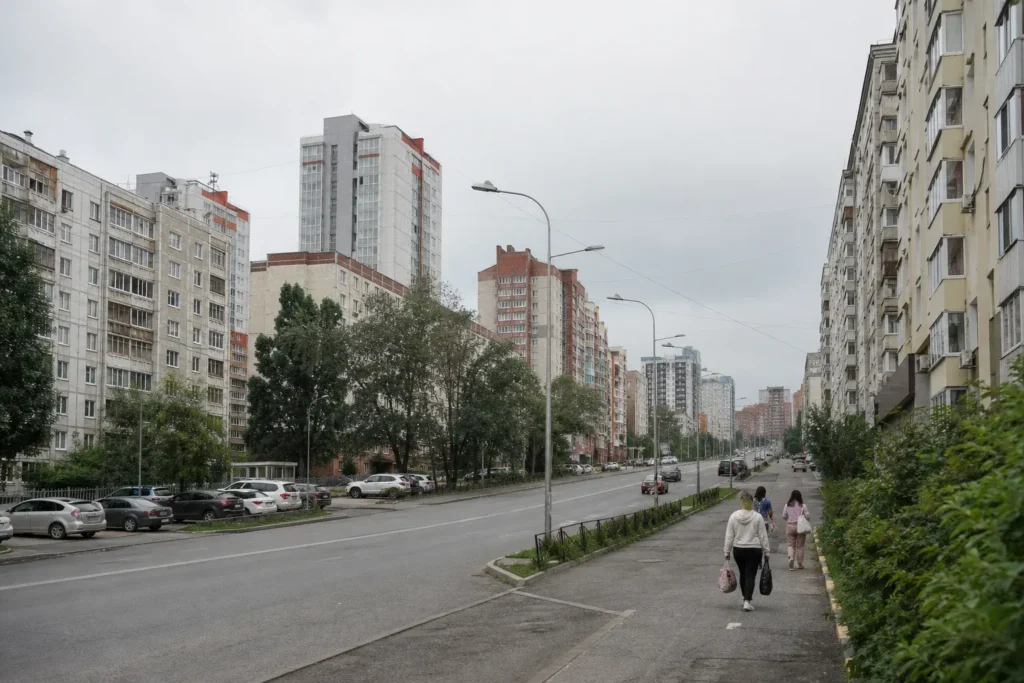
Pervorechensky (Первореченский) is one of five administrative districts that make up Vladivostok, Russia’s largest Pacific port city. Located in the northern section of the city, this primarily residential neighborhood takes its name from a stream that once defined the area.
Unlike the historic center or waterfront districts popular with tourists, Pervorechensky offers a look at everyday life in Russia’s Far East. The district consists largely of Soviet-era apartment blocks interspersed with newer residential developments, reflecting the city’s growth over recent decades. It is primarily a neighborhood where locals live and work rather than a destination for sightseeing.
Quick Facts
| Russian name | Первореченский |
|---|---|
| Address | OpenStreetMap · Google Maps |
| District | Vladivostok |
| Best time to visit | Pervorechensky, being primarily residential, can be visited year-round. Late spring through early autumn (May to September) offers the most pleasant weather for walking through the neighborhood, with temperatures ranging from mild to warm and less precipitation than winter months. |
Why Visit Pervorechensky, Vladivostok?
Pervorechensky is best suited for visitors interested in experiencing authentic residential Vladivostok away from tourist areas. The neighborhood provides insight into how ordinary residents live in Russia’s Far Eastern city. It can serve as a base for longer stays, offering more affordable accommodation options than central districts.
The area has local shops, cafes, and everyday services catering to residents. Those fascinated by Soviet urban planning and modern Russian residential architecture will find examples of both in this district’s streetscapes.
Atmosphere
Pervorechensky has the feel of a typical residential district in a major Russian city. Broad streets are lined with mid-rise apartment buildings, some dating from the Soviet period and others recently constructed. The pace of life is noticeably slower than in central Vladivostok, with less foot traffic and fewer crowds.
Daily activity centers around local shops, small markets, and neighborhood cafes that serve residents rather than tourists. In good weather, local parks provide gathering spaces. The district reveals the infrastructure and rhythms of city life that visitors rarely see in tourist-focused areas.
History of Pervorechensky, Vladivostok
Pervorechensky developed as Vladivostok itself expanded beyond its historic waterfront core. The district takes its name from a stream that flowed through the northern section of the city. As the city grew throughout the Soviet period, this area transformed from relatively undeveloped land into a major residential zone.
Like much of Vladivostok, the district received significant construction during the 1960s and 1970s as the Soviet Union invested in housing for workers and military personnel. These Soviet-era apartment complexes remain the architectural foundation of the neighborhood. More recent decades have seen continued development with newer residential and commercial buildings.
How to Get to Pervorechensky, Vladivostok
Pervorechensky district lies in the northern section of Vladivostok and is accessible by local public transport. Buses and marshrutkas (shared vans) connect the district to central Vladivostok and other parts of the city. Taxis and ride-hailing services are available for more direct routes.
The district does not have dedicated metro lines (Vladivostok has no metro system), but is served by bus routes that connect to the city center where the main railway station and other transport hubs are located.
Accessibility
No specific tourist facilities or specialized accessibility infrastructure is documented for this residential district. Visitors should be aware that older Soviet-era buildings may not have elevators or may have limited accessibility features. Sidewalks and streets vary in condition.
Food Nearby
The neighborhood has local cafes, small restaurants, and grocery stores that serve residents. These establishments cater to locals and offer a glimpse of everyday dining in Vladivostok rather than tourist-oriented venues. Specific establishment names and hours vary, so exploring on foot or asking locals for recommendations is advisable.
What to Bring
Standard clothing appropriate for the season. Vladivostok's Far Eastern location means cool, windy weather even in warmer months; a windbreaker is useful year-round. Winter (November to March) requires warm clothing, including heavy coat, hat, and gloves. Comfortable walking shoes suitable for various street conditions are recommended.
Photography Rules
No specific photography restrictions are documented for this residential district. Visitors should exercise normal courtesy when photographing residential buildings or local residents, as you would in any neighborhood. Always respect private property and obtain permission when photographing people.
Family Suitability
Pervorechensky is suitable for families interested in observing residential Russian city life, though it lacks specific attractions for children. The neighborhood has parks and green spaces where families can walk. The area is generally safe during daytime; parents should use normal precautions at night as in any urban area.
Russia Vibes Tips
- Visit during daylight hours to better observe neighborhood life and architecture. This is primarily a residential area with fewer street lights than central districts.
- Explore on foot to notice details of Soviet urban planning and newer residential developments. Local parks and side streets reveal more character than main thoroughfares.
- Bring small cash if planning to use local cafes or shops; not all neighborhood establishments accept cards. ATMs are available but may be less frequent than in central areas.
- Ask locals for restaurant and cafe recommendations; this district lacks English signage or tourist information, but residents are typically helpful.
- Do not expect English to be widely spoken; basic Russian phrases or a translation app are useful for navigating the neighborhood.
Explore Nearby Pervorechensky, Vladivostok
Related guides
 Vladivostok: Bridges, Eagle’s Nest and the Trans-Siberian End
Main image: AI-generated illustration. It may not show the place exactly as it looks.
 Victory Day, Vladivostok: Parades, Ceremonies and War Remembrance
Main image: AI-generated illustration. It may not show the place exactly as it looks.
 Primorsky Monsoon Festival: Vladivostok’s Waterfront Cultural Celebration
Main image: AI-generated illustration. It may not show the place exactly as it looks.
 Peter the Great Gulf Cup: Russia’s Premier Offshore Sailing Regatta
Main image: AI-generated illustration. It may not show the place exactly as it looks.
 International King Crab Festival, Vladivostok: Fresh Crab and Harvest Celebration
Main image: AI-generated illustration. It may not show the place exactly as it looks.
Browse more: More in Vladivostok · All Hidden Russia · All Neighborhoods · All Neighborhoods in Vladivostok · All Vladivostok
FAQ: Pervorechensky, Vladivostok
Is Pervorechensky a tourist destination?
No. Pervorechensky is a residential district serving Vladivostok's local population. It is not a tourist attraction but rather a neighborhood where everyday life unfolds. It may interest visitors studying Soviet urban architecture or wishing to experience non-tourist Vladivostok.
What can I see in Pervorechensky?
The district offers insight into residential Vladivostok: Soviet-era apartment complexes, newer residential buildings, local parks, and everyday shops and cafes. It is primarily about observing local urban life and architecture rather than visiting specific attractions.
Is it safe to visit Pervorechensky?
The neighborhood is generally safe for visitors, particularly during daytime. As in any residential area, normal urban precautions apply. Avoid walking alone in poorly lit areas at night. The district is less touristy but not unusually dangerous.
Where should I stay in Vladivostok instead?
Central Vladivostok or the Tsentralny District near Svetlanskaya Street offer more tourist amenities, restaurants, shops, and attractions. These areas have better access to museums, the waterfront, and cultural sites than Pervorechensky.
Does Vladivostok have a metro system?
No. Vladivostok has no metro system. The city is served by buses, marshrutkas (shared minivans), and taxis. Pervorechensky is connected to other parts of the city via bus routes.
How long should I spend in Pervorechensky?
A leisurely walk through the neighborhood takes 1-2 hours. Visitors interested in Soviet architecture or local life might spend longer. Most travelers visit briefly as part of exploring different parts of Vladivostok rather than as a primary destination.
What is Pervorechensky named after?
The district's name comes from a stream that flows through the northern section of Vladivostok. 'Pervorechensky' is derived from this waterway, which gave the area its identity and name.
Are there restaurants in Pervorechensky?
Yes, but they are local establishments serving residents rather than tourist venues. Small cafes and casual restaurants exist throughout the neighborhood. English menus or English-speaking staff are uncommon; exploring on foot or asking locals is the best approach.
Russia Vibes is a one-person project. A coffee keeps it going
How we research and update our guides
About this guide: AI assistance and accuracy
This guide is created with the help of AI and is based on official sources where available. Mistakes can still happen. Opening hours, prices, rules and other details are given to the best of our knowledge as of the date shown and can change without notice. It offers general recommendations only, not professional, legal or travel advice. Please confirm important details with the official source before you travel; you are responsible for your own plans and decisions.

Take this guide with you
Get a free PDF of this guide to print or read offline: key facts, tips and a map link on a few clean pages.
Report an issue on this page
Paying for your trip: please read
International sanctions affect payments between Russia and many other countries. In practice, cards issued in the EU, the UK, the US and several other countries often do not work in Russia, Russian cards usually do not work abroad, and some booking platforms, airlines and payment providers limit or suspend their services for Russia. The situation changes frequently.
We do not give legal or financial advice, and this site does not encourage anyone to break or circumvent sanctions. Whatever you plan, you are responsible for following the laws and regulations that apply to you, including those of your country of residence and citizenship.
Many travelers still organise their stay lawfully. It is worth asking your bank or payment provider what is currently permitted, contacting hotels, tour operators and carriers directly about the payment methods they accept, and checking which services are open to customers from your country. Clarify payment, cancellation and refund terms before you commit to a booking, and keep your plans flexible.
Partner links on this site may not be available in every country, and prices, availability and rules in our guides can differ from what you see when you book.