
Updated
Central Sochi (Tsentralny City District) is the beating heart of Russia’s most celebrated Black Sea resort. Covering just 30 square kilometers but home to over 135,000 residents, this compact district holds nearly all the attractions that draw international visitors: the palm-lined Riviera Park, the Sochi Arboretum’s century-old botanical gardens, St. Michael’s Cathedral, and the iconic Maritime Passenger Terminal that anchors the seafront.
The neighborhood stretches from the railway station inland through tree-lined streets to the mountains in the north, and west along the waterfront toward Khostinsky District. Most visitors spend their entire Sochi stay within these boundaries, walking between sights, taking short train rides to nearby attractions in Adler or Khosta, or simply lingering on the beach and embankment.
Quick Facts
| Russian name | Центральный район |
|---|---|
| Address | OpenStreetMap · Google Maps |
| District | Tsentralny |
| Best time to visit | May to September offers warm weather, calm seas, and full opening of parks and attractions. June to August sees peak visitor crowds, especially on beaches and at evening venues—prices rise and restaurants fill. Spring (April–May) and autumn (September–October) provide pleasant weather with fewer crowds. Winter (November–March) is cool and rainy, with many seasonal cafés and attractions operating on reduced hours or closing; however, it is quieter and cheaper. The summer season (July–August) brings intense crowds and traffic congestion. |
| Recommended duration | 2–3 days |
What Is (and Isn't) Part of a Visit to Central Sochi, Sochi?
| Part | Status | Notes |
|---|---|---|
| Riviera Park | Included in the standard ticket | Central Sochi's oldest public park; free entry, paid attractions inside. |
| Sochi Arboretum | Included in the standard ticket | Botanical garden within walking distance; separate admission required. |
| Maritime Passenger Terminal | Included in the standard ticket | Working cruise terminal; viewable from outside, tours may be available depending on ship schedules. |
| St. Michael's Cathedral | Included in the standard ticket | Open for services and occasional tours; check hours locally. |
| Sochi Art Museum | Separate ticket or institution | Located in central microdistrict; separate admission ticket required. |
| Olympic Park | Outside / not part of it | Located in Adler District, 25 km south of Central Sochi; requires separate day trip or train journey. |
| Beaches | Included in the standard ticket | The Black Sea shoreline runs along the southwest edge; public beach areas are free. |
Why Visit Central Sochi, Sochi?
Central Sochi offers the complete resort experience without sprawl. The Sochi Arboretum, opened in 1892, contains thousands of subtropical and exotic plants collected over more than a century. The Riviera Park—established in 1898—remains the main gathering place, with landscaped gardens, rides, cafés, and outdoor summer concerts on the Green Theatre stage. The Maritime Passenger Terminal, an architectural monument from 1955, sits dramatically at the seafront and remains a working cruise dock. Most restaurants, shops, and central hotels cluster here, making it easy to explore on foot.
How Central Sochi, Sochi Is Laid Out
The central district divides naturally into three zones. The railway station anchors the north, connected by Gorky Street (the main commercial artery) to the central microdistrict around Navaginskaya Street—a lively pedestrian zone lined with cafés, shops, and galleries that descends toward the sea. The embankment and beaches run along the southwest edge, where the Maritime Terminal rises as a landmark. Inland (east and north) lie the Sochi Arboretum and Riviera Park, separated by the Sochi River; visitors cross between them via bridges. The Zavokzalny microdistrict sits south of the railway line and is primarily residential, offering cheaper accommodation but fewer attractions. Most first-time visitors base themselves in or near the Central microdistrict, within walking distance of the main sights.
Highlights of Central Sochi, Sochi
Riviera Park
Sochi's oldest public park, founded in 1898, sits on a leafy slope above the sea. The park's centerpiece is the illuminated Green Theatre, which hosts summer concerts and open-air performances. Visitors find landscaped gardens with palms and flowers, vintage amusement rides, an oceanarium, cafés with sea views, and shaded benches for resting. The park is free to enter but attractions charge separately. It remains the social heart of central Sochi, especially in evening when locals and tourists promenade together.
Tip: Enter from the upper Riviera Square entrance (near the sculpture garden) rather than the lower embankment entrance to see the full layout. Visit late afternoon to secure a café table for sunset.
Sochi Arboretum (Dendrarium)
This terraced botanical garden, established in 1892, contains more than 6,000 species of plants from five continents, arranged on steep hillsides above the sea. Visitors walk shaded paths past exotic trees, palms, and flowering shrubs, with observation platforms offering sea views. The villa of 19th-century botanist Sergei Khludov anchors the upper section. Separate admission is required; allow 1.5 to 2 hours for a full circuit. A small train carries those who tire of the climb.
Tip: Wear comfortable walking shoes—the terrain is steep. Start at the upper entrance and descend, rather than climbing uphill. Visit between May and September for flowers in bloom.
Maritime Passenger Terminal
Built in 1955, this striking neoclassical building with columned porticoes and a central tower sits at the waterfront where Navaginskaya Street meets the embankment. It functions as a working cruise ship terminal, so the courtyard and approach offer views even if you don't board a ship. The architecture represents Soviet-era prestige and is a recognizable landmark throughout Sochi. Designated as a federal architectural monument, it anchors the emotional geography of the central waterfront.
Tip: Photograph from the embankment promenade or the lower Navaginskaya Street. Check schedule online if you want to see cruise ships in dock—typically more frequent in summer.
St. Michael's Cathedral
This small Neo-Byzantine cathedral, built between 1873 and 1891 to designs by architect Alexander Kaminsky, commemorates the end of the Caucasian War. The red-brick walls and decorative stonework are visible from many parts of central Sochi. An Archangel Column with a 7-meter bronze statue of Michael, erected in 2006, stands in the adjacent square. The cathedral occasionally hosts services and concerts. It is located inland from the waterfront, a short walk from the central microdistrict.
Tip: Visit early morning or late afternoon when light is soft and crowds sparse. The square is a peaceful spot amid the urban bustle.
Navaginskaya Pedestrian Street
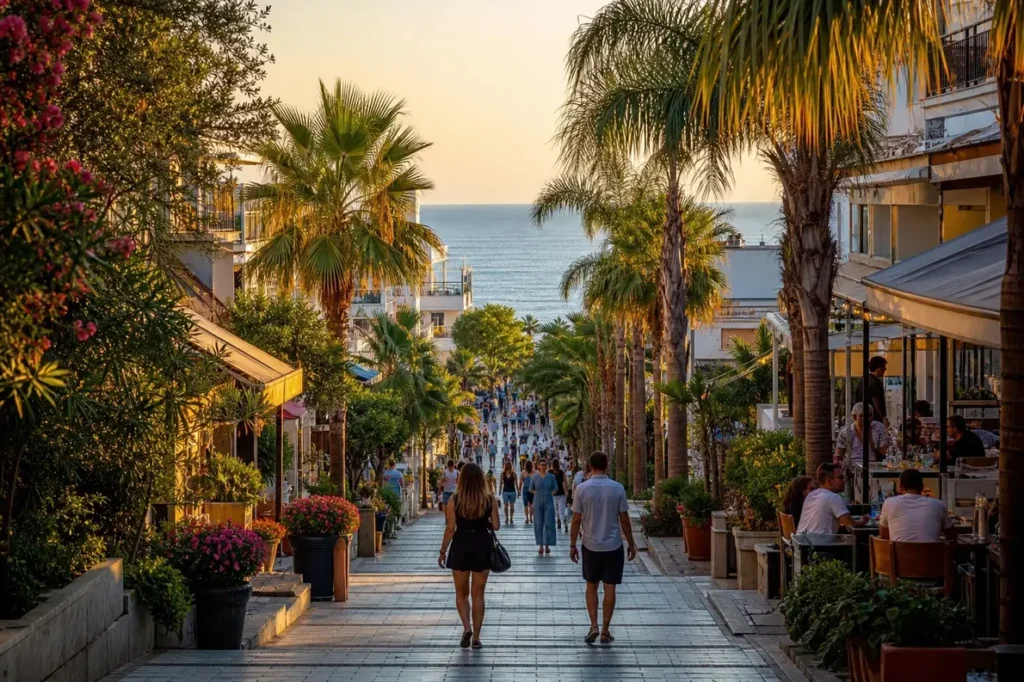
This tree-lined promenade stretches from the railway station area to the Maritime Terminal, forming the main commercial and social spine of central Sochi. Palm trees, fountains, flower beds, sculptures, and seating areas line the street. Shops, galleries, and cafés cluster on both sides. It's where locals and visitors mix, especially in evening. The street hosts performances by street musicians and performers. Flag Square, with its large fountain, sits near the embankment end.
Tip: Stroll here in early evening (around 18:00–20:00) to see the neighborhood at its liveliest. Many cafés offer good people-watching spots without requiring a meal purchase.
Sochi Art Museum
Located in a neoclassical building, this museum opened in 1936 and displays paintings by Russian masters including Aivazovsky, Polenov, and Shishkin, alongside works by contemporary artists. The collection represents 19th and 20th-century Russian art. Separate admission required. Allow 1–1.5 hours. The museum occupies a prominent corner in the central microdistrict.
Tip: Combine a visit with lunch at a nearby café—the museum's location makes it easy to fit into a walking itinerary.
The Singing Fountains (Winter Park)
Located in central Sochi near the Riviera, these illuminated fountain displays perform choreographed shows set to music, especially popular at dusk and evening during summer season. The fountains are free to view from the adjacent plaza. Several fountain pools create a focal point for evening strolls. The shows are a favorite with families and couples.
Tip: Check locally or with your hotel for current show times—they vary seasonally and may be limited in winter months.
Atmosphere
Central Sochi pulses with the rhythm of a Soviet-era resort transformed. By day, the embankment and beaches fill with families, swimmers, and sunbathers; the parks buzz with school groups and retirees. Navaginskaya Street thrums with shoppers and café-goers, street musicians play beneath the palms, and the smell of sea air mixes with coffee and grilled food. At dusk, the tempo slows: locals promenade on the embankment, couples stroll through Riviera Park as the fountains illuminate, and restaurants light up for evening service. In summer, the crowds intensify—traffic jams form, beaches overflow, and the nightlife extends past midnight. Winter (November to March) is quieter and cooler, with many seasonal cafés closing. The mix of nationalities grows each season, yet a distinctly Russian leisure culture persists—leisurely meals, social gathering in parks, and a preference for waterfront life.
History of Central Sochi, Sochi
Sochi emerged as a settlement in the 19th century after Russia’s victory in the Caucasian War (1763–1864). The city was formally founded as a resort in 1898, when the Riviera Park opened and the railway connection reached the Black Sea coast. The Maritime Passenger Terminal (1955) and St. Michael’s Cathedral (1873–1891) date to this early resort era. The Soviet period saw massive expansion—sanatoriums proliferated, the city became a destination for workers’ rest homes, and the subtropical gardens expanded. Central Sochi’s architecture reflects this layering: pre-Soviet neoclassical buildings stand alongside Soviet Constructivist and brutalist blocks. The 2014 Winter Olympics catalyzed further modernization, especially in Adler district to the south, but Central Sochi retained its walkable, historic character. Today the district balances heritage preservation with contemporary tourism infrastructure.
Legends and Myths about Central Sochi, Sochi
The Friendship Tree
Legend – historically unreliable. A single lemon tree planted in 1934 at the Botanical Garden inspired a Soviet-era cultural program: diplomats from visiting countries would graft branches onto the tree, symbolizing peace. The tradition created a living monument to international friendship during the Cold War. Though the original tree suffered damage over decades, new offshoots continue the practice, and visitors are still invited to leave a symbolic branch.
Tickets and Booking for Central Sochi, Sochi
| Ticket | Price | Includes |
|---|---|---|
| Sochi Arboretum admission | ₽₽ | Access to botanical garden, terraced paths, observation platforms, and train ride up the slope |
| Sochi Art Museum admission | ₽₽ | Exhibition halls with 19th and 20th-century Russian paintings |
| Riviera Park entrance | Free | Park grounds, landscaped areas, some viewing terraces; rides and attractions charged separately |
₽ budget · ₽₽ moderate · ₽₽₽ upscale · ₽₽₽₽ splurge. Price levels are estimates compared with typical prices for visitors.
Most attractions in Central Sochi do not require advance booking for casual visits. The Sochi Arboretum and Art Museum accept walk-in visitors during stated hours. No international visitor passes or combined tickets currently exist for Central Sochi—each attraction charges separately. Tickets are sold on-site or, in some cases, online via the official websites. Rates differ for Russian citizens and concessions; check individual attraction websites for current prices and categories. The railway station and bus terminals operate on separate transport systems with their own fares.
Plan and Book
Advertisement: these are partner links. If you book or buy through them, we may earn a commission at no extra cost to you.
Suggested itineraries Central Sochi, Sochi
Half day (3–4 hours)
Start at Navaginskaya Street near the railway station and walk downhill toward the sea. Stop at shops and cafés as you descend. Reach the Maritime Terminal and photograph the facade. Walk the embankment westward to Riviera Park, spend 1–2 hours strolling the park grounds and enjoying a café. Return via Navaginskaya Street for dinner.
Full day (6–8 hours)
Morning: Ride the small train up to the Sochi Arboretum, explore the terraced gardens and sea views (2 hours). Lunch at a café in the Arboretum or nearby. Afternoon: Walk back down to the central microdistrict, visit St. Michael's Cathedral, explore Navaginskaya Street shops and galleries (2–3 hours). Late afternoon: Relax in Riviera Park, watch the Singing Fountains (if operating). Evening: Dinner on the embankment, evening stroll.
Two days
Day 1: Arboretum, central microdistrict, Maritime Terminal, Riviera Park, and evening on Navaginskaya Street. Day 2: Art Museum, relaxed beach time, explore Zavokzalny microdistrict if interested in local residential areas, or take a day trip by train to Khosta (Yew-Boxwood Grove) or Adler (Olympic Park).
How to Get to Central Sochi, Sochi
Sochi Railway Station is the main arrival point in Central Sochi, located at Gorky Street 56. Visitors arriving by air land at Sochi International Airport (25 km south in Adler); trains run from the airport to Sochi Railway Station approximately every 30–60 minutes (journey ~30 minutes). From the railway station, the central microdistrict lies 10–15 minutes walk downhill via Gorky Street or Navaginskaya Street. Local buses run north–south and east–west; route 47K connects the station area to shopping malls. Taxis and ride-hailing cars are available at the station. No metro system operates in Sochi. For travel to nearby districts, commuter trains depart the railway station: to Khosta (15 minutes), to Adler Olympic Park (20–30 minutes), or westward to Lazarevskoe (45 minutes–1 hour).
Accessibility
Navaginskaya Street has level, smooth paving and is fully walkable. Riviera Park has uneven terrain with stairs and slopes—not fully wheelchair accessible, though main walkways are usable. The Sochi Arboretum's steep hillside terrain and numerous steps present significant access challenges; a small train runs partway up. The Art Museum building has level entry. Public beaches along the embankment are accessible via ramps in most locations. Public toilets are available in main parks and near the embankment. Accessible hotel accommodations exist in the central microdistrict; check with individual hotels about specific accessibility features.
Food Nearby
Central Sochi offers abundant dining options. Navaginskaya Street and the embankment promenade concentrate cafés, ranging from casual street food (shawarma, khachapuri) to sit-down restaurants serving Russian, Caucasian, Georgian, and international cuisine. Riviera Park has several cafés and ice-cream vendors. Small local markets and delis stock fresh produce, cheese, bread, and ready-made salads. Chain supermarkets are scattered throughout the district. Beach cafés offer fresh seafood and light fare during summer months. Most midrange restaurants accept card payments; cash is useful for street food and small vendors.
What to Bring
Sunscreen and a hat for beach and park time. Comfortable walking shoes for uneven terrain in the Arboretum and embankment. A light scarf or thin layer for evening (even in summer, the sea breeze cools the embankment after dark). Swimming clothes and a towel if planning beach time; public changing facilities exist but bring a plastic bag for wet items. A light rain jacket for sudden showers, particularly in spring and autumn. Bags are subject to security checks at parks and attractions; no restrictions on size, but avoid large luggage if planning to spend time in public spaces.
Best Views and Photo Spots of Central Sochi, Sochi
Maritime Passenger Terminal, lower embankment
The columned facade of the 1955 terminal rises against the sea. Photograph from the embankment promenade directly below or from the beach to capture the full neoclassical profile. Best for architectural detail and the contrast of white stonework against blue water.
Best time: Mid-morning (09:00–11:00) for front-facing light; late afternoon (17:00–19:00) for warm side-lighting on the columns.
Riviera Park, upper terrace
The landscaped gardens slope downward toward palms and the sea. Frame the composition with flowering plants or palm fronds in the foreground, sea in the background. This perspective shows the park's subtropical character and its integration into the urban setting.
Best time: Late afternoon (16:00–18:00) when shadows define the terraces and flowers glow. Summer (May–September) when flowering plants are in bloom.
Navaginskaya Street, looking toward the embankment
The palm-lined pedestrian street with sculptures, fountains, and the sea visible at the far end. This composition captures the social heart of central Sochi and the mix of leisure and commerce.
Best time: Early evening (18:00–20:00) when crowds are present, street lights are warming, and the atmosphere is most vibrant.
Arboretum observation platform, sea view
Elevated position looking down at the coast, with subtropical vegetation in the foreground and the Black Sea and distant mountains. This vantage shows Sochi's geography: mountains, dense vegetation, and narrow coastal strip.
Best time: Clear days with good visibility. Morning light emphasizes vegetation; afternoon provides sea sparkle.
Photography Rules
Photography is free and unrestricted in outdoor public areas, parks, and streets. The Maritime Terminal, parks, and embankment offer excellent subjects. No special permits are required for handheld cameras. Drones are not permitted in urban areas or over parks. Tripods may be restricted during crowded periods; check with site staff before setting up. Flash photography inside museums is typically prohibited; check on entry.
Family Suitability
Central Sochi is family-friendly overall. Riviera Park offers rides, games, and open space for children; beaches provide swimming and play areas. The Arboretum's steep terrain challenges families with very young children or strollers, though the small train eases this. Navaginskaya Street is safe and engaging for children with its street performers and public squares. The embankment promenade is flat and suitable for strollers. Most restaurants accommodate families, though high chairs are not universally available—confirm with venues. Be aware that summer crowds and heat (often over 30°C) make midday outing less comfortable for young children; early morning or late afternoon is preferable. The district has minimal pollution, green spaces, and family-oriented attractions.
Russia Vibes Tips
- Avoid the central microdistrict and embankment on weekends in July and August if you dislike intense crowds. Weekday mornings are quieter.
- The Sochi Arboretum is far more pleasant if you enter at the top (from Kurortny Prospekt) and descend, rather than entering at the bottom and climbing up. Ask a taxi driver or hotel staff for 'верхний вход' (upper entrance).
- Evening strolls on Navaginskaya Street and the embankment (18:00–21:00) are quintessential Sochi experience—cooler, more atmospheric, and socially lively. Save them for your visit.
- The Singing Fountains are free to watch from surrounding plazas; no ticket needed. They operate seasonally with limited schedules; ask at your hotel or check online before planning an evening around them.
- Book Arboretum and museum tickets online if available or arrive mid-morning when crowd risk is lowest. Both are less crowded on weekday mornings.
- Public transport (buses, trains) is cheap and reliable; taxis can be expensive and drivers may not use meters. Use Yandex Taxi or Uber if available. Walk whenever possible—central Sochi is compact and pedestrian-friendly.
Explore Nearby Central Sochi, Sochi
Related guides
 Sunny Sochi Hostel: Budget Rooms in the Heart of Central Sochi
Main image: AI-generated illustration. It may not show the place exactly as it looks.
 Mercure Sochi Centre: Beachfront Hotel in Downtown Sochi
Main image: AI-generated illustration. It may not show the place exactly as it looks.
 Cosmos Sochi Hotel: Central Location, Railway Station Access
Main image: AI-generated illustration. It may not show the place exactly as it looks.
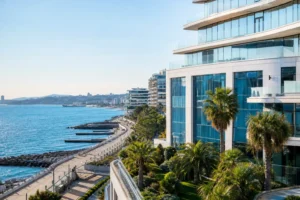 Pullman Sochi Centre: Luxury Beachfront Hotel in Central Sochi
Main image: AI-generated illustration. It may not show the place exactly as it looks.
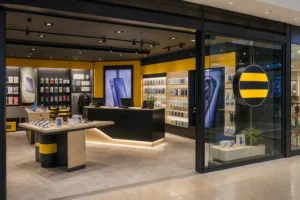 Beeline, Kaliningrad: Where to Buy SIM Cards and Phone Accessories
Main image: AI-generated illustration. It may not show the place exactly as it looks.
Browse more: More in Tsentralny · All Neighborhoods · All Neighborhoods · All Neighborhoods in Sochi · All Sochi
FAQ: Central Sochi, Sochi
Do I need to book tickets in advance for Riviera Park and the Arboretum?
No advance booking is typically required for casual daytime visits. Walk-in tickets are sold on-site. However, during peak summer season (July–August), arriving early (before 10:00 or after 16:00) reduces crowding. Some attractions offer online pre-booking; check their official websites.
Is there a metro system in Sochi?
No. Sochi has no metro. Transportation relies on buses, marshrutkas (minibuses), commuter trains, and taxis. The railway station and train lines connect Central Sochi to Adler, Khosta, and Lazarevskoe. Within Central Sochi, walking is the primary mode for tourists.
What's the difference between the Arboretum and Riviera Park?
The Sochi Arboretum is a botanical garden on steep hillside terrain with thousands of plant species, observation decks, and views. It requires paid admission. Riviera Park is a historic public park with landscaped grounds, rides, cafés, and entertainment—free to enter, though attractions and food cost extra. Both are popular but offer different experiences.
Can I swim safely in the Black Sea beaches here?
Yes, swimming is safe and common. Beaches are monitored, and sea conditions are generally calm in summer. Water temperature ranges from 11°C (winter) to 24–26°C (summer). Be aware of occasional strong currents. Check local conditions with your hotel or lifeguards before entering.
How do I get from the airport to Central Sochi?
The fastest option is the commuter train from Sochi Airport station (inside the airport terminal) to Sochi Railway Station in Central Sochi—approximately 30 minutes. Trains run every 30–60 minutes. Taxis are available but more expensive. Ask at the airport information desk for current schedules and fares.
Is Central Sochi the only area worth visiting?
Central Sochi is the main tourist hub, but other districts have unique attractions. Khosta (15 min by train) features the Yew-Boxwood Grove nature reserve and Mount Akhun. Adler (25 km south) hosts the Olympic Park, stadiums, and Sochi Park. Lazarevskoe is quieter and less developed. Most visitors base themselves in Central Sochi but take day trips to nearby areas.
What's the best time of year to visit?
May–June and September–October offer warm, pleasant weather with fewer crowds than July–August. Summer is hot (30°C+) and very busy, with crowds and traffic. Winter (November–March) is cool and rainy but quiet and cheap. Choose based on your preference for weather and crowds.
Are restaurants and cafés suitable for international visitors?
Yes. Central Sochi has abundant restaurants serving Russian, Georgian, Caucasian, Mediterranean, and international cuisine. Many staff speak basic English or Russian menus have translations. Prices range from cheap street food to upscale dining. Navaginskaya Street and the embankment concentrate dining options. Tipping is customary (10–15%) but not obligatory.
Russia Vibes is a one-person project. A coffee keeps it going
How we research and update our guides
About this guide: AI assistance and accuracy
This guide is created with the help of AI and is based on official sources where available. Mistakes can still happen. Opening hours, prices, rules and other details are given to the best of our knowledge as of the date shown and can change without notice. It offers general recommendations only, not professional, legal or travel advice. Please confirm important details with the official source before you travel; you are responsible for your own plans and decisions.

Take this guide with you
Get a free PDF of this guide to print or read offline: key facts, tips and a map link on a few clean pages.
Report an issue on this page
Paying for your trip: please read
International sanctions affect payments between Russia and many other countries. In practice, cards issued in the EU, the UK, the US and several other countries often do not work in Russia, Russian cards usually do not work abroad, and some booking platforms, airlines and payment providers limit or suspend their services for Russia. The situation changes frequently.
We do not give legal or financial advice, and this site does not encourage anyone to break or circumvent sanctions. Whatever you plan, you are responsible for following the laws and regulations that apply to you, including those of your country of residence and citizenship.
Many travelers still organise their stay lawfully. It is worth asking your bank or payment provider what is currently permitted, contacting hotels, tour operators and carriers directly about the payment methods they accept, and checking which services are open to customers from your country. Clarify payment, cancellation and refund terms before you commit to a booking, and keep your plans flexible.
Partner links on this site may not be available in every country, and prices, availability and rules in our guides can differ from what you see when you book.