
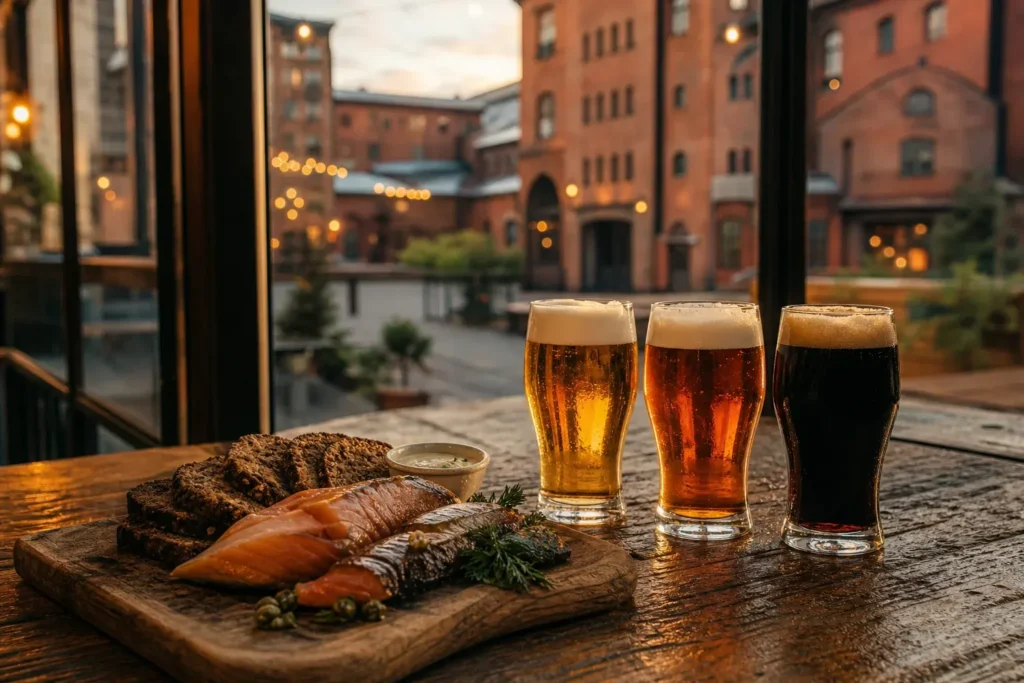
When you order a beer in Kaliningrad, you’re tasting centuries of German and Baltic brewing heritage. The city was a major beer capital when it was Königsberg, capital of East Prussia—breweries here shipped their product across Europe. Today, visitors can explore both restored historic brands and contemporary craft beers that continue the region’s beer-making legacy.
This guide covers what local beers to try, where to find them, and what makes Kaliningrad’s brewing tradition distinctive.
Quick answer: Kaliningrad beer encompasses multiple local and imported brands available in shops, restaurants, and specialized beer bars. Historic brands include Königsberg (named after the former city) and Ostmark, first brewed in 1910. Modern breweries and micro-breweries produce traditional lagers made from hops, barley and water, as well as craft variations with spices and seasonal recipes.
At a Glance
| Type | Alcoholic drinks |
|---|---|
| Local name | Пиво Калининграда |
| Origin | Kaliningrad (formerly Königsberg), East Prussia |
| Servings | 2-4 |
| Total time | About 20 minutes, plus 2 hours of chilling |
| Difficulty | Easy |
History and Story of Kaliningrad Beer
Kaliningrad was the capital city of East Prussia from the 13th century to 1946, when it was known as Königsberg. Beer was always a subject of pride in Königsberg, which was home to a few large breweries. It was not just the locals who appreciated Königsberg beer, which was considered some of the best in Europe and exports brought in significant revenue. The beer from the Ponart brewery, which is no longer functioning, was especially popular. Ostmark made its debut in 1910 and was originally brewed in Königsberg. After 1946, when the city became Kaliningrad under Soviet control, the brewing tradition continued but was interrupted for many decades. In recent years, historic brands have been revived and new micro-breweries have emerged, reconnecting the city to its beer heritage.
Ingredients
- 1.5 l pale lager, chilled to about 6-8 °C
- 0.5 l amber or red beer, chilled
- 0.5 l dark beer, lightly chilled
- 200 g smoked fish, thinly sliced
- 200 g dark rye bread, sliced
- 100 g salted nuts or plain pretzels
- 4 beer glasses, rinsed with cold water
How Kaliningrad Beer Is Made
Step 1: Visit a supermarket or beer shop
Local beers are widely available in supermarkets throughout Kaliningrad. Look for Ostmark (strong lager style), Königsberg (bottled locally), and German Recipe (lager with traditional style). Specialty beer shops stock a wider variety including imported craft beers and micro-brewery products.
Tip: Supermarkets often offer good value; quality beers can be found at budget prices.
Step 2: Try a modern micro-brewery
Kaliningrad has several craft beer bars and micro-breweries where you can sample beers made on-site. These often produce limited-edition seasonal styles and variations on traditional East Prussian recipes, some with added spices and experimental ingredients. Ask locals for current craft beer venues.
Tip: Pivovar and Craft Garage are known beer destinations, though venues may change.
Step 3: Visit a brewery with tours
Some Kaliningrad breweries offer tours showing the traditional beer-making process. These explain how modern breweries maintain historical recipes using hops, barley and water. Tours are not offered daily, so check ahead.
Tip: Brewery tours may be seasonal or require advance booking.
Step 4: Order at a restaurant or café
Beer is commonly served in restaurants and café bars throughout the city. Local draught beer is typically available alongside bottled brands. In traditional establishments, you may hear it called by its German name.
Tip: Larger restaurants often have multiple local options on tap or available cold.
Step 5: Explore the restored Königsberg brewery complex
The historic Königsberg brewery, built in 1839 and converted into a cultural centre in recent years, now serves as a hub for beer distribution and heritage. The Ponart brand—a historic brewery product especially popular in the 19th and early 20th centuries—is brewed again to traditional recipes and sold through outlets near the brewery complex.
Tip: The restored brewery complex is worth visiting for its architecture and beer heritage, even if not all areas are open to casual visitors.
Variants
- Königsberg – modern beer named after the city's historical identity, sold in bottles
- Ostmark – strong lager style (approximately 7% alcohol), originally from 1910, revived in recent decades
- German Recipe – traditional-style lager brewed in Kaliningrad, made with hops, barley and water
- Craft micro-brewery beers – contemporary styles including Czech-style pilsners, wheaten beers, dark lagers and seasonal specials often with spices
- Ponart – historic brand now brewed to traditional recipes at the restored Königsberg brewery complex
Common Mistakes to Avoid
- Assuming all local beer is made in Kaliningrad today. While historic brands like Ponart and Königsberg have deep roots, some are now brewed elsewhere or under license. Check the label to learn where the beer was actually produced.
- Missing the difference between historic brands and modern craft products. Ostmark (1910) and Königsberg represent the old tradition; micro-breweries offer contemporary interpretations. Both have value—they're not competitors.
- Trying only mainstream Russian brands. Kaliningrad has unique local styles unavailable elsewhere in Russia. Seek out Kaliningrad-specific brews rather than national brands.
- Visiting only chain supermarkets. Specialty beer shops in Kaliningrad stock varieties you won't find in standard stores, including rare imports and locally produced craft beers.
How to Order and Eat It
You can try traditional Königsberg beer made solely from hops, barley and water, as well as stronger drinks with added spices. Beer is served cold in glasses or straight from the bottle. In restaurants and beer bars, it’s offered on tap or bottled. Local tradition is to enjoy beer as an accompaniment to meat, fish, potatoes and other hearty East Prussian foods.
To order: Пиво, пожалуйста [Pivo, pozhaluysta]
Diet and Allergens
- Contains alcohol
- Typically contains gluten (barley malt, sometimes wheat)
- Unfiltered beers may be cloudy and contain yeast
Contains alcohol. Please drink responsibly and follow local rules.
Russia Vibes Tips
- Modern micro-breweries offer not only traditional Königsberg beer made solely from hops, barley and water, but also stronger drinks with added spices. Some breweries offer special tours, where they explain the process of making beer in Kaliningrad.
- Kaliningrad's beer heritage is so strong that the city's oldest breweries have been restored as cultural centres. Visiting these buildings gives context to the beer tradition even if you're not purchasing.
- The name "Königsberg" on a beer bottle is a deliberate reference to the city's German past—a sign that Kaliningrad is reclaiming its brewing heritage openly.
- If you want to understand the historical depth of beer in this region, ask locals about Schmeckbier—a legendary ceremonial beer once given to citizens on Ascension Day, a tradition dating back to medieval times.
- Visit craft beer bars during evening hours to meet locals and other travellers; these venues often have knowledgeable staff who can recommend beers and explain the brewing traditions.
Explore Nearby Kaliningrad Beer
Browse more: All Food & Drink · All Other
FAQ
Is Kaliningrad beer the same as Russian beer?
No. Kaliningrad beer reflects East Prussian and Baltic traditions from when the city was Königsberg. The brewing methods, ingredients and styles differ from mainstream Russian beer. While some brands are now part of Russian brewery groups, local Kaliningrad beers are distinct products with their own heritage.
Can you still find Ponart beer in Kaliningrad?
The beer from the Ponart brewery, which is no longer functioning, was especially popular. However, the Ponart brand has been revived and is brewed again to traditional recipes at the restored Königsberg brewery complex, sold through outlets in the city.
What is Königsberg beer?
Germans built a brewery there and produce beer trademarked "Königsberg." This is a modern beer named after the city's historical German name, bottled and sold as a local brand representing Kaliningrad's brewing identity.
Where can I buy local Kaliningrad beer?
Kaliningrad beers are available in supermarkets, specialty beer shops, and restaurants throughout the city. For the widest selection of craft and historic brands, visit specialist beer shops or the restored Königsberg brewery complex area.
Are brewery tours available?
Some breweries offer special tours, where they explain the process of making beer in Kaliningrad. Tours may be seasonal or require advance booking—ask at your accommodation or a visitor information centre.
What makes Kaliningrad beer different from other Russian beers?
Over the past seven centuries, the city has absorbed the traditions of German, Russian and Baltic cuisine. The brewing tradition specifically reflects East Prussian methods and recipes, using traditional hops and barley. Traditional Königsberg beer is made solely from hops, barley and water, but also stronger drinks with added spices are available.
Is beer from Kaliningrad exported?
Königsberg beer was considered some of the best in Europe and exports brought in significant revenue. Historically, yes. Today, some brands like Prussia Bier are brewed partly in Kaliningrad and partly abroad, maintaining the historical tradition of exporting.
What should I try if I'm visiting Kaliningrad for beer?
Try Ostmark (historic strong lager), German Recipe (traditional style), and Königsberg (modern beer with historical name). Then visit a craft beer bar to sample micro-brewery products. Ask locals for current recommendations as venues and available beers change seasonally.
Russia Vibes is a one-person project. A coffee keeps it going
How we research and update our guides
About this guide: AI assistance and accuracy
This guide is created with the help of AI and is based on official sources where available. Mistakes can still happen. Opening hours, prices, rules and other details are given to the best of our knowledge as of the date shown and can change without notice. It offers general recommendations only, not professional, legal or travel advice. Please confirm important details with the official source before you travel; you are responsible for your own plans and decisions.

Take this guide with you
Get a free PDF of this guide to print or read offline: key facts, tips and a map link on a few clean pages.
Report an issue on this page
Paying for your trip: please read
International sanctions affect payments between Russia and many other countries. In practice, cards issued in the EU, the UK, the US and several other countries often do not work in Russia, Russian cards usually do not work abroad, and some booking platforms, airlines and payment providers limit or suspend their services for Russia. The situation changes frequently.
We do not give legal or financial advice, and this site does not encourage anyone to break or circumvent sanctions. Whatever you plan, you are responsible for following the laws and regulations that apply to you, including those of your country of residence and citizenship.
Many travelers still organise their stay lawfully. It is worth asking your bank or payment provider what is currently permitted, contacting hotels, tour operators and carriers directly about the payment methods they accept, and checking which services are open to customers from your country. Clarify payment, cancellation and refund terms before you commit to a booking, and keep your plans flexible.
Partner links on this site may not be available in every country, and prices, availability and rules in our guides can differ from what you see when you book.