
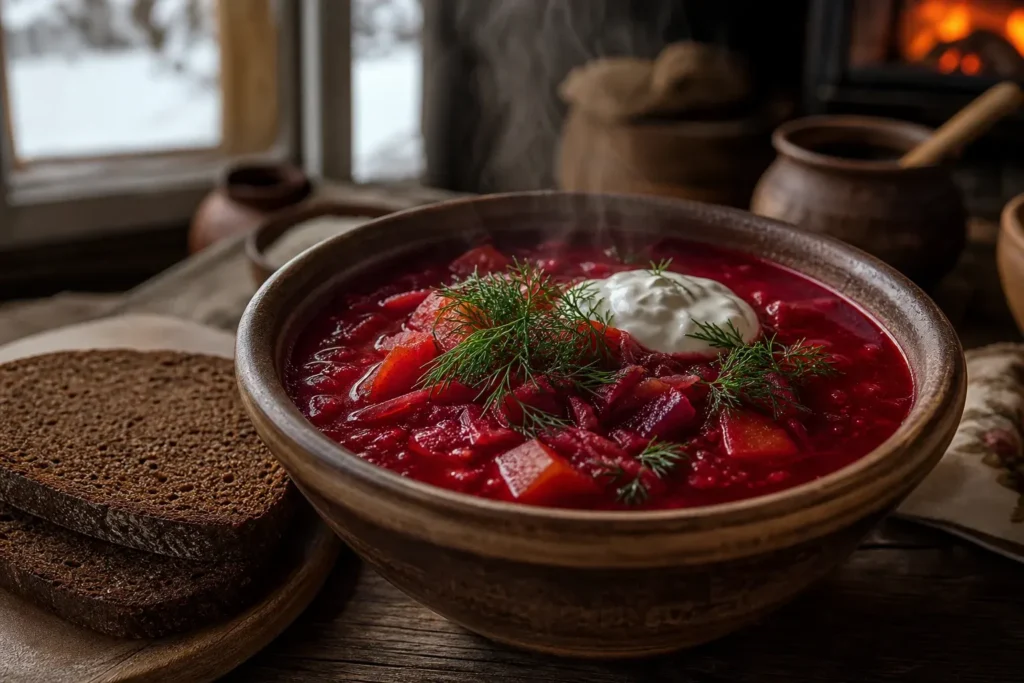
Borscht is one of the dishes you’ll encounter everywhere in Saint Petersburg, from casual cafés to fine dining. This article shows you how to make it at home, with the core technique that separates good borscht from forgettable versions. Whether you want the traditional meatier version or a lighter rendition, the fundamental approach remains the same: careful layering of flavors, starting with long-cooked broth and building the beet sweetness gradually.
The recommended approach takes about two to two-and-a-half hours, including preparation and simmering time. Unlike quick soup recipes, borscht rewards patience—the longer broth and vegetables cook together, the deeper the flavor.
Quick answer: Build a rich meat broth first, then sauté beets and other vegetables separately before combining. Layer in cabbage, potatoes, and tomatoes at staggered intervals so each ingredient reaches the right texture at the same time. Finish with vinegar and sugar to balance sweetness and tang. Serve hot with a dollop of sour cream and fresh dill. Total time: 2–2.5 hours. Cost: ₽₽
At a Glance
| Type | Dishes |
|---|---|
| Local name | Борщ |
| Origin | Borscht comes from Ukraine, where it's the national dish, though it's loved across Russia and much of Eastern Europe. Borscht was probably first made in what is now Ukraine, somewhere between the fifth and ninth centuries, as a simple broth cooked from cow-parsnips. Ukrainians began incorporating beets into the recipe in the 16th century, which were affordable, nutritious, and added a sweet taste and vibrant color. Borscht became one of the most popular dishes in Russia centuries ago. |
| Servings | 2–4 servings |
| Total time | 2–2.5 hours |
| Difficulty | Medium |
History and Story of Borscht, Saint Petersburg
Historical records suggest that borscht may date back to the 14th century, when it was commonly prepared with wild plants, especially a herb called hogweed. Over time, beetroot became the main ingredient, giving the dish its characteristic color and sweetness. Borscht evolved as a staple food, especially in rural Ukraine, where people relied on hearty, easily accessible ingredients like beets, potatoes, cabbage, and whatever meat or bones were available for added richness. It was a practical, nutritious dish that could feed large families. This new version of borscht quickly spread to neighboring regions and eventually became a cornerstone of local cuisine. As borscht traveled across borders and through generations, it absorbed local flavors and ingredients, becoming the diverse and beloved dish known today.
Ingredients
- 500–600 g beef (chuck, shank or soup bones with meat)
- 150 g red beetroot
- 150 g green or red cabbage
- 2 medium potatoes
- 1 carrot
- 1 medium onion
- 2 tbsp tomato paste or 100 g fresh tomatoes
- 1 tbsp white vinegar or to taste
- 1 tsp sugar or to taste
- 2 tbsp vegetable oil
- 1 litre beef or chicken broth
- 2–3 fresh dill sprigs or 1 tsp dried dill
- Salt and black pepper to taste
- Sour cream for serving
How Borscht, Saint Petersburg Is Made
Step 1: Prepare the meat broth
Cut the beef into chunks, or use beef bones with meat attached. Place in a large pot and cover with broth. Bring to a boil, then reduce heat and simmer for 45–60 minutes until the meat is tender. Skim foam from the surface as it rises. Season with salt and black pepper. Strain the broth into a clean pot, reserving the cooked meat; discard any bones. Cut the cooked meat into bite-sized pieces and set aside.
Tip: Using soup bones or chuck cuts produces a richer, more flavorful broth than lean cuts. Don't rush this stage—proper simmering time builds depth.
Step 2: Prepare the vegetables
Peel and grate the beetroot on a box grater (use the large holes). Peel and grate the carrot separately. Dice the onion into small pieces. Shred the cabbage. Cut potatoes into small cubes or thin slices. Have all prepared and ready before you begin cooking.
Tip: Grate beets just before cooking; they discolor quickly when exposed to air. Wear an apron or gloves—beet juice stains persistently.
Step 3: Build the beetroot base
Heat the vegetable oil in a large heavy-bottomed pot over medium heat. Add the diced onion and cook for 3–4 minutes until softened and lightly golden. Add the grated beetroot and grated carrot, then stir well. Cook for 8–10 minutes, stirring frequently. The beetroot should deepen in color and soften slightly. Add tomato paste and stir to combine; cook for another 2 minutes until fragrant.
Tip: This slow sautéing of beets is the secret to balanced flavor—it brings out their natural sweetness without overwhelming the soup.
Step 4: Build the soup
Pour the reserved broth into the pot with the beetroot mixture. Bring to a simmer, then add the diced potatoes. Simmer for 10–12 minutes until potatoes are almost tender but still hold their shape. Add the shredded cabbage and return to a simmer. Cook for another 8–10 minutes until the cabbage is soft and the potatoes are fully cooked.
Tip: Adding potatoes before cabbage allows them to absorb flavor as they soften; if both went in together, cabbage would overcook.
Step 5: Season and finish
Return the cooked meat pieces to the pot. Add the vinegar (start with 1 tablespoon, you can always add more). Add the sugar (start with 1 teaspoon). Stir well and taste. The soup should have a gentle tang and sweetness in balance; adjust vinegar and sugar to your preference. Add fresh or dried dill, stir once more, and simmer for 1–2 minutes to let flavors settle.
Tip: Taste before serving, not as you cook. Vinegar and sugar balance evolves as the soup cools slightly. Some prefer a tangier version, others sweeter—adjust to your taste.
Step 6: Serve
Ladle hot borscht into bowls. Top each serving with a generous spoonful of sour cream. Add a small pinch of fresh dill if available. Serve immediately with dark rye bread or black bread on the side.
Tip: Stir the sour cream into the soup just before eating—it cools it slightly and adds richness. Many in Russia serve borscht with pampushki (small savory buns).
Variants
- Vegetarian borscht: Omit meat entirely and use vegetable broth instead of beef broth. Proceed with the same method. This version is also popular in Russia.
- Cold borscht (summer version): Prepare the full recipe, then chill completely. Serve in bowls with additional sour cream, sliced cucumber, and hard-boiled egg. More common in summer months.
- Borscht with mushrooms: Add 150–200 g sliced mushrooms (typically white button or porcini) sautéed with the beetroot base. Popular in some regional versions.
- Clearer borscht: Some recipes strain the soup through fine mesh after cooking for a cleaner, less chunky appearance, though the hearty version with whole vegetables is more traditional.
- Russian versus Ukrainian borscht: Ukrainian borscht typically features beets, cabbage, potatoes, and fresh dill, while Russian versions often vary in ingredients and may place less emphasis on beets. Russian versions sometimes include fewer vegetables or omit meat more often.
Common Mistakes to Avoid
- Rushing the broth stage: Short, fast-boiled broth tastes thin and lacks depth. The full 45–60 minutes of simmering is essential for flavor.
- Skipping the beetroot sauté: Throwing raw grated beets directly into broth creates a muddy, unbalanced flavor. Sautéing them first concentrates their sweetness.
- Adding all vegetables at once: This leads to some vegetables turning to mush while others stay hard. Stagger potatoes, then cabbage, for even texture.
- Over-vinegaring: A common mistake is adding too much vinegar too early. Start small and taste at the end; it's easier to add than remove.
- Not using sour cream as garnish: Sour cream isn't optional—it's integral to the flavor and texture. It softens the earthiness and adds brightness.
- Confusing borscht with beet borscht salad: Cold borscht (served in summer) is a different, lighter soup. This recipe is the classic hot version served year-round.
How to Order and Eat It
People can eat borscht hot or cold, depending on the time of year. Traditional borscht is served with a tablespoon, or more, of sour cream and small savory buns known as pampushki. In Saint Petersburg, you’ll find it served in restaurants with dark rye or black bread, which soaks up the flavorful broth. The custom is to stir sour cream into the soup just before eating—it should be visible as a white swirl on the surface. Eat it slowly with a spoon, tasting each component: the beet sweetness, the tender vegetables, the rich broth, and the cooling effect of the sour cream.
To order: Борщ со сметаной [Borscht so smetanoy]
Diet and Allergens
- Contains beef
- Typically contains gluten in traditional bread served alongside
- Dairy (sour cream served as garnish)
Where to Try Borscht, Saint Petersburg
Kaliningrad
 Steindamm 99, Kaliningrad Russian and regional Kaliningrad cuisine
Main image: AI-generated illustration. It may not show the place exactly as it looks.
 Korchma Borsch & Salo, Kaliningrad Ukrainian
Main image: AI-generated illustration. It may not show the place exactly as it looks.
Nizhny Novgorod
 BaklaDzhan, Nizhny Novgorod Georgian, Armenian, Lebanese
Main image: AI-generated illustration. It may not show the place exactly as it looks.
Saint Petersburg
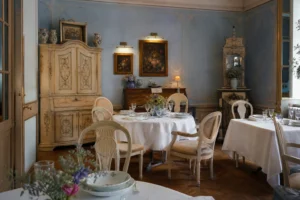 Gogol, Saint Petersburg Traditional Russian cuisine, nineteenth-century-inspired Russian cooking, Russian home-style dishes and selected European-influenced classics
Main image: AI-generated illustration. It may not show the place exactly as it looks.
Sochi
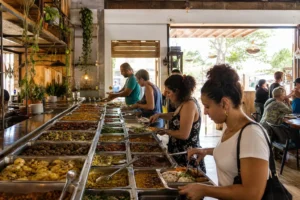 Red-Buffet, Sochi Mixed (European, Russian, Caucasian, Asian, vegetarian)
Main image: AI-generated illustration. It may not show the place exactly as it looks.
Yekaterinburg
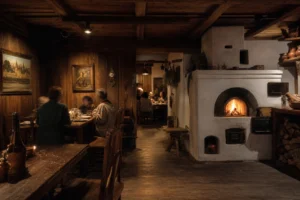 Malinovka, Yekaterinburg Russian, Ukrainian, Mexican
Main image: AI-generated illustration. It may not show the place exactly as it looks.
 Beefstroganoff Grill, Yekaterinburg Russian, Grill, Steakhouse, Seafood
Main image: AI-generated illustration. It may not show the place exactly as it looks.
Russia Vibes Tips
- Borscht tastes even better the next day after flavors have settled. Make it ahead and reheat gently over low heat without boiling. It keeps refrigerated for 3–4 days and freezes well for up to two months.
- The color signals readiness: good borscht is a deep ruby or burgundy, never pale pink or muddy. If your soup looks pale, you may have used white or golden beets instead of red ones, or the vegetables didn't cook long enough.
- Many restaurants in Saint Petersburg add a tiny pinch of sugar at the table for those who prefer it sweeter. Don't be shy about adjusting the balance to your taste—borscht is personal, and there's no single 'correct' version.
- Some cooks add a pinch of ground coriander or allspice at the end for warmth and depth. This is optional but traditional in some regions. Add sparingly—a quarter teaspoon in a full pot.
- If you see beet kvass (fermented beet juice) in a Russian shop, a spoonful stirred in at the very end adds authentic tang and complexity. It's not essential, but it's traditional in Ukrainian versions.
Explore Nearby Borscht, Saint Petersburg
Sights near Borscht, Saint Petersburg
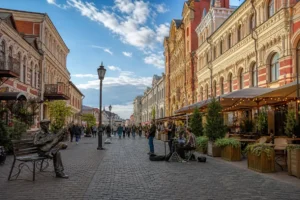 Bolshaya Pokrovskaya Street, Nizhny Novgorod · typical visit: 1.5–2 hoursOpen 24 hours
Main image: AI-generated illustration. It may not show the place exactly as it looks.
Related guides
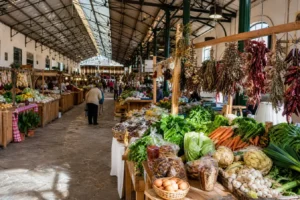 Local Food & Market Walk, Yekaterinburg: Central Market, Pelmeni and Street Eats
Main image: AI-generated illustration. It may not show the place exactly as it looks.
Browse more: All Food & Drink · All Food & Drink in Saint Petersburg · All Other · All Saint Petersburg
FAQ
Is borscht Ukrainian or Russian?
Borscht comes from Ukraine, where it's the national dish, though it's loved across Russia and much of Eastern Europe. Although borscht soup is of Ukrainian origin, it has found a second home in Russia, alongside other Eastern European countries. Russians have eaten it for centuries and consider it part of their culinary tradition, but the dish is fundamentally Ukrainian in origin.
Can I make borscht without meat?
Yes. Meat is sometimes included, but Russian borscht is also commonly made as a vegetarian soup. Use vegetable broth instead of beef broth and follow the same steps. The flavor will be lighter but still delicious. Some vegetarian versions add extra dill or a small amount of mushrooms for umami depth.
What is the difference between hot borscht and cold borscht?
People can eat borscht hot or cold, depending on the time of year. Hot borscht is the year-round classic served in restaurants—hearty, warming, and full-bodied. Cold borscht (common in summer) is lighter, often thinner, and sometimes includes cucumber or hard-boiled egg. Both are legitimate versions; the hot version is what you'll find in Saint Petersburg in most seasons.
Why is my borscht pale instead of deep red?
The color comes entirely from red beets. Check that you're using red or purple beets, not white or golden varieties. Also, the deeper color develops through proper cooking—if you rush the process or don't sauté the beets long enough before adding broth, the color will be pale. The beets need time to release their pigment.
Should I peel beets before or after cooking?
This recipe calls for peeling before grating. Some cooks peel after boiling (which can reduce vitamin loss), but for this method, peel first, then grate, then sauté. The peeling doesn't affect the final flavor significantly—use whichever method you're comfortable with.
What is smetana and can I use regular sour cream?
Smetana is Russian/Eastern European sour cream, typically richer and slightly tangier than American sour cream. Regular sour cream works fine as a substitute. Greek yogurt is less traditional but also acceptable. The key is something cool and slightly acidic to contrast with the warm, earthy soup.
How much vinegar should I add?
Start with 1 tablespoon of white vinegar and taste. Russian borscht might use a small amount of vinegar for acidity, or it might skip the sour note entirely. Add more gradually if you prefer a tangier soup. Some people use lemon juice instead. There's no single correct amount—it depends on personal preference and the acidity of your broth.
Can I use canned or frozen beets?
Canned beets work in a pinch, though the flavor is less bright. Avoid pickled beets, which add unwanted acidity. Frozen beets are acceptable. If using either, reduce the cooking time by 10–15 minutes since they're already partially softened. Fresh beets produce the best flavor and the most beautiful color.
Russia Vibes is a one-person project. A coffee keeps it going
How we research and update our guides
About this guide: AI assistance and accuracy
This guide is created with the help of AI and is based on official sources where available. Mistakes can still happen. Opening hours, prices, rules and other details are given to the best of our knowledge as of the date shown and can change without notice. It offers general recommendations only, not professional, legal or travel advice. Please confirm important details with the official source before you travel; you are responsible for your own plans and decisions.

Take this guide with you
Get a free PDF of this guide to print or read offline: key facts, tips and a map link on a few clean pages.
Report an issue on this page
Paying for your trip: please read
International sanctions affect payments between Russia and many other countries. In practice, cards issued in the EU, the UK, the US and several other countries often do not work in Russia, Russian cards usually do not work abroad, and some booking platforms, airlines and payment providers limit or suspend their services for Russia. The situation changes frequently.
We do not give legal or financial advice, and this site does not encourage anyone to break or circumvent sanctions. Whatever you plan, you are responsible for following the laws and regulations that apply to you, including those of your country of residence and citizenship.
Many travelers still organise their stay lawfully. It is worth asking your bank or payment provider what is currently permitted, contacting hotels, tour operators and carriers directly about the payment methods they accept, and checking which services are open to customers from your country. Clarify payment, cancellation and refund terms before you commit to a booking, and keep your plans flexible.
Partner links on this site may not be available in every country, and prices, availability and rules in our guides can differ from what you see when you book.