
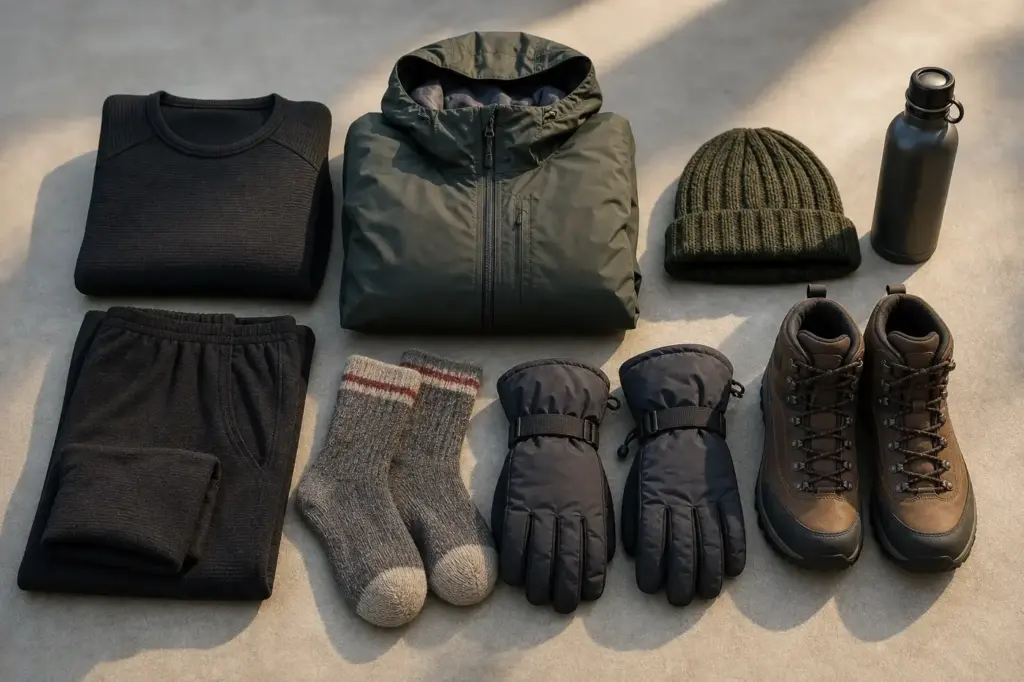
Lake Baikal‘s location in southern Siberia creates a unique climate where planning what to bring is essential for your comfort and safety. Whether visiting in summer’s brief warmth or winter’s crystalline freeze, visitors must prepare for conditions that shift dramatically within hours. This guide explains what to pack for each season so you can enjoy hiking, swimming, ice activities, or simply standing in the cold without discomfort.
The key to how to pack for Lake Baikal in summer and winter is understanding that neither season resembles what tourists expect. Summer feels more like spring, with cool mornings and evenings even when midday reaches +20°C. Winter offers brilliant sunshine and surprisingly bearable cold, though temperatures drop to -20°C or below at night. A recommended approach is layering: bring clothing you can add and remove throughout the day.
Quick answer: Pack layers to adapt quickly to sudden weather shifts. For summer: lightweight sweaters, windproof jackets, warm socks, waterproof gear and swimwear. For winter: thermal base layers, insulated jackets, heavy boots and face protection. Allow 10–15 minutes to change between seasons' outfits; most visitors under-pack for the intensity of either season.
At a Glance
| Total time | 10–15 minutes to fully adjust clothing between morning and afternoon |
|---|
What You Need Before You Start
- Comfortable walking boots (mandatory for both seasons; worn-in pairs recommended)
- Multiple thin layers rather than one thick garment (essential for adapting to rapid weather changes)
- Waterproof outer jacket (summer rain is possible; winter wind is relentless)
- For summer: swimsuit, hat or cap, sunscreen and bug repellent
- For winter: thermal underwear, wool socks, heavy-duty gloves, face covering and sturdy waterproof boots rated for cold
- Day pack (15–20 litres) for carrying layers during hikes
- Quick-dry towel if swimming in summer
Compare Your Options
| Option | Duration | Price | Notes |
|---|---|---|---|
| Summer (June–August) focused packing | 15 days typical visit | ₽₽ | Best for first-time visitors. July–August offer the warmest air, most stable weather and longest daylight. Expect crowds at popular spots (Olkhon Island, Listvyanka). Late June can be rainy. Pack light layers, rain gear, sunscreen, bug repellent and a swimsuit. Accommodation fills up; book months ahead. |
| Winter (February–March) focused packing | 7–10 days typical visit | ₽₽₽ | For ice lovers and cold-weather adventurers. February and March offer brilliant sunshine, frozen lake access and lower tourist density. Temperatures range -15 to -20°C daytime, -25 to -30°C at night. Requires serious cold-weather gear (thermal underwear, down jacket, winter boots). Most tours and guides available end of February through March. |
| Shoulder season (late May or early September) | 10–12 days typical visit | ₽₽ | Fewer tourists, mild weather but unpredictable. May brings green foliage but lingering cold (5–12°C). Early September offers pleasant daytime temperatures (10–15°C) but water is too cold to swim. Pack versatile layers adaptable to rapidly changing conditions. Some tours close by mid-September. |
₽ budget · ₽₽ moderate · ₽₽₽ upscale · ₽₽₽₽ splurge. Price levels are estimates compared with typical prices for visitors.
Step-by-Step Instructions
Step 1: Understand what summer really means at Baikal
Expect air temperatures of +15 to +20°C in July and August, with cooler mornings and evenings dropping to +5°C or below. The water remains ice-cold at +8 to +12°C in the open lake (slightly warmer in shallow bays). Mid-summer brings occasional fogs and rare heavy rain. Do not assume summer=warm. This is the coolest summer you may have experienced.
Tip: Even on sunny July afternoons, you will feel cold standing near the water; the lake acts as a massive cold source.
Step 2: Prepare a winter layer system for extremes
Winter temperatures range from -15 to -25°C on average, with daytime highs around -15 to -20°C in February and March. At night, expect drops to -25 to -30°C or lower. The key word is layers: thermal underwear as your base, followed by wool socks, insulated sweaters, down jacket, windproof outer shell. Never wear one thick coat; instead stack thin layers you can shed indoors or add outdoors.
Tip: Winter air is dry (low humidity), which makes the cold feel more bearable than equivalent temperatures in damper climates; however, wind amplifies the perceived cold significantly.
Step 3: Choose footwear for season-specific hazards
For summer: wear broken-in hiking boots with ankle support and grip (trails can be muddy; rocky shores require protection). Add sandals or river shoes for water access. Avoid new boots; blisters ruin a trip. For winter: insulated boots rated for -20°C or colder with thick soles, waterproof uppers, and treaded soles for icy surfaces. Winter boots must be roomy enough for thermal socks without crushing toes (reduced blood flow causes frostbite).
Tip: Keep one pair of dry indoor socks or slippers at your accommodation; wet feet in winter are a serious hazard.
Step 4: Pack a waterproof outer shell for both seasons
Summer: a lightweight, packable rain jacket or windbreaker. Lake Baikal experiences unpredictable weather; June can bring sudden rain, and July-August afternoons occasionally turn cloudy. Winter: a heavy-duty waterproof parka with a wind-resistant shell. Winter storms and strong wind off the lake can whip up snow and spray; a breathable, waterproof jacket prevents moisture buildup under layers.
Tip: Test your jacket's pockets before arrival; you will need accessible places to warm hands in winter.
Step 5: Bring sun and insect protection for summer
Summer sun reflects intensely off water and rock, causing rapid sunburn despite cool air. Pack high-SPF sunscreen, lip balm with SPF, and sunglasses with UV protection. Mid-to-late summer (late July through August) brings mosquitoes and midges to forests and shorelines. Insect repellent with DEET or similar active ingredient is essential if hiking inland from the lake.
Tip: Apply sunscreen even on cloudy days; UV rays penetrate cloud cover, and the glare off the lake amplifies exposure.
Step 6: Add winter accessories to protect exposed skin
Pack a warm hat (wool or down) that covers your ears fully. Add a neck gaiter, balaclava or scarf to protect your face when wind speeds exceed typical Siberian wind patterns. Heavy-duty gloves or mittens are non-negotiable; thin gloves offer no protection in -20°C+ conditions. Hand warmers (disposable packets) fit into gloves and provide 6–8 hours of heat. Bring at least two pairs of gloves in case one gets wet.
Tip: Mittens retain heat better than gloves, but many winter activities (ice photography, rope handling on snowmobile tours) require fingers; consider convertible mittens with flip-back tops.
Step 7: Plan for activity-specific additions
Summer swimmers: bring a swimsuit, quick-dry towel and water shoes (sharp rocks line some shores). Water temperature shock is real; many visitors bring a rashguard for gradual acclimatization. Winter ice enthusiasts: ice cleats attach to boot soles and prevent slipping on Baikal's meter-thick, ultra-smooth ice. Hikers (any season): trekking poles reduce knee strain on uneven terrain and help with balance on wet or icy ground.
Tip: Test swimsuit fit before travel; cold water causes rapid muscle contraction and garment shift.
Step 8: Pack essentials that work both seasons
A small first-aid kit, sunglasses, personal medications, lip balm, camera with charged batteries, a thermos for hot drinks, and a map are equally vital year-round. Both seasons can bring sudden weather shifts; you will need items that address emergencies or discomfort regardless of the calendar.
Tip: Include blister treatment (moleskin patches or tape) and anti-chafe balm; hiking and winter activities both cause blisters if footwear does not fit perfectly.
Common Mistakes to Avoid
- Bringing only summer clothes to 'mild' winter and freezing once the sun sets. Daytime temperatures of -15°C feel manageable until sunset, when it drops to -30°C and wind increases. Always pack winter gear even if visiting February when daytime feels 'warm.'
- Wearing cotton base layers in winter. Cotton retains moisture and loses insulating power when damp. Synthetics or merino wool dry quickly and retain warmth even if sweaty from activity. This single choice prevents hypothermia.
- Underestimating wind chill on the lake. Baikal generates strong, persistent winds; the lake is famous for its 30+ named local winds. Weathered forecasts showing -15°C feel like -25°C to -30°C in actual conditions. Pack more wind protection than the temperature alone suggests.
- Assuming all rain jackets work for both seasons. Summer jackets are often lightweight and packable but lack insulation. Winter parkas must be both waterproof and heavily insulated; many summer jackets will not keep you warm in -20°C despite being dry. Buy season-appropriate outerwear or bring two.
- Wearing brand-new or ill-fitting boots to a hiking or ice trip. Break in boots at home first. Blisters on Day 1 mean reduced mobility, increased pain and potential infection in a remote setting. Test all footwear before travel.
- Forgetting that mosquitoes and midges are fierce in mid-to-late summer. Many visitors arrive with no insect repellent and spend evenings indoors to escape bites. DEET-based repellent is not optional if hiking near forests or campsites after mid-July.
Tickets, Payment and Booking
No tickets or permits are required to pack for Baikal; you are preparing personal equipment, not purchasing services. However, ensure you arrive with correct gear: there are limited outdoor supply shops near the lake, and shipping costs are prohibitively high. Buy or rent cold-weather gear in Irkutsk (the nearest city, 70 km away) before heading to the lake, or arrange rentals through your accommodation or tour operator in advance.
Equipment rental: Some hotels and tour companies in Listvyanka and Olkhon Island rent cold-weather jackets, boots, and ice cleats for winter visits. Winter ice cleats cost moderate rates and are worth renting if you do not own them. Confirm availability and sizing when booking your accommodation.
What to avoid: Do not rely on bringing inadequate gear and purchasing replacements on arrival. Tourist shops in small towns like Listvyanka mark up prices significantly and stock only basic items. Thermal underwear, insulated jackets and winter boots must come with you or be rented ahead of time.
Russia Vibes Tips
- Invest in one good insulated water bottle or thermos. A hot drink at midday—tea, coffee or broth—restores warmth and morale in winter or lifts spirits in cool summer evenings. Baikal has no convenient cafés at trailheads.
- Pack a merino wool or synthetic base layer even for summer. Nights drop unexpectedly; many summer visitors shiver in tents because they brought only t-shirts. Lightweight thermals weigh almost nothing and solve this instantly.
- Bring a lightweight day pack (not a heavy backpack) so you can carry layers to remove during midday and add again in evening. Leaving your accommodation with everything you might need—rain jacket, extra sweater, sunscreen—prevents discomfort on day trips.
- Winter visitors should wear sunscreen even though it feels counterintuitive. February–March sun reflects off white snow and clear ice, causing severe sunburn. Local guides report sunburned faces and ears in late winter because visitors forget protection in cold conditions.
- Never pack clothes assuming you will wash them during your trip. Remote accommodations have limited laundry facilities in both seasons. Bring enough clean underwear, socks and base layers for your entire stay, or accept dry-cleaning costs.
- Test all gear (especially outdoor clothing and boots) in similar real-world conditions before arriving at Baikal. A winter jacket that felt warm in a shopping mall may not be waterproof or wind-resistant enough in Siberian gusts. Hiking boots that fit in stores often rub blisters on real terrain.
Explore Nearby How to Pack for Lake Baikal in Summer and Winter, Lake Baikal
Sights near How to Pack for Lake Baikal in Summer and Winter, Lake Baikal
 Listvyanka, Lake Baikal · typical visit: 2–3 days
Main image: AI-generated illustration. It may not show the place exactly as it looks.
 Olkhon Island, Lake Baikal · typical visit: 2–3 days
Main image: AI-generated illustration. It may not show the place exactly as it looks.
 Khuzhir, Lake Baikal · typical visit: 2–3 days
Main image: AI-generated illustration. It may not show the place exactly as it looks.
 Shamanka Rock, Lake Baikal · typical visit: 30–45 minutesOpen 24 hours
Main image: AI-generated illustration. It may not show the place exactly as it looks.
Related guides
 Lake Baikal: Where to Go, What to See and How to Visit
Main image: AI-generated illustration. It may not show the place exactly as it looks.
 How to Book Trans-Siberian Railway Tickets, Trans-Siberian Railway: Booking Guide
Main image: AI-generated illustration. It may not show the place exactly as it looks.
Browse more: All How-To · All How-To in Lake Baikal · All Lake Baikal · All Other
FAQ
Can I swim in Lake Baikal in summer?
Yes, but the water is cold: +8 to +12°C in the open lake, warmer (+15–22°C) only in sheltered shallow bays. Most swimmers last 5–15 minutes before cold forces them out. Many wear wetsuits or rashguards to extend time in the water. The experience is refreshing, not comfortable. Pack a swimsuit and quick-dry towel, but manage expectations about comfort.
Is winter packing really that extreme?
Yes. Daytime temperatures of -15 to -20°C are survivable in light jacket, but the lake creates persistent wind and at night drops to -30°C or beyond. Frostbite risk is real on exposed skin in these conditions. Without thermal underwear, insulated jacket, heavy boots and face protection, you will be miserable and unsafe within hours.
What if I arrive with inadequate gear?
Most small towns near the lake have basic outfitters, but selection is limited and prices are inflated. Irkutsk (70 km away) has better shops but adds travel time. Request rentals from your accommodation or tour operator weeks in advance. Arriving unprepared means either going indoors or suffering discomfort throughout your stay.
How much luggage space do I need for both seasons' gear?
Layer-based packing is efficient: thermal underwear and wool socks compress small. Winter adds bulk (down jacket, heavy boots), requiring an extra day pack or checked luggage allowance. Plan for at least 15–20 litres of extra storage beyond a typical summer wardrobe. Winter gear alone can fill a small backpack.
What about mosquitoes and bugs?
Mid-to-late summer (late July through August) brings mosquitoes and biting midges, especially near forests and campsites. Daytime is relatively bite-free, but evening requires insect repellent or protective clothing. DEET-based products are standard; bring your own rather than searching for stock locally. Winter has no insects.
Should I buy gear specifically for Baikal or use what I have?
If you already own quality cold-weather or outdoor clothing (hiking boots, thermal layers, rain jacket), bring it. However, inadequate gear ruins trips: choose the comfort of proper equipment over forcing yourself into uncomfortable conditions. Winter specifically requires items most casual travelers do not own; renting or borrowing is realistic if you visit once.
How does wind affect what I should pack?
Wind is Baikal's defining weather feature, present in both seasons. Summer wind requires a windproof layer over lightweight clothes; winter wind amplifies cold, making -15°C feel like -30°C. Pack a dedicated windproof jacket or shell, not just a rain jacket. Local guides report that underprepared visitors for wind are the most commonly miserable.
Do I need special gear for ice activities in winter?
For casual walks and photography on the frozen lake, regular winter boots with good grip suffice. For skating-like conditions or if the ice is especially slippery, ice cleats (spikes that attach to boots) prevent falls and add confidence. Many tour operators provide cleats or recommend rental. Hikers do not need them for walking around the shore.
Russia Vibes is a one-person project. A coffee keeps it going

Take this guide with you
Get a free PDF of this guide to print or read offline: key facts, tips and a map link on a few clean pages.
Report an issue on this page
Paying for your trip: please read
Payments and bookings between Russia and many other countries are currently restricted. In practice, cards issued in the EU, the UK, the US and several other countries often cannot be used in Russia, Russian cards usually cannot be used abroad, and some booking platforms, airlines and payment providers limit or pause their services for Russia. The situation changes frequently.
We do not give legal or financial advice, and this site does not encourage anyone to break any rule that applies to them. Whatever you plan, you are responsible for following the laws and regulations that apply to you, including those of your country of residence and citizenship.
Many travelers still organise their stay without problems. It is worth asking your bank or payment provider what is currently possible, contacting hotels, tour operators and carriers directly about the payment methods they accept, and checking which services are open to customers from your country. Clarify payment, cancellation and refund terms before you commit to a booking, and keep your plans flexible.
Partner links on this site may not be available in every country, and prices, availability and rules in our guides can differ from what you see when you book.
How we research and update our guides
About this guide: AI assistance and accuracy
This guide is created with the help of AI and is based on official sources where available. Mistakes can still happen. Opening hours, prices, rules and other details are given to the best of our knowledge as of the date shown and can change without notice. It offers general recommendations only, not professional, legal or travel advice. Please confirm important details with the official source before you travel; you are responsible for your own plans and decisions.
* Affiliate link: as an Amazon Associate we earn from qualifying purchases at no extra cost to you.