
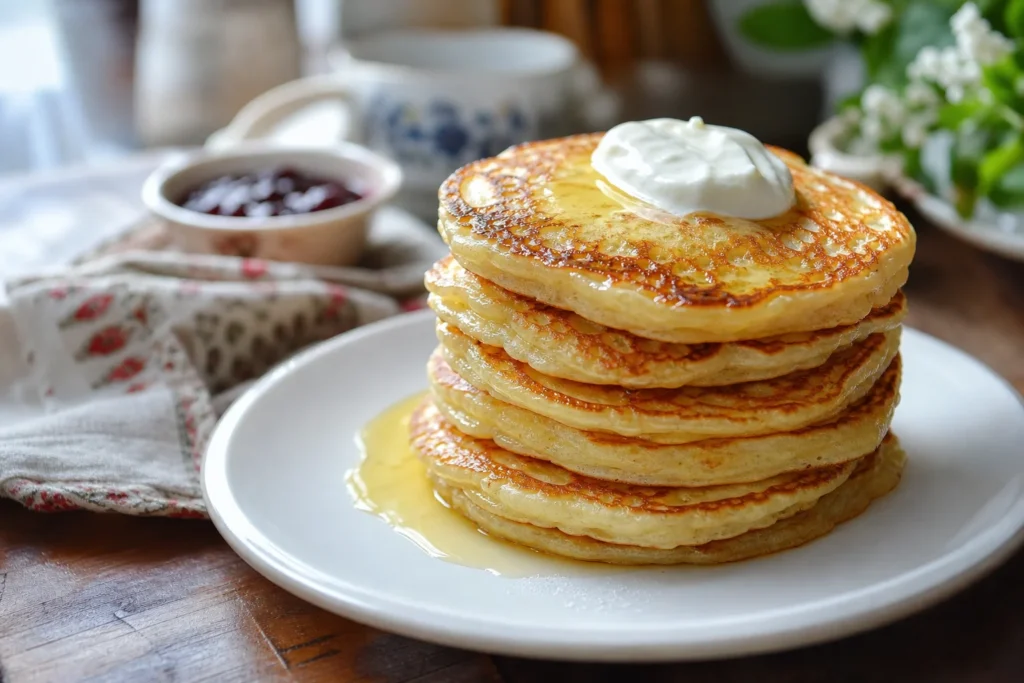
Blini are Russian pancakes, often made with a yeast-raised batter of buckwheat, or wheat flour and milk. For a visitor to Russia, learning how to make blini—or at least understanding what makes them distinctive—opens a window into Russian culinary tradition and home cooking.
This guide walks you through how to make blini with a simple, reliable milk-based batter that yields tender, golden pancakes ready for any topping. The recommended option uses no yeast and takes about 20 minutes, making it practical for any home kitchen. You’ll learn the steps, common mistakes, and how to serve them like a local.
Quick answer: Blini are thin, round pancakes made from a batter typically consisting of flour, milk, eggs, and sometimes yeast. Unlike thicker pancakes common in other cuisines, Blini have a light and airy texture, making them perfect for both sweet and savoury fillings. A simple milk-based version takes about 20 minutes and costs little to make.
At a Glance
| Type | Dishes |
|---|---|
| Local name | блины |
| Origin | According to historian and Russian cuisine expert William Pokhlyobkin, people were baking blinis even before the invention of the wheel. While the basic technique of mixing flour and water and cooking it on a hot surface is a universal heritage, a unique tradition developed around blinis in Russia. Their round shape represented the sun in pre-Christian times, and during Maslenitsa—Russia's famous "pancake week"—they were eaten in such quantities that the celebration became inseparable from their flavor. |
| Servings | 2–4 people (about 12–15 pancakes) |
| Total time | 20–25 minutes |
| Difficulty | Easy |
History and Story of Blini, Nizhny Novgorod
Scholars believe blinis originated as a ritual funeral dish, but by the 16th century they had become a culinary staple that every housewife was expected to master. For Russia’s aristocracy, blini became a symbol of opulence. Served with black caviar, salmon, and champagne, they appeared at banquets and balls as a delicacy that bridged peasant food with elite taste. Blini are eaten throughout the year, but their most famous season is Maslenitsa, which takes place during the week before Orthodox Great Lent. In the traditional pre-Lenten sequence, meat has already been removed from the diet, while dairy products, butter, and eggs are still permitted.
Ingredients
- 200 ml milk
- 2 eggs
- 150 g all-purpose flour
- 1 teaspoon sugar
- ½ teaspoon salt
- 2 tablespoons vegetable oil or melted butter
How Blini, Nizhny Novgorod Is Made
Step 1: Combine dry ingredients
In a large bowl, whisk together the flour, sugar, and salt. This takes about one minute and ensures even distribution of the salt and sugar throughout the batter.
Tip: Sift the flour if it feels lumpy, for a smoother batter.
Step 2: Mix the wet ingredients
In a separate bowl or measuring jug, whisk the eggs with the milk and oil until combined. This should be smooth and pourable. The oil helps make the blini tender and slightly rich.
Tip: Room-temperature milk mixes more easily than cold milk.
Step 3: Combine wet and dry
Pour the wet mixture into the dry ingredients and whisk gently until just combined. The batter should be smooth but thin—thinner than cake batter but thicker than single cream. Stop mixing once there are no visible lumps; overmixing makes them tough.
Tip: If the batter is too thick, add another tablespoon or two of milk and whisk again.
Step 4: Heat the pan
Place a heavy-bottomed frying pan or skillet over medium-high heat. Once it is hot, add a small knob of butter or a splash of oil and let it coat the pan evenly. The pan is ready when a drop of batter sizzles on contact.
Tip: A non-stick or cast-iron pan works best. Test the heat by sprinkling a few drops of water on the surface—they should dance and evaporate immediately.
Step 5: Pour and cook the first side
Pour a small ladleful of batter (about 60–80 ml) onto the center of the hot pan and immediately tilt the pan in a circular motion to spread the batter into a thin, round pancake about 15 cm across. Cook for 60–90 seconds until the top looks set and the bottom is golden brown.
Tip: Russian tradition says the first blin is always lumpy—don't judge your cooking by it. By the third or fourth pancake, you'll find your rhythm.
Step 6: Flip and finish
Using a thin spatula or pancake turner, slide under the edge, flip quickly, and cook the other side for about 30–40 seconds until it is light golden. Transfer to a plate.
Tip: Keep cooked blini warm by stacking them on a plate and covering with a clean kitchen towel.
Step 7: Finish and serve
Repeat with the remaining batter, rebuttering or oiling the pan between each pancake. Serve warm, stacked on a plate, with melted butter brushed or dotted on top. Then add your chosen toppings.
Tip: Blini are best eaten warm, within 15–20 minutes of cooking, but can be reheated gently in a low oven if needed.
Variants
- Traditionally, blini are yeast raised and made with buckwheat flour.
- As trade routes expanded and wheat flour became more widely available, the recipe began to change. The introduction of wheat flour led to lighter, fluffier blini that were easier to prepare and more versatile in their use.
- A quick milk-based batter can be genuinely Russian even if it does not use yeast. A buckwheat version may reflect older grain traditions, while a delicate wheat-flour blinchik may represent modern home cooking.
Common Mistakes to Avoid
- Overmixing the batter: Whisking too vigorously after combining wet and dry ingredients develops gluten, making blini rubbery instead of tender. Mix just until the lumps disappear.
- Batter too thick or too thin: Blini should be thin and delicate. If your batter is the consistency of pancake mix, add more milk one tablespoon at a time. If it is watery, whisk in a little more flour.
- Pan too cool or too hot: A cool pan makes blini pale and dense. Too hot and the bottom burns before the top sets. Medium-high heat is the target; adjust down if they brown too fast.
- Flipping too early: Flipping before the bottom is set causes the batter to tear and stick. Wait until the top surface looks dry and the edges lift easily with a spatula.
- Skipping the rest time: If using yeast, skipping the rise time produces dense, flat blini. Even a quick milk batter benefits from sitting a few minutes before cooking.
- Crowding the pan: Pouring batter back on itself or cooking two at once prevents heat circulation and uneven cooking. Give each blin space to spread.
How to Order and Eat It
They may be served with smetana, cottage cheese, caviar and other garnishes, or simply smeared with butter. A few traditional toppings for blini pancake include caviar, chopped smoked fish such as smoked salmon, and sour cream. Spread warm blini with melted butter first to absorb it, then add your choice of toppings: sour cream and jam for a sweet version; sour cream and caviar or smoked salmon for savory. Fold in half or quarters and eat with your hands or a fork.
To order: Блины пожалуйста [Bliny pozhaluysta]
Where to Try Blini, Nizhny Novgorod
Saint Petersburg
 Katyusha, Saint Petersburg Traditional Russian cuisine, Russian home-style cooking, Soviet-era classics and contemporary interpretations of regional Russian dishes
Main image: AI-generated illustration. It may not show the place exactly as it looks.
Russia Vibes Tips
- For a lighter, fluffier result, separate the eggs and fold the stiffly beaten egg whites into the batter just before cooking. This adds air and creates a slightly puffier texture, though it requires more preparation.
- The Russian saying goes, "The first blin is always lumpy," but after three or four, you'll get the knack. Don't be discouraged by the first attempt; practice on medium heat and adjust from there.
- Make blini ahead and store them in the refrigerator between parchment sheets for up to two days. Reheat gently in a low oven or microwave before serving with fresh toppings.
- The accompaniments include—must include!—sour cream and melted butter, which are the foundation for both sweet and savory versions. Always have these on hand.
- Blini are thinner and more delicate than American pancakes. Russian Blini are thinner than traditional American pancakes, resembling crepes rather than fluffy stacks. Treat them gently when flipping and transferring.
- On Maslenitsa, the Russian pre-Lenten festival, blini are eaten in vast quantities, often at street stalls and family gatherings. If you taste them in Russia during that week in late winter, you're experiencing a centuries-old tradition at its peak.
Where to Find Blini, Nizhny Novgorod in Russia
More chains in Russia
 Bird Cherry Cake, Yekaterinburg
 Borsch, Nizhny Novgorod
 Buuzy, Irkutsk
 Crab Belyash, Murmansk
 Kvass, Nizhny Novgorod
 Lingonberry Compote, Murmansk
Related guides
 Bolshaya Pokrovskaya Street: A Walking Tour of Nizhny Novgorod’s Historic HeartOpen 24 hours
 Nizhny Novgorod Kremlin: Medieval Fortress and River ViewsOpen daily 06:00–22:00
 Best Restaurants for Traditional Russian Cuisine, Nizhny Novgorod: Where to Eat Local
Browse more: All Food & Drink · All Food & Drink in Nizhny Novgorod · All Nizhny Novgorod · All Other
FAQ
What is the difference between blini and crepes?
Blintzes, called blinchiki ('little blinis') in Russian, are an offshoot of blini or crêpes. In modern usage, blini are thinner than American pancakes and can range from very thin (crepe-like) to slightly thicker depending on the region and recipe. Crepes are French and are typically thinner still and unleavened.
Do blini always contain yeast?
A quick milk-based batter can be genuinely Russian even if it does not use yeast. Traditional blini often used yeast for a light texture, but modern home cooks frequently use baking powder or no leavening agent at all, relying on eggs and careful mixing for tenderness.
What are typical blini toppings?
"Blini" are delicious Russian-style pancakes eaten with a variety of toppings—the most common are sour cream, caviar, butter, and jam (but not all at the same time). Smoked salmon, cottage cheese, honey, and fresh berries are also popular.
When is Maslenitsa, the blini festival?
Blini are eaten throughout the year, but their most famous season is Maslenitsa, which takes place during the week before Orthodox Great Lent. The exact dates change each year based on the Orthodox calendar.
Why are blini traditionally eaten during Maslenitsa?
Their round shape represented the sun in pre-Christian times, and during Maslenitsa—Russia's famous "pancake week"—they were eaten in such quantities that the celebration became inseparable from their flavor. Later, Orthodox Christian tradition infused Maslenitsa with new meanings, making it a week of feasting before the solemnity of Lent, yet the blin remained at the center of the ritual table.
What is the singular form of blini?
In Russian, one pancake is a блин—blin. The plural is блины́—bliny, commonly written "blini" in English.
Can blini be made ahead?
Yes. Blini can be cooked, cooled, and stored between parchment sheets in the refrigerator for up to two days. Reheat gently in a low oven or microwave before serving with fresh toppings.
How much does it cost to make blini?
Blini are inexpensive to make, using only flour, eggs, milk, and a small amount of oil or butter. A batch serving 2–4 people costs very little. The final cost depends on the toppings you choose.
Russia Vibes is a one-person project. A coffee keeps it going
How we research and update our guides
About this guide: AI assistance and accuracy
This guide is created with the help of AI and is based on official sources where available. Mistakes can still happen. Opening hours, prices, rules and other details are given to the best of our knowledge as of the date shown and can change without notice. It offers general recommendations only, not professional, legal or travel advice. Please confirm important details with the official source before you travel; you are responsible for your own plans and decisions.

Take this guide with you
Get a free PDF of this guide to print or read offline: key facts, tips and a map link on a few clean pages.
Report an issue on this page
Paying for your trip: please read
International sanctions affect payments between Russia and many other countries. In practice, cards issued in the EU, the UK, the US and several other countries often do not work in Russia, Russian cards usually do not work abroad, and some booking platforms, airlines and payment providers limit or suspend their services for Russia. The situation changes frequently.
We do not give legal or financial advice, and this site does not encourage anyone to break or circumvent sanctions. Whatever you plan, you are responsible for following the laws and regulations that apply to you, including those of your country of residence and citizenship.
Many travelers still organise their stay lawfully. It is worth asking your bank or payment provider what is currently permitted, contacting hotels, tour operators and carriers directly about the payment methods they accept, and checking which services are open to customers from your country. Clarify payment, cancellation and refund terms before you commit to a booking, and keep your plans flexible.
Partner links on this site may not be available in every country, and prices, availability and rules in our guides can differ from what you see when you book.