
Updated
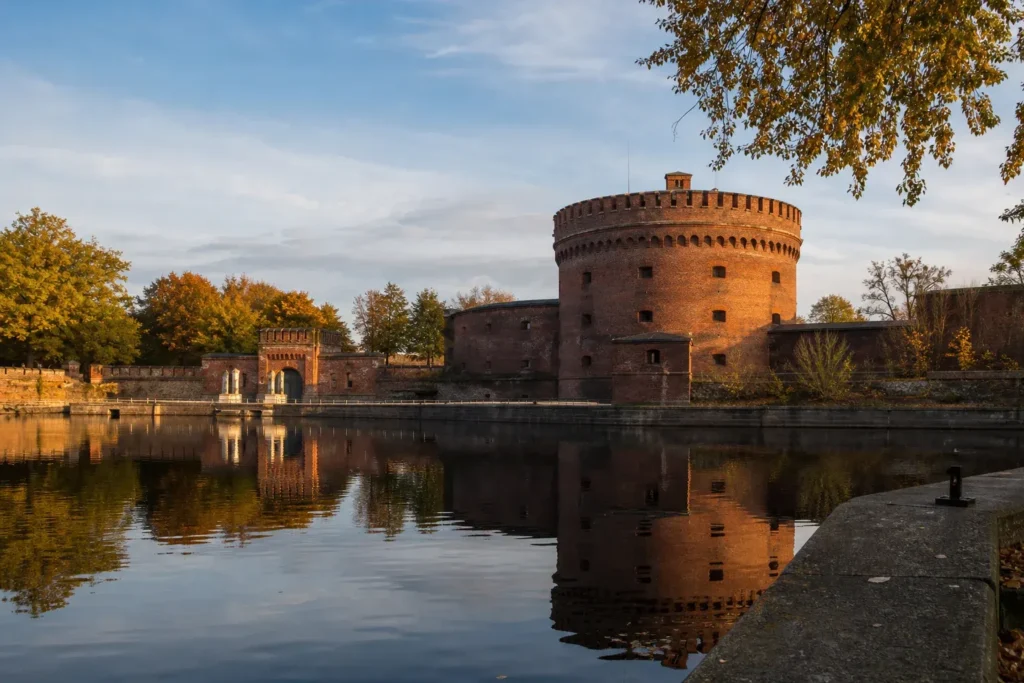
The Amber Museum is Russia’s only museum entirely dedicated to the “sun stone.” Located in the city center on the picturesque shore of Lake Upper, it occupies a historic building—the Dohna fortification tower, built in the mid-19th century, which together with the Rossgarten Gate is part of the old fortifications.
The Kaliningrad region holds the world’s largest amber deposit, containing over 90% of the global reserves of this mineraloid. The museum opened in 1979 and houses about 14,000 individual pieces. The exposition is arranged on three floors in 28 show-rooms, with a total area of 1,000 square metres.
Quick Facts
| Russian name | Калининградский областной музей янтаря |
|---|---|
| Built / opened | 1979 |
| Address | Плошадь Маршала Василевского, 1, Калининград, 236016 OpenStreetMap · Google Maps |
| District | Kaliningrad |
| Opening hours | October–April: Tue–Sun 10:00–18:00; closed Mon
May–September: Daily 10:00–19:00 |
| Admission | ₽₽ |
| Best time to visit | October–April: Tuesday–Sunday, 10:00 AM to 6:00 PM (ticket office closes at 5:00 PM). Closed on Mondays. May–September: Daily from 10:00 AM to 7:00 PM (ticket office closes at 6:00 PM). Visit early (opening time) or mid-afternoon on weekdays to avoid school groups and tour parties. Summer (July–August) draws peak crowds; spring and autumn offer better solitude. |
| Recommended duration | 2–3 hours |
| Website | ambermuseum.ru |
What Is (and Isn't) Part of a Visit to Amber Museum, Kaliningrad?
| Part | Status | Notes |
|---|---|---|
| Permanent amber exhibition (all three floors) | Included in the standard ticket | Natural specimens, jewelry, crafts, scientific displays, and historical pieces from Neolithic to modern eras. |
| Temporary exhibitions | Included in the standard ticket | The museum hosts rotating temporary exhibitions; check the official website to see what is currently on display. |
| Dohna Tower observation deck | Separate ticket or institution | Guided tours to the top of the tower observation deck are available; these require a separate ticket and advance reservation. |
| Museum shop | Included in the standard ticket | Souvenir zone on the ground floor sells amber jewelry and crafts made by local artisans; browsing is free. |
| Rossgarten Gate adjacent structure | Outside / not part of it | The museum occupies the Dohna Tower only. The Rossgarten Gate stands nearby but is a separate historical structure not part of the museum visit. |
| Audio guide rental | Separate ticket or institution | Available in multiple languages for an additional fee; ask at the ticket counter. |
Why Visit Amber Museum, Kaliningrad?
This is a terrific introduction to the ‘sunstone’ – detailing how amber is formed, how it defined prehistoric trade routes, as well as how to differentiate imitations from the real deal. There are more than 6000 amber exhibits, including marvellous works of art by contemporary Kaliningrad craftspeople, plus reconstructed centuries-old goblets and caskets, a whopping 4.28kg amber nugget and ancient specimens of prehistoric insects and plants fossilised in resin. The museum houses unique works of European masters of the 17th century, complemented by contemporary replicas of ancient amber artifacts and reconstructed fragments of the famous Amber Chamber, which disappeared during the Second World War.
How Amber Museum, Kaliningrad Is Laid Out
The museum’s impressive exhibition covers about 1,000 square metres and is housed in 28 halls across three floors of the ancient tower. Thematically, it consists of two sections: one devoted to science – natural history and geology – and the other to history and culture. The permanent exhibition follows a logical progression from ground floor scientific displays through historical and artistic works on the upper levels. Allow time to climb stairs between floors; there is no lift in the historic tower.
Highlights of Amber Museum, Kaliningrad
The Largest Russian Amber Nugget
The biggest "sunstone" in Russia weighs 4.28 kilograms. This specimen is one of the museum's most iconic treasures and immediately captures visitors' attention in the scientific section. The sheer size and golden clarity of the amber makes it impossible to miss. Look for it among the raw amber specimens on the ground floor.
Tip: Photograph this piece from directly in front to show its true scale; the lighting in this section can make it glow amber-gold.
Prehistoric Insects and Plants
Ancient specimens of prehistoric insects and plants fossilised in resin allow visitors to peer directly into Earth's past. These tiny creatures—mosquitoes, flies, spiders and leaves—were trapped millions of years ago and preserved in perfect detail. Each specimen tells a story about ancient forests and ecosystems.
Tip: Use the magnifying glasses provided near the displays to see fine details; many visitors miss the tiny wings and antennae without them.
Amber Room Reconstructions
The museum is the only owner of fragments of the decor of the Amber Room, restored by artists G. Khozatsky, V. Ertsev, V. Vorobyov, A. Zhuravlev, A. Vanin, M. Ertseva and L. Grigorieva. The artists managed to revive the technology of processing amber, which was used by masters of the 17th-18th centuries. These fragments offer a glimpse of the legendary 18th-century amber decorative panels that vanished during World War II.
Tip: The Amber Room story fascinates many visitors; read the plaques explaining the restoration process and the original room's fate.
The Abundance Vase
A monumental 1.2-meter-tall vase titled The Abundance, carved from amber to symbolize prosperity and natural abundance. This contemporary masterwork demonstrates the skill of modern Kaliningrad amber craftspeople and shows how the material can be carved into large sculptural forms. It stands as both artistic achievement and testament to the region's crafting heritage.
Tip: Stand back to see the proportions of this piece; move closer to appreciate the carved details and surface finish.
Medieval and Roman-Era Jewelry
The cultural-historical section presents amber jewelry and everyday items from the Neolithic period (IV–II millennia BC) to modern times. The museum houses artifacts discovered in the Kaliningrad region during excavations at sites dating from the II–V centuries AD – a period of intensive trade contacts with the Roman Empire. These pieces show how valued amber was as a trade commodity and artistic material across centuries.
Tip: Notice the progression from simple beads to complex carved pieces; it shows how amber-working techniques developed over millennia.
Royal Amber Factory Exhibits
The museum houses a rich collection of artifacts originating from the Royal Amber Factory (1926-1945). A part of the exhibition is dedicated to the Staatliche Bernstein-Manufaktur Königsberg ('government amber factory Königsberg'), a German company for extraction and treatment of amber in Kaliningrad and Jantarny until 1945. This section documents industrial-scale amber processing and the decorative objects it produced.
Tip: The factory section explains the modern machinery and techniques used; this context helps you understand the skill behind handmade pieces nearby.
Atmosphere
The museum is housed in the historic “Dona” tower—a circular red-brick fortress built in 1853. Walking through its halls feels like exploring a medieval castle. The narrow spiral staircases connecting the three floors create an intimate, almost secretive atmosphere as you ascend into the tower. Display cases line the rounded walls, lit from within so the amber glows against darker backgrounds.
The museum is quieter than major city attractions, often peaceful even in summer season. Morning hours tend to be less crowded than afternoons. Families with school-age children visit regularly, and small tour groups move through in organized clusters. The scientific section on the ground floor feels clinical and scholarly, while upper floors become increasingly ornamental and artistic as you climb, reflecting the progression from raw material to refined craftsmanship.
History of Amber Museum, Kaliningrad
Construction on the museum began in 1972. For ten years since 1969 the process of restoration of the historical and architectural complex was under way. The first stage of the Amber Museum was opened on 29 December 1979, as a branch of the Kaliningrad Regional Historical and Art Museum.
The Dohna Tower itself predates the museum by more than a century. It’s a circular red-brick fortress built in 1853. After World War II the tower was used as a storage facility, and in 1974 it was declared a cultural heritage monument and is protected by the state.
The official opening of the first stage of the Amber Museum took place on December 29, 1979. Initially, it functioned as a branch of the Kaliningrad Regional Museum of History and Art. The period from 1979 to 1984 was a time of rapid growth and establishment. It quickly gained popularity and became one of the city’s most visited tourist spots, attracting up to 400,000 visitors annually.
The museum’s creation was deeply symbolic for the region. The decision to create the museum was formalized on March 10, 1969, by the Executive Committee of the Regional Council of Laborers’ Deputies, driven by the need to publicly showcase amber’s value at a time when the Kaliningrad Amber Factory operated in a restricted zone inaccessible to most visitors. The museum transformed amber from a secret Soviet commodity into a public cultural treasure.
Legends and Myths about Amber Museum, Kaliningrad
The Missing Amber Room
Legend – historically unreliable. The legendary Amber Room, an entire chamber lined with amber panels from 18th-century Prussian palaces, was packed and moved by German forces during World War II and disappeared. Many theories exist about its fate—buried, destroyed, or hidden in a castle vault—but it has never been found. The museum's reconstructed fragments and replicas keep this mystery alive and serve as a haunting reminder of what was lost.
Amber as Captured Time
Legend – historically unreliable. Amber is often called "Baltic gold" because it preserved moments in time with perfect clarity. Ancient forests, insects, and even tiny air bubbles from millions of years ago remain visible in the stone. Legend holds that amber pieces with complete insects trapped inside were once believed to hold magical properties and were used as talismans and healing amulets across ancient Europe and the Mediterranean.
Tickets and Booking for Amber Museum, Kaliningrad
| Ticket | Price | Includes |
|---|---|---|
| Adult ticket | ₽₽ | Access to all permanent exhibitions and temporary exhibitions on all three floors. |
| Student or retiree (with valid ID) | ₽ | Same access as adult ticket; rates differ from adult pricing. |
| School child | ₽ | Access to all exhibitions; applies to children from age 7 to high school age. |
| Child under 7 | Free | Free entry to the museum. |
| Disabled visitors and companions | Free | Russian citizens with disabilities typically receive free or reduced admission; international visitors should verify at the ticket counter. |
| Audio guide (optional) | ₽ | Available in multiple languages; guides visitors through the exhibitions with detailed commentary. |
₽ budget · ₽₽ moderate · ₽₽₽ upscale · ₽₽₽₽ splurge. Price levels are estimates compared with typical prices for visitors.
Tickets are sold at the museum entrance during opening hours. The official website is www.ambermuseum.ru; visit it to purchase tickets online in advance. Online purchase opens 30 days before your visit date.
- Advance booking: Buying online allows you to skip the ticket queue, which can be lengthy during summer months (June–August) and weekends. If a date shows “sold out” online, it means tickets for that day are no longer available online, though same-day tickets may still be available at the box office.
- Same-day tickets: Walk-up tickets are available if capacity remains; arrive early (10:00–11:00 AM) to avoid crowds.
- Entry requirements: Show your ticket (digital or printed) at the museum entrance. No passport required for standard admission.
- Ticket office hours: The ticket office closes 30 minutes before museum closing time.
- Russian rates and concessions: The prices listed above are for international adult visitors. Rates for Russian citizens, students with Russian documentation, pensioners, families, and other concession categories differ. For a complete list of all ticket types and current pricing in all categories, see the official museum website ticket page at www.ambermuseum.ru.
Plan and Book
Suggested itineraries Amber Museum, Kaliningrad
1–1.5 hours
Focus on highlights: Dohna Tower entrance → ground floor raw amber specimens and the 4.28 kg nugget → second floor jewelry and crafts → Amber Room reconstructions → ground floor shop. This covers the museum's greatest treasures in rapid sequence, though you will see less detail.
2–3 hours
Complete visit: Start ground floor (science and geology section) → examine prehistoric insects and plants carefully → ascend to second floor (history and culture, Neolithic to 18th century) → third floor (contemporary amber art and Royal Factory exhibits) → Amber Room fragments → return to shop. This is the recommended pace for most visitors.
Half day (4–5 hours)
In-depth exploration: Follow the 2–3 hour itinerary slowly, read all plaques and translations, examine details with magnifying glasses, speak with museum staff for explanations, visit temporary exhibitions if present, browse the shop thoroughly, and enjoy the quiet Dohna Tower atmosphere. This suits visitors with strong interest in amber crafting or natural history.
How to Get to Amber Museum, Kaliningrad
The Amber Museum sits in central Kaliningrad on the shore of Lake Upper (Верхний пруд), about a 10-minute walk from the city’s main squares.
By taxi or ride-hailing: Tell the driver the address: “Плошадь Маршала Василевского, 1” or simply “Amber Museum.” Fares are moderate; allow 10–15 minutes from Kaliningrad Railway Station.
By bus: Buses 9, 11, 19, 26, 28, 29, 31, 32, 37, 40, and 44 serve nearby stops. The museum is a 2–5 minute walk from most bus stops in the central area.
On foot: From Railway Station (Железнодорожный вокзал): Walk north-west toward the city center (roughly 15–20 minutes). From Kant Island (the central cathedral square): Walk south around the lake shore (about 10 minutes). The museum is well-signed from central streets.
Accessibility
The museum occupies a historic 19th-century tower with narrow spiral staircases connecting three floors. There is no lift. Visitors with mobility restrictions will find steep, winding stairs challenging; the tower was not designed for wheelchair or stroller access. Some visitors with limited mobility can navigate the ground and second floors, but the third floor may not be practical. Resting benches are limited. Accessible restroom facilities are available. Visitors with significant mobility limitations should contact the museum in advance (+7 4012 46 68 88) to discuss which sections can be accessed.
Food Nearby
The museum area has limited immediate dining options within the tower itself, but cafes and restaurants are scattered through the central Kaliningrad neighborhoods within a 5–10 minute walk. The nearby Fishing Village (Рыбная деревня) complex, a 10-minute walk south, has several cafes and restaurants with views of the lake and historic architecture. Central shopping streets near Kant Island, a 10-minute walk north, offer standard cafes, bakeries and takeaway options.
What to Bring
Comfortable walking shoes (spiral staircases are narrow and can be steep). A light layer or sweater, as the historic stone tower stays cool year-round. Small notebook if you like taking notes on exhibits. The museum allows personal photography without flash or tripod. No large bags or backpacks are allowed inside; small shoulder bags are acceptable. Visitors must pass through a simple security screening at the entrance.
Best Views and Photo Spots of Amber Museum, Kaliningrad
The 4.28 kg amber nugget display (ground floor)
Backlit amber specimen glowing golden-amber against a neutral background. The sheer size creates an impressive scale reference. Side-angle light shows the stone's internal clarity and color gradations.
Best time: Morning light (10:00–12:00) when museum lighting is brightest. Avoid direct flash; ambient museum lighting works well.
Ground floor scientific section (looking up the tower interior)
Spiral staircase and rounded tower walls with amber displays receding upward. The architectural geometry and warm museum lighting create a sense of ascending into the amber collection.
Best time: Any time; the interior lighting is consistent. Morning is slightly brighter.
Amber Room reconstruction fragments (typically second floor)
Ornate amber panels with intricate carved patterns, often displayed with translucent backlighting that shows the amber's glow and internal structure. These are the museum's most striking visual pieces.
Best time: Afternoon (14:00–17:00) when gallery lighting is optimized for viewing. Natural window light (if any) can wash out backlighting.
Contemporary amber sculptures (third floor)
Large-scale carved amber pieces like "The Abundance" vase, showing the human scale relative to the material and the artisan's skill. Warm spotlighting emphasizes color and carved detail.
Best time: Late morning to early afternoon when gallery lights are at full intensity.
Museum exterior—Dohna Tower from the lake shore
Red-brick fortress tower reflected in Lake Upper. The circular tower and surrounding historic fortifications form a distinctive silhouette against the sky.
Best time: Late afternoon (16:00–18:00) for warm, golden side-light on the red brick. Overcast days provide even, shadowless light.
Photography Rules
Personal photography and videography are permitted in all exhibition halls without flash, tripod, or professional equipment. Do not use artificial lighting or flash photography, as it damages the amber and harms other visitors' views. No commercial photography or filming is allowed without prior permission from the museum.
Family Suitability
The Amber Museum suits families with children ages 5 and up. The displays fascinate many children, especially prehistoric insects in amber and the large nugget. The narrow spiral staircases are manageable for children able to walk and climb confidently; expect 5–10 minutes per floor. Strollers cannot be carried up spiral stairs; families with infants should plan a shorter visit (1–1.5 hours) or bring a baby carrier. Museum staff can usually store a stroller at ground level. The museum can feel crowded when school groups visit (often late morning and early afternoon on weekdays); visiting early or mid-afternoon is better for families. Audio guides are available but geared toward older children and adults. Most exhibits have English translations. The gift shop appeals to older children interested in jewelry or natural history. Resting spots are limited, so plan breaks.
Russia Vibes Tips
- Monday closure: The museum is closed Mondays from October to April; verify before visiting during winter months. Summer (May–September) it is open daily.
- Tower observation deck tours: Guided tours to the top of the Dohna Tower observation deck run twice daily (11:00 AM and 2:00 PM) but are limited to small groups (5 people). Call ahead (+7 4012 46 68 88) to reserve a spot; do not expect walk-up availability.
- Buy tickets online: During peak season (June–August and weekends), same-day ticket queues can stretch 20–30 minutes. Purchasing in advance on www.ambermuseum.ru saves time and guarantees entry.
- Visit early morning: The museum is quietest between 10:00–11:30 AM on weekdays. Afternoon hours (after 14:00) draw school groups and organized tours; morning solitude enhances the experience.
- Magnifying glasses and plaques: Use the magnifying glasses provided at prehistoric insect displays to see fine details (wings, antennae) that are invisible to the naked eye. Read the English plaques carefully; they explain specimen ages, formation, and significance.
- Ground floor shop layout: The souvenir shop occupies part of the ground floor near the entrance. Quality, price and authenticity vary widely. Locally made amber pieces by Kaliningrad artisans carry higher prices but superior craftsmanship compared to mass-produced imports; staff can identify local work if you ask.
Explore Nearby Amber Museum, Kaliningrad
Sights near Amber Museum, Kaliningrad
 Königsberg Cathedral, Kaliningrad – about 1.9 km away (~31 min walk) · typical visit: 2–3 hoursOpen daily 10:00–19:00
Main image: AI-generated illustration. It may not show the place exactly as it looks.
 King's Gate, Kaliningradabout 1.3 km away (~20 min walk) · typical visit: 45 minutes to 1 hour
Main image: AI-generated illustration. It may not show the place exactly as it looks.
 Bunker Museum, Kaliningrad – about 1.3 km away (~22 min walk) · typical visit: 1–2 hoursOpen daily 10:00–19:00
Main image: AI-generated illustration. It may not show the place exactly as it looks.
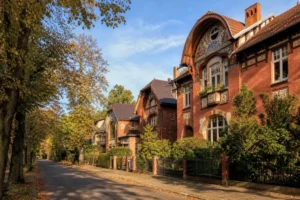 Amalienau District, Kaliningradabout 1.4 km away (~22 min walk) · typical visit: 2–3 hours
Main image: AI-generated illustration. It may not show the place exactly as it looks.
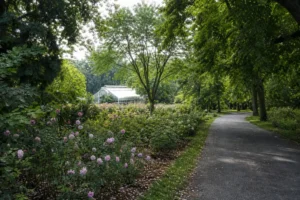 Kaliningrad Botanical Garden, Kaliningrad – about 1.7 km away (~27 min walk) · typical visit: 1–2 hoursOpen daily 10:00–19:00
Main image: AI-generated illustration. It may not show the place exactly as it looks.
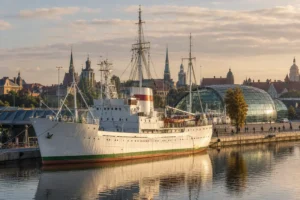 Museum of the World Ocean, Kaliningrad – about 2.3 km away · typical visit: 2–3 hoursOpen 10:00–18:00, closed Mon
Main image: AI-generated illustration. It may not show the place exactly as it looks.
Restaurants and cafes near Amber Museum, Kaliningrad
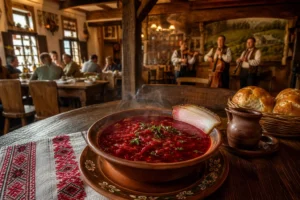 Korchma Borsch & Salo, Kaliningradabout 1.2 km away (~20 min walk)
Main image: AI-generated illustration. It may not show the place exactly as it looks.
 Konigsbacker, Kaliningradabout 1.4 km away (~23 min walk)
Main image: AI-generated illustration. It may not show the place exactly as it looks.
 Povareshka, Kaliningrad – about 1.5 km away (~24 min walk)Open daily 09:00–22:00
Main image: AI-generated illustration. It may not show the place exactly as it looks.
Hotels near Amber Museum, Kaliningrad
 Oberteich Hotel, Kaliningradabout 300 m away (~5 min walk)
Main image: AI-generated illustration. It may not show the place exactly as it looks.
 Mercure Kaliningrad Center, Kaliningradabout 450 m away (~7 min walk)
Main image: AI-generated illustration. It may not show the place exactly as it looks.
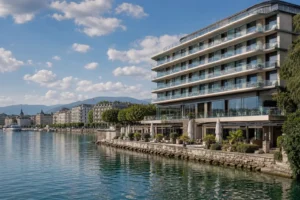 Crystal House Suite Hotel & Spa, Kaliningradabout 950 m away (~15 min walk)
Main image: AI-generated illustration. It may not show the place exactly as it looks.
Events and traditions near Amber Museum, Kaliningrad
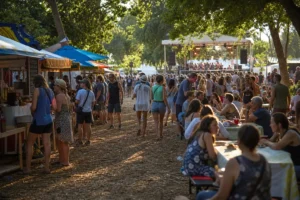 Kaliningrad City Picnic, Kaliningradabout 1.6 km away (~26 min walk)
Main image: AI-generated illustration. It may not show the place exactly as it looks.
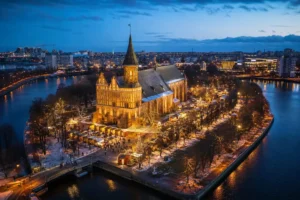 New Year Fair on Kant's Island, Kaliningradabout 2.0 km away (~32 min walk)
Main image: AI-generated illustration. It may not show the place exactly as it looks.
Related guides
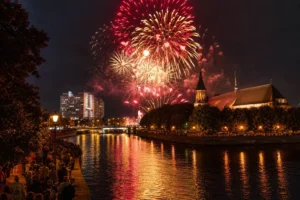 Kaliningrad City Day: Fireworks, Concerts and Local Celebrations in Early July
Main image: AI-generated illustration. It may not show the place exactly as it looks.
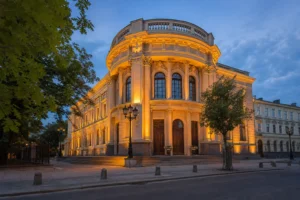 Amber Necklace Festival: Kaliningrad’s International Arts Festival
Main image: AI-generated illustration. It may not show the place exactly as it looks.
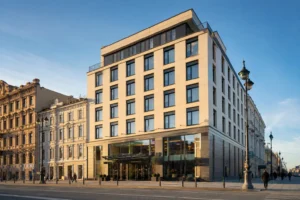 Ibis Kaliningrad Center: Central Hotel in Historic Kaliningrad
Main image: AI-generated illustration. It may not show the place exactly as it looks.
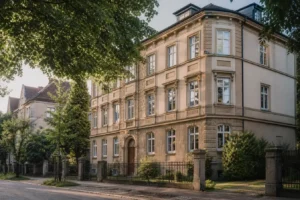 Chaika Hotel, Kaliningrad: Historic 1927 Property in Quiet Amalienau
Main image: AI-generated illustration. It may not show the place exactly as it looks.
Browse more: More in Kaliningrad · All Kaliningrad · All Museums · All Sightseeing · All Sightseeing in Kaliningrad
FAQ: Amber Museum, Kaliningrad
Is the Amber Museum suitable for young children?
Yes, children ages 5–12 often enjoy it, especially the large amber nugget and insects in amber. However, the narrow spiral staircases require confident climbers. Young children under 7 enter free. Strollers cannot navigate the stairs; bring a baby carrier if needed. Plan a 1–1.5 hour visit for families with young children.
Can I take photographs inside?
Yes, personal photography without flash or tripod is allowed. Flash damages amber and interferes with other visitors' views. Ambient museum lighting is sufficient for most cameras and phones.
What is the difference between the permanent exhibition and temporary exhibitions?
The permanent exhibition covers the history, geology and art of amber across all three floors. Temporary exhibitions are rotating shows, typically focusing on specific themes, artists or collections. Both are included in the standard ticket. Check the official website to see what temporary exhibitions are currently on display.
Is there a lift or elevator in the tower?
No. The museum occupies a historic 19th-century tower connected by narrow, winding spiral staircases. There is no lift. Visitors with mobility restrictions should call the museum (+7 4012 46 68 88) beforehand to discuss accessibility.
How long does a typical visit take?
Plan 2–3 hours for a leisurely visit seeing all three floors and the main exhibits. First-time visitors with strong interest in amber crafts should allow 4–5 hours. Visitors in a hurry can see highlights in 1–1.5 hours, though this pace misses detail.
Can I buy amber souvenirs at the museum?
Yes. The ground-floor shop sells amber jewelry, carvings, and crafts made by local Kaliningrad artisans as well as mass-produced souvenirs. Quality and authenticity vary; ask staff to identify pieces made by local craftspeople if authenticity matters to you.
Is the museum closed on any specific days?
October–April: closed on Mondays. May–September: open daily. Additionally, the last Monday of each month is a maintenance day when the museum may have limited access. Check the official website or call before visiting.
What is the Amber Room and why does the museum have fragments?
The Amber Room was an 18th-century amber-paneled chamber from Prussian palaces that disappeared during World War II. The museum displays reconstructed fragments and replicas created by restorers who studied historical records and revived 17th–18th century amber-working techniques. These are the only surviving original fragments of the room's decor.
Russia Vibes is a one-person project. A coffee keeps it going
How we research and update our guides
About this guide: AI assistance and accuracy
This guide is created with the help of AI and is based on official sources where available. Mistakes can still happen. Opening hours, prices, rules and other details are given to the best of our knowledge as of the date shown and can change without notice. It offers general recommendations only, not professional, legal or travel advice. Please confirm important details with the official source before you travel; you are responsible for your own plans and decisions.

Take this guide with you
Get a free PDF of this guide to print or read offline: key facts, tips and a map link on a few clean pages.
Report an issue on this page
Paying for your trip: please read
International sanctions affect payments between Russia and many other countries. In practice, cards issued in the EU, the UK, the US and several other countries often do not work in Russia, Russian cards usually do not work abroad, and some booking platforms, airlines and payment providers limit or suspend their services for Russia. The situation changes frequently.
We do not give legal or financial advice, and this site does not encourage anyone to break or circumvent sanctions. Whatever you plan, you are responsible for following the laws and regulations that apply to you, including those of your country of residence and citizenship.
Many travelers still organise their stay lawfully. It is worth asking your bank or payment provider what is currently permitted, contacting hotels, tour operators and carriers directly about the payment methods they accept, and checking which services are open to customers from your country. Clarify payment, cancellation and refund terms before you commit to a booking, and keep your plans flexible.
Partner links on this site may not be available in every country, and prices, availability and rules in our guides can differ from what you see when you book.