
Updated
Sochi‘s humid subtropical climate means your packing strategy depends heavily on when you visit. Whether you’re heading to the beach in summer or exploring the mountains in winter, this guide tells you exactly what clothes and gear to bring to stay comfortable and avoid cultural missteps.
This article covers everything from beach attire and evening wear to mountain gear and footwear, plus the local dress code rules that might surprise you. Follow these recommendations and you’ll pack efficiently without leaving essentials behind.
Quick answer: Pack differently depending on the season. For summer beach visits (May–September), bring breathable cotton and linen clothing, comfortable walking shoes, and swimwear; allow 30 minutes to organize a packing list. For winter trips (December–February), add a warm jacket and layers for occasional cold spells. Know Sochi's dress code: swimwear is for beaches only; nightclubs and restaurants enforce smart-casual or formal rules; Orthodox churches require covered shoulders and heads. Most visitors overprepare; Sochi has good shops if you forget something.
At a Glance
| Total time | 30–45 minutes |
|---|---|
| Typical cost | free |
What You Need Before You Start
- Travel dates and planned activities (beach, mountains, dining, nightclubs)
- Weather forecast or seasonal climate expectations for your travel dates
- Luggage capacity and baggage weight limits
- Information about evening plans (restaurants, nightclubs, casual dining)
- Any planned visits to Orthodox churches or religious sites
Compare Your Options
| Option | Duration | Price | Notes |
|---|---|---|---|
| Summer packing (May–September): minimal layers, beach focus | Recommended for warm-season trips | ₽ | Best for beach lovers and outdoor activities. Breathable fabrics dominate, fewer heavy items. Luggage stays lighter and cheaper to transport. All beach areas open; sea temperature comfortable for swimming. Crowded peak season (July–August) means book accommodation early. |
| Spring and autumn packing (March–May, September–November): layers and versatile pieces | Recommended for shoulder seasons | ₽ | Pleasant temperatures (12–19°C) suit outdoor exploration. Mix of t-shirts, light jackets, and one warm layer. Fewer tourists than summer. Some rainfall occurs but less than winter. A sweater and rain jacket cover most situations. |
| Winter packing (December–February): warm layers and rain gear | Recommended for winter trips | ₽ | Mild by Russian standards (4–5°C) but damp and rainy (14–17 wet days per month). Warm coat, umbrella, and closed-toe waterproof shoes essential. Mountains nearby offer skiing; warmer mountain gear required for higher elevations. Nightlife and indoor attractions compensate for less beach time. |
| Mix-and-match capsule wardrobe: 3-2-1 method | Works for any duration | ₽ | Pack 3 tops that layer, 2 bottoms matching the same shoes, and 1 outer layer (jacket, cardigan). Add one dressier piece for evenings. Allows 5–7 days of wear with laundry halfway through. Requires quick-dry fabrics and willingness to hand-wash items. Reduces luggage significantly. |
| Athletic or active-holiday packing: waterproof gear and sport shoes | For hiking, water sports, or mountain activities | ₽₽ | Waterproof jacket and pants, trekking boots, moisture-wicking base layers. Include extra socks and a dry bag for electronics. Protect yourself from rainfall and muddy mountain trails. More bulk and weight than casual packing, but essential if activities dominate your itinerary. |
₽ budget · ₽₽ moderate · ₽₽₽ upscale · ₽₽₽₽ splurge. Price levels are estimates compared with typical prices for visitors.
Step-by-Step Instructions
Step 1: Check the season and temperature range
Sochi has a subtropical climate with mild winters (averaging 4.5–7.2°C in December–February) and warm summers. Summer daytime temperatures range from 20–23°C, with maximums reaching 26°C or higher; August is warmest and driest. January and February temperatures hover around 4–5°C and bring frequent precipitation, so pack for damp conditions. Cross-check your travel dates against typical weather to plan your base layers.
Tip: Download a weather app showing the past three years of data for your travel dates—Sochi's climate is stable enough that historical patterns are reliable.
Step 2: Select summer clothing for beach visits (May–September)
Pack breathable fabrics like cotton or linen for summer. Evenings can be cool and if you visit the mountains, bring a warm jacket and sturdy boots. Comfortable walking shoes are essential because terrain is often hilly and beaches are pebbly. Include several t-shirts, lightweight pants or shorts, a sundress if you prefer, and one light cardigan or cotton jacket for air-conditioned indoor spaces.
Tip: Linen wrinkles easily but dries quickly after washing—practical for longer stays.
Step 3: Select winter clothing for December–March trips
For winter, bring warm clothing such as a sweater, jacket, and raincoat or umbrella for Sochi and the Black Sea. The highest precipitation occurs in this period (14–17 days per month). Include long trousers, a warm coat, closed-toe shoes with grip (streets can be wet), and an umbrella or waterproof jacket. The weather is rarely freezing at sea level, but wet conditions require weather-appropriate layers.
Tip: Pack an extra pair of socks and a quick-dry towel if rain dominates your forecast.
Step 4: Pack beach gear and swimwear
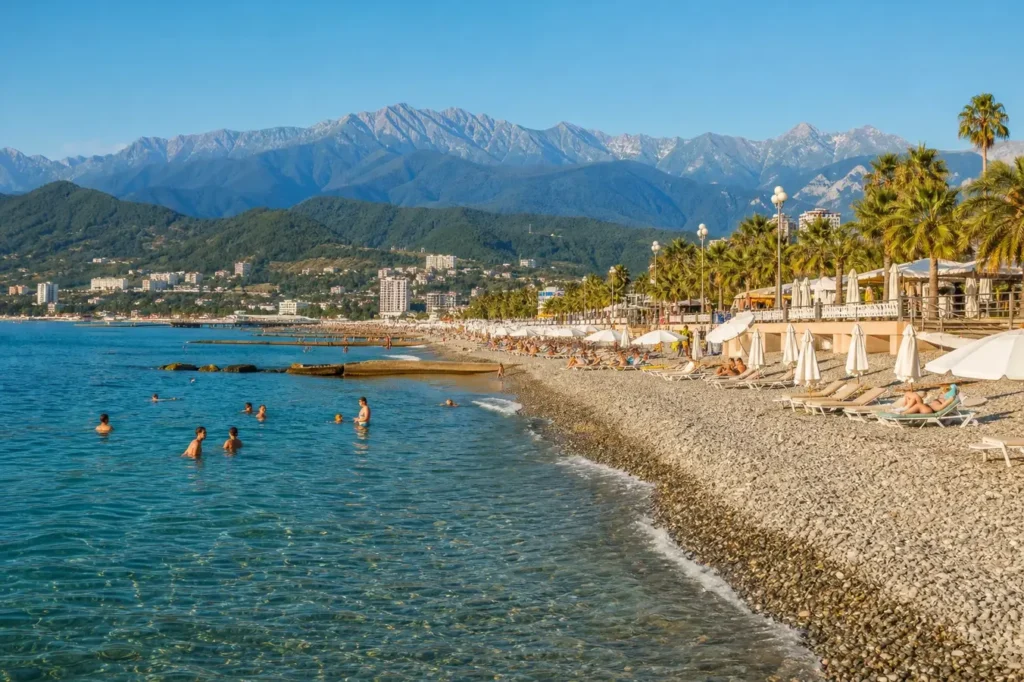
Bring one or two swimsuits and a cover-up (a t-shirt or light shirt works). Many beach areas have pebbles rather than sand, so water shoes or flip-flops designed for rocky beaches are practical. A small waterproof bag protects keys and valuables. A sun hat and sunscreen are essential year-round—even winter sun reflecting off the water burns skin. Do not wear swimwear or go bare-chested in the city center or shops outside the beach zone.
Tip: Quick-dry swimwear dries much faster than traditional fabrics, especially useful if you plan multiple beach days.
Step 5: Pack formal or smart-casual clothing for evening venues
Nightclubs and cocktail lounges after 8 PM forbid beachwear (flip-flops, swim shorts, tank tops) and athletic wear. For men, smart-casual trousers, clean sneakers or leather shoes, and a collared shirt or stylish tee are standard. For women, glamorous, upscale evening wear is the norm. Most restaurants welcome smart-casual attire. Pack one pair of closed-toe shoes suitable for evening dining.
Tip: Black, navy or neutral colors work in almost any setting and travel well.
Step 6: Prepare clothing for Orthodox church visits
If you visit Orthodox churches, remember to dress modestly: women should cover their heads and shoulders, and men should wear long trousers. Bring a lightweight scarf you can wrap around your shoulders or head, or a cardigan that covers arms. Trousers or ankle-length skirts are appropriate. Many churches loan headscarves if you forget one.
Tip: Pack a cotton or silk scarf that rolls into a tiny ball—it takes almost no luggage space and solves multiple modest-dress situations.
Step 7: Choose footwear carefully for varied terrain
Comfortable walking shoes are a must, as terrain is often hilly and beaches are pebbly. Bring at least two pairs: sturdy closed-toe walking shoes (hiking boots if you plan mountain trips) and one pair of casual shoes suitable for evening venues. A pair of sandals or flip-flops is practical for the beach and your hotel room. Avoid worn or scuffed shoes—nightclubs apply strict dress codes that include footwear.
Tip: Test new shoes before the trip; blisters on a beach holiday are miserable.
Step 8: Pack layers for mountain and higher-altitude areas
If you plan to visit the mountains, bring a warm jacket and sturdy boots regardless of the season. Mountains can be 10–15 degrees cooler than the coast. A fleece layer, a windproof outer jacket, and thermal socks prepare you for sudden weather changes. Even summer mountain visits require a warm layer for the evening.
Tip: Merino wool layers regulate temperature better than cotton and dry faster after rain.
Step 9: Organize and pack using space-saving methods
Roll soft clothing instead of folding to save luggage space. Place heavier items like shoes at the bottom of your suitcase. Use packing cubes to compress and organize clothing by category (underwear, tops, bottoms). Stuff socks or small items inside shoes to maximize space and help shoes retain their shape. Place wet or dirty items in waterproof bags to protect your clothes.
Tip: Pack about 70% of what you think you need—Sochi has good shops, and overpacking causes backaches and airline fees.
Step 10: Include sun protection and toiletries
Pack high-SPF sunscreen (UV intensity is strong on Black Sea coast), sunglasses, and a sun hat. Bring any prescribed medications in original containers. A small first-aid kit (plasters, pain reliever, antihistamine) covers common issues. Travel-size deodorant and shampoo save space; many hotels provide basic toiletries, but standards vary. A moisturizer suited to humid subtropical climates prevents skin irritation from chlorine and salt water.
Tip: Sunscreen is more expensive in resort areas—bring your preferred type from home.
Step 11: Check airline baggage limits and pack accordingly
Verify weight and dimension limits for your carrier. Sochi receives flights from many Russian and international airlines with varying allowances—budget carriers often charge for bags. If flying with limited baggage space, wear your bulkiest items during transit rather than packing them. Consider checked luggage if you need more than one pair of shoes or extended stays require more clothing.
Tip: Weigh your bag at home to confirm it meets limits; airport overweight charges are expensive.
Common Mistakes to Avoid
- Packing swimwear as casual city clothing: Do not walk around the city center or enter shops and cafes wearing swimwear or bare-chested; this is considered disrespectful. Wear proper clothes even on short trips between your hotel and the promenade. Shops and restaurants enforce this rule.
- Forgetting that nightclubs enforce strict dress codes: Beachwear including flip-flops, swim shorts, and tank tops is strictly forbidden in nightclubs and cocktail lounges after 8 PM. Bring smart-casual shoes and a collared shirt or dressy top if you plan to go out at night.
- Overpacking heavy winter clothes for mild winters: Sochi winters average 4–5°C—warmer than Moscow or Saint Petersburg. Avoid packing a heavy parka or thick thermal underwear; a warm jacket and layers are sufficient. This mistake wastes precious luggage space.
- Not bringing water shoes for pebbly beaches: Sochi beaches are black-sand and pebble beaches. Standard sandals or flip-flops hurt feet on rocky surfaces. Water shoes or beach-specific sandals protect your soles and are essential.
- Ignoring umbrella needs in winter and spring: Damp conditions mark winter, with frequent precipitation and up to 16 wet days in January. March is often the wettest month in terms of frequency, seeing about 17 days with some form of precipitation. An umbrella or waterproof jacket is non-negotiable, not optional.
- Packing formal business wear for a casual beach resort: Sochi is relaxed during the day. Avoid excessive formality unless you have specific evening plans. Neutral, versatile pieces that work as both daywear and evening attire pack better than separate formal and casual wardrobes.
- Forgetting modest dress requirements for churches: Women must cover heads and shoulders, and men must wear long trousers for Orthodox churches. Sleeveless tops, short shorts, and uncovered hair result in refusal of entry. Bring at least one scarf or cardigan.
Tickets, Payment and Booking
Packing is personal planning; no booking required. However, if you need to purchase items in Sochi:
- Supermarkets and shops: Chain stores like Lenta, Magnit, and Pyaterochka sell basic clothing, toiletries, and sun protection throughout the city. Shopping centers (Gorky Gorod Mall, Oktyabrinsky Center) stock international and Russian brands.
- Beach and resort shops: Near the promenade and hotels, small shops sell swimwear, cover-ups, water shoes, and beach accessories at marked-up prices. Plan to buy these before arrival if budget matters.
- Luggage and packing supplies: If you overpack or need additional bags, sports and travel shops in the city center sell suitcases, packing cubes, and shoe bags. This is more expensive than purchasing at home.
- No special permits or apps: Standard shopping applies—bring credit cards (Visa and Mastercard widely accepted) or cash in rubles.
Helpful Links
Compare hotel pricesSearch flights
Advertisement: these are partner links. If you book or buy through them, we may earn a commission at no extra cost to you.
Russia Vibes Tips
- Pack one versatile neutral-colored outfit that transitions from daytime to evening. Black trousers and a simple top pair with your evening shoes, beach sandals worn with a linen shirt during the day, and the same jacket works in almost any situation. This cuts packing dramatically.
- Bring a lightweight travel scarf (silk or cotton). It doubles as a head cover for churches, a shoulder wrap in air-conditioned restaurants, a beach cover-up, and a sun shield. Rolls into a ball and weighs almost nothing.
- If visiting both coast and mountains, pack shoes suitable for hiking trails even if you don't plan serious trekking. Mountain areas have uneven paths, mud, and loose gravel—flat beach sandals fail. Waterproof hiking boots or sturdy trainers with grip work for both.
- Check nightlife venues' dress codes in advance if you plan clubbing. Many popular places enforce strict face control and dresscode policies. Knowing the requirements ahead avoids wasted time at the door or buying emergency clothing at inflated prices.
- Pack clothes in layers rather than by occasion. Instead of a separate 'evening outfit,' bring pieces that combine: a plain t-shirt over lightweight trousers transitions to evening with a smart jacket. This approach cuts duplicates and maximizes combinations.
- Bring a small waterproof bag or dry sack for phones and valuables when at the beach. Beach areas can be crowded and theft of unattended electronics happens. A lightweight dry bag weighs nothing and prevents soggy electronics and lost items.
Explore Nearby "What to pack", Sochi
Browse more: All How-To · All How-To in Sochi · All Other · All Sochi
FAQ
What should I pack if I'm visiting both the beach and mountain areas?
Bring layers that work in both places: lightweight breathable tops for the coast, a warm jacket and fleece for mountains. Pack one pair of sturdy hiking shoes that also work for casual city walking, and water shoes for the beach. A quick-dry microfiber towel covers both contexts. Mountains are 10–15 degrees cooler than the coast, so layering is crucial.
Do I need special gear for swimming or water sports?
For casual swimming, a standard swimsuit and beach towel suffice. If planning water sports (paddleboarding, jet skiing), ask your operator what they provide and what you must bring. Most rental shops supply wetsuits or rash guards. Bring your own only if you have specific fit or style preferences. A small waterproof bag protects keys and valuables.
Can I wear shorts and a t-shirt in restaurants?
Casual daytime restaurants welcome shorts and t-shirts. Evening venues enforce dress codes: no swimwear or athletic wear after 8 PM. Upscale restaurants require smart-casual (long trousers, closed-toe shoes, collared shirt). Check the venue's expectations in advance or pack one outfit slightly dressier than beachwear.
What footwear do I absolutely need?
At minimum: one pair of sturdy walking shoes (closed-toe, with good grip) for exploring the city and mountains; one pair of evening shoes (leather shoes, loafers, or dressy sandals) for dining and nightlife; water shoes or beach-specific sandals for rocky beaches. Regular flip-flops damage feet on pebbles. Aim for three pairs if luggage allows—more versatility with less repeating.
Is an umbrella really necessary in summer?
Summer (June–August) is drier than winter but rainfall still occurs, especially July and August. An umbrella or lightweight rain jacket is practical. The sun on the Black Sea is intense; a sun hat provides shade and UV protection. Pack a compact umbrella that folds into a day bag.
What if I forget something important—can I buy it in Sochi?
Yes. Sochi has supermarkets, shopping malls, and beach shops selling clothing, swimwear, toiletries, shoes, and sun protection. Prices are higher than in your home country or Russian inland cities. Basic items (t-shirts, socks, underwear) cost ₽ to ₽₽; brand-name shoes and formal wear cost more. Plan your packing to include essentials; use local shops only for forgotten items or unplanned activity needs.
How much luggage space do I realistically need?
For a 5–7 day summer beach trip, a carry-on suitcase (20–22 liters) holds enough clothing if you pack efficiently and plan laundry halfway through. For 7–10 days or winter trips with heavier layers, a small checked bag (40–50 liters) gives comfort. Mountain activities require more footwear space. Use packing cubes and roll clothes to maximize space.
Are there any clothing items banned or illegal to wear in public?
Do not wear swimwear or appear bare-chested in the city center, shops, and cafes outside beach zones. Modest dress is expected at Orthodox churches. Most of Russia has no explicit dress bans for visitors in public spaces, but respectful presentation is culturally valued. Avoid very revealing or provocative clothing if visiting cultural or religious sites.
Russia Vibes is a one-person project. A coffee keeps it going
How we research and update our guides
About this guide: AI assistance and accuracy
This guide is created with the help of AI and is based on official sources where available. Mistakes can still happen. Opening hours, prices, rules and other details are given to the best of our knowledge as of the date shown and can change without notice. It offers general recommendations only, not professional, legal or travel advice. Please confirm important details with the official source before you travel; you are responsible for your own plans and decisions.

Take this guide with you
Get a free PDF of this guide to print or read offline: key facts, tips and a map link on a few clean pages.
Report an issue on this page
Paying for your trip: please read
International sanctions affect payments between Russia and many other countries. In practice, cards issued in the EU, the UK, the US and several other countries often do not work in Russia, Russian cards usually do not work abroad, and some booking platforms, airlines and payment providers limit or suspend their services for Russia. The situation changes frequently.
We do not give legal or financial advice, and this site does not encourage anyone to break or circumvent sanctions. Whatever you plan, you are responsible for following the laws and regulations that apply to you, including those of your country of residence and citizenship.
Many travelers still organise their stay lawfully. It is worth asking your bank or payment provider what is currently permitted, contacting hotels, tour operators and carriers directly about the payment methods they accept, and checking which services are open to customers from your country. Clarify payment, cancellation and refund terms before you commit to a booking, and keep your plans flexible.
Partner links on this site may not be available in every country, and prices, availability and rules in our guides can differ from what you see when you book.