
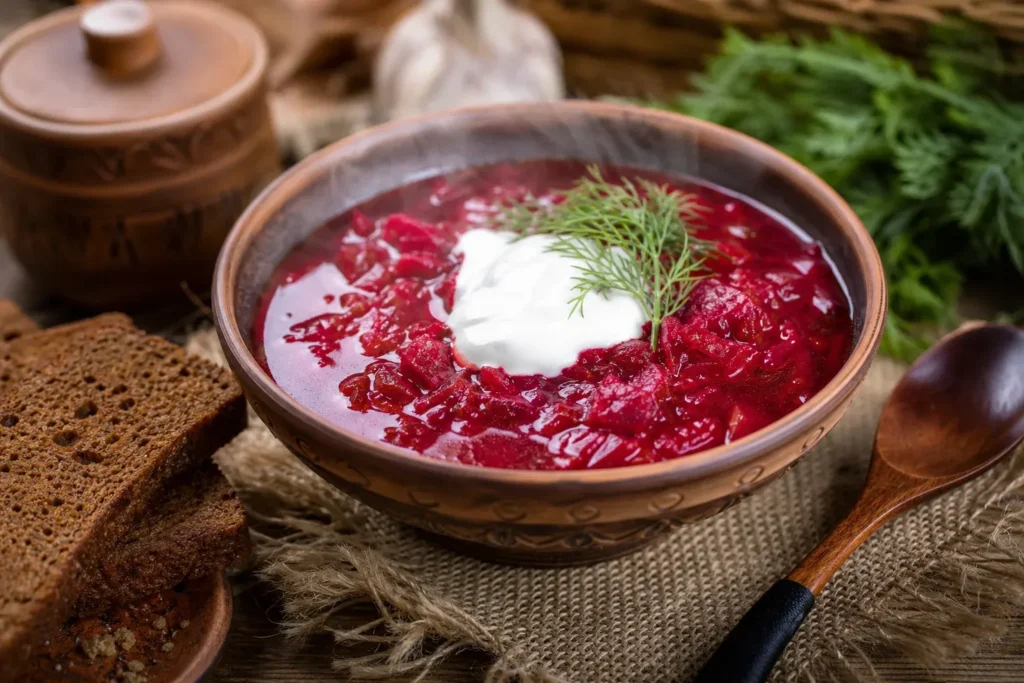
Borscht is one of the most recognizable soups across Russia, Ukraine, and Eastern Europe. This article teaches you how to make borscht at home by following traditional techniques and ingredient choices. Whether you want to recreate this warming classic as it’s served in Sochi or explore regional variations, you’ll master the fundamentals with a step-by-step guide.
The recommended approach combines beef or pork stock with fresh vegetables and uses the traditional “zazharka” method—sautéing aromatics separately before adding them to the pot. Total time is about two hours, making it perfect for unhurried weekend cooking.
Quick answer: Make borscht by building a rich meat broth, adding potatoes and beetroot, then finishing with sautéed vegetables and cabbage. The soup balances sweet beets with vinegar acidity and comes together in roughly two hours of mostly unattended simmering.
At a Glance
| Type | Dishes |
|---|---|
| Local name | борщ |
| Origin | Borscht originated in Ukraine, and in 2022 UNESCO recognized Ukrainian borscht cooking as part of the country's cultural heritage. The name comes from an old Slavic word for hogweed, which was the main ingredient in the original recipe as a sour soup made by boiling fermented hogweed stems, leaves, and flowers. In the 16th century, Ukrainians began incorporating beets into the recipe—they were affordable, nutritious, and added sweetness and vibrant color. It has become a beloved staple across Russia and Eastern Europe. |
| Servings | 4 servings |
| Total time | 2 hours (mostly unattended) |
| Difficulty | Medium |
History and Story of Borscht, Sochi
Borscht began as a peasant food made from accessible ingredients, and through cross-cultural exchange, it developed diverse variants across the region. It is a national dish of many Eastern and Central European countries such as Belarus, Russia, Ukraine and Poland. Borscht has graced both the high table of the Kremlin and the lowly tables of peasants across the former Soviet Union. In Sochi, Kuban borscht, rooted in Cossack traditions of the Krasnodar region, relies on the area’s produce including sweet tomatoes, bell peppers, cabbage, beets, and dill.
Ingredients
- 500 g beef or pork ribs
- 3 medium beets, peeled
- 2 medium potatoes, peeled
- 200 g green cabbage, shredded
- 2 large carrots, peeled
- 1 large onion
- 4 cloves garlic
- 2 tablespoons tomato paste or ketchup
- 2–3 tablespoons white vinegar or lemon juice
- 2 bay leaves
- 2 tablespoons sunflower or neutral oil
- Salt and black pepper to taste
- Fresh dill or parsley for garnish (optional)
- Sour cream for serving
How Borscht, Sochi Is Made
Step 1: Build the stock
Place beef or pork ribs in a large pot with 2 litres of water, roughly chopped onion, bay leaves, and salt. Bring to a boil, then reduce heat to low. Skim any foam from the surface as it rises. Simmer for about 1 hour until the meat is tender and the broth is flavored. Strain the stock, discarding the cooked vegetables and bones, keeping only the broth and meat.
Tip: Skimming prevents a cloudy broth and improves clarity.
Step 2: Prepare the vegetables
Peel and grate the beets (wear gloves to avoid staining your hands). Peel and cut potatoes into bite-sized cubes. Peel and cut carrots into rounds or small batons. Finely chop the onion and garlic. Shred the cabbage into thin pieces.
Tip: Cut vegetables to similar sizes so they cook evenly.
Step 3: Make the zazharka
Heat oil in a separate pan over medium heat. Add finely chopped onion and cook until translucent, stirring occasionally—about 5 minutes. Add the garlic and cook for another minute, taking care not to burn it. Add the grated carrots and continue cooking until softened, about 5 minutes more. Stir in tomato paste and cook for 1 minute. Set aside.
Tip: The zazharka method builds flavor by sautéing aromatics separately before adding to the soup.
Step 4: Build the soup
Return the strained broth to the pot. Add the potato cubes and simmer on medium heat for 10 minutes until partially tender. Add the grated beets and continue simmering for another 5 minutes. Pour in the zazharka (sautéed vegetables) and add the shredded cabbage. Simmer for 10–15 minutes until all vegetables are tender and the cabbage has softened.
Tip: Add beets partway through cooking rather than at the start to preserve their bright color.
Step 5: Balance the flavors
Stir in vinegar or lemon juice to taste—borscht should have a subtle tanginess that balances the sweetness of the beets. Taste and adjust salt and pepper. The soup should taste warm, earthy, and slightly sour.
Tip: Start with 2 tablespoons of vinegar and add more gradually until the flavor feels right.
Step 6: Serve
Ladle hot borscht into bowls. Top each bowl with a generous dollop of sour cream, which softens the intense color and adds richness. Sprinkle with fresh dill or parsley. Serve with dark rye bread on the side.
Tip: Borscht is said to taste even better the next day as flavors meld and deepen; reheat gently.
Variants
- Red borscht: the most common version made with fresh beetroot, tomatoes, and beef or pork
- Cold borscht (svekolnik): served chilled in summer with dairy products and boiled eggs
- Kuban borscht: southern Russian version from the Krasnodar region with added peppers and tomatoes
- Vegetarian borscht: made without meat using vegetable stock instead
- Ukrainian borscht: may include beans and often served with dark rye bread
- White borscht: made with fermented rye flour and pearl barley instead of beets
Common Mistakes to Avoid
- Adding beets too early: They release color throughout cooking and can fade if simmered too long. Add them partway through cooking to preserve brightness.
- Skipping the zazharka: Sautéing aromatics separately concentrates their flavor and prevents them from breaking down into mush during the long simmer.
- Oversalting before tasting: Sour cream and vinegar adjust the salt balance significantly. Add sparingly at first and correct at the end.
- Rushing the broth: A weak or watery broth undermines the entire dish. The initial stock needs at least an hour to develop flavor.
- Forgetting the acid: Without vinegar or lemon, borscht tastes flat and overly sweet. The tang is essential to balance.
- Not using sour cream: Borscht without sour cream loses both visual appeal and the richness that makes it comforting; it's not optional.
How to Order and Eat It
Borscht is often eaten with a garnish of sour cream and fresh greens such as dill weed or parsley. It is served either hot or cold, usually with a dollop of sour cream on top. Served with dark bread, it instantly gives you the feeling of having taken a break after a long journey. Add a little sour cream to your borscht, and some salty bacon, green onions, fragrant rye bread—it’s a tradition.
To order: Борщ [borscht]
Diet and Allergens
- Typically contains beef or pork
- Typically contains gluten (if served with rye bread)
- Vegetarian variation available by omitting meat and using vegetable stock
Where to Try Borscht, Sochi
Kaliningrad
 Steindamm 99, Kaliningrad Russian and regional Kaliningrad cuisine
Main image: AI-generated illustration. It may not show the place exactly as it looks.
 Korchma Borsch & Salo, Kaliningrad Ukrainian
Main image: AI-generated illustration. It may not show the place exactly as it looks.
Nizhny Novgorod
 BaklaDzhan, Nizhny Novgorod Georgian, Armenian, Lebanese
Main image: AI-generated illustration. It may not show the place exactly as it looks.
Sochi
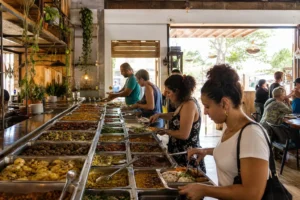 Red-Buffet, Sochi Mixed (European, Russian, Caucasian, Asian, vegetarian)
Main image: AI-generated illustration. It may not show the place exactly as it looks.
Yekaterinburg
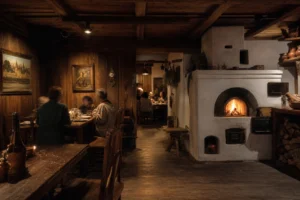 Malinovka, Yekaterinburg Russian, Ukrainian, Mexican
Main image: AI-generated illustration. It may not show the place exactly as it looks.
 Beefstroganoff Grill, Yekaterinburg Russian, Grill, Steakhouse, Seafood
Main image: AI-generated illustration. It may not show the place exactly as it looks.
Russia Vibes Tips
- Plan ahead: Borscht is truly delicious on the second or third day, so make it a day or two before serving to let flavors settle and deepen. Reheat gently on the stovetop.
- Wear gloves when handling beets raw: Beet juice stains hands and fingernails for hours. Cooked beets don't stain as easily.
- Don't overcook cabbage: It should soften to tenderness but not fall apart into the broth. Add it only in the final 10–15 minutes.
- Use meat stock, not just water: Borscht is traditionally made from meat or bone stock, which gives the soup its characteristic depth. Vegetable stock works for vegetarian versions but produces a lighter soup.
- Taste as you go: Every batch of vegetables varies in sweetness. Adjust vinegar and salt gradually at the end rather than all at once.
- Cold borscht in summer: Serve it cold for a light, refreshing meal in the summer or hot to chase away the chill in winter. Cool completely, chill for at least 2 hours, and add sour cream just before serving.
Explore Nearby Borscht, Sochi
Browse more: All Food & Drink · All Food & Drink in Sochi · All Other · All Sochi
FAQ
What is borscht made of?
At its most basic, borscht is made with beets, potatoes, tomatoes and often beef or pork. Traditional borscht is made with beets, cabbage, carrots, potatoes, onions, tomatoes, garlic, and fresh dill simmered in broth, with many families adding beef, pork, or sausage depending on regional and family traditions.
Is borscht Ukrainian or Russian?
Borscht originated in Ukraine, and in 2022 UNESCO recognized Ukrainian borscht cooking as part of the country's cultural heritage. However, it's also a beloved staple all across Russia and Eastern Europe.
Can borscht be made without meat?
Yes. You can make a vegetarian version of this dish by replacing meat with vegetable stock. The soup will be lighter but still flavorful when made with fresh vegetables, tomato paste, and vinegar.
Why is sour cream important in borscht?
The addition of a sour cream-like topping both softens the color and makes the soup silkier. It also balances the earthiness and slight tartness of the soup and is considered traditional.
How long does borscht take to make?
Roughly 2 hours from start to finish. The initial stock needs about 1 hour to develop flavor, and the final soup about another hour of simmering, with most of that time unattended.
Can borscht be served cold?
Borscht can be served hot or cold. Cold borscht (svekolnik) is refreshing in summer. Cool the soup completely, refrigerate for at least 2 hours, and serve chilled with sour cream.
What does borscht taste like?
Because the vegetables and broth are cooked slowly, the flavor doesn't seem rushed; it's calm and well-rounded. The beets lend a tender sweetness offset by the subtle sharpness of vinegar and the distinctive taste of dill; the sweetness, tang, and herbal notes create a harmonious taste experience.
Why does borscht taste better the next day?
Borscht is truly delicious on the second or third day because flavors meld and deepen during storage. Make it ahead and reheat gently for the best flavor.
Russia Vibes is a one-person project. A coffee keeps it going
How we research and update our guides
About this guide: AI assistance and accuracy
This guide is created with the help of AI and is based on official sources where available. Mistakes can still happen. Opening hours, prices, rules and other details are given to the best of our knowledge as of the date shown and can change without notice. It offers general recommendations only, not professional, legal or travel advice. Please confirm important details with the official source before you travel; you are responsible for your own plans and decisions.

Take this guide with you
Get a free PDF of this guide to print or read offline: key facts, tips and a map link on a few clean pages.
Report an issue on this page
Paying for your trip: please read
International sanctions affect payments between Russia and many other countries. In practice, cards issued in the EU, the UK, the US and several other countries often do not work in Russia, Russian cards usually do not work abroad, and some booking platforms, airlines and payment providers limit or suspend their services for Russia. The situation changes frequently.
We do not give legal or financial advice, and this site does not encourage anyone to break or circumvent sanctions. Whatever you plan, you are responsible for following the laws and regulations that apply to you, including those of your country of residence and citizenship.
Many travelers still organise their stay lawfully. It is worth asking your bank or payment provider what is currently permitted, contacting hotels, tour operators and carriers directly about the payment methods they accept, and checking which services are open to customers from your country. Clarify payment, cancellation and refund terms before you commit to a booking, and keep your plans flexible.
Partner links on this site may not be available in every country, and prices, availability and rules in our guides can differ from what you see when you book.