
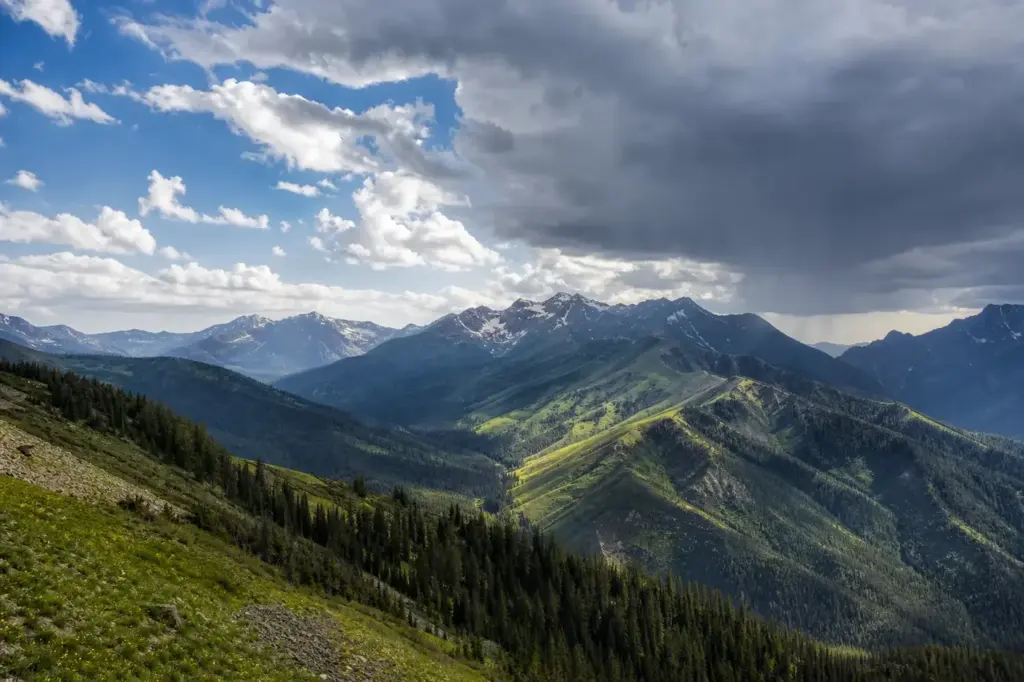
Preparing for Altai Mountain weather requires understanding that conditions change dramatically with elevation and season. How to prepare for Altai Mountain weather is essential for any visitor, whether you’re hiking in summer meadows or approaching high passes—where temperatures can swing by 20 degrees in hours and thunderstorms develop in minutes.
This guide explains what to expect each season, what gear matters most, and how to adapt to the specific hazards of mountain altitude. Follow these steps before you go, and you’ll avoid common mistakes that catch visitors unprepared.
Quick answer: Summer (June–August) is the best time for outdoor activities such as hiking and trekking. Daytime highs reach 20–25°C in valleys but drop to 10–15°C at higher altitudes. The key is layered clothing, a waterproof jacket, and a warm sleeping bag rated to at least −10°C. Allow 2–3 weeks to prepare gear; check weather forecasts daily during your trek.
At a Glance
| Total time | 2–3 weeks to research, acquire and test gear |
|---|---|
| Typical cost | ₽₽₽ |
What You Need Before You Start
- Waterproof, windproof jacket and rain pants—not optional
- Sleeping bag rated to −10°C or lower for summer camping
- Layered clothing: base layers, fleece or down insulation, and wool socks
- Sturdy waterproof hiking boots with good ankle support
- Sunscreen and sunglasses (altitude intensifies UV and light)
- A daypack and water bottle for day hikes
- Trekking poles to reduce leg strain on uneven terrain
Compare Your Options
| Option | Duration | Price | Notes |
|---|---|---|---|
| Summer guided trek (June–August) | 5–10 days | ₽₽₽ | This is the best time for outdoor activities. June to August offer mild temperatures and longer daylight hours, with temperatures between 19–20°C, providing ideal conditions for outdoor activities. Most visitors hike during these months. Tour operators handle permits, guides, camping gear and meals. |
| Independent summer hiking with rented gear | 3–7 days | ₽₽ | Some travelers rent tents, sleeping bags and trekking poles locally to avoid carrying heavy gear on flights. Gas canisters for camp stoves are difficult to find—ask your hotel or tour operator where to obtain them before arrival. You must still hire a guide and obtain permits. Less cost than full-service tours but requires more self-reliance. |
| Autumn hiking (September–early October) | 4–8 days | ₽₽ | Autumn offers spectacular colors and is one of the most stable seasons with fewer storms and more clear, crisp days. By September and October, daytime temperatures are around 15°C and can drop to −15°C at night, so gear must be warm. Fewer tourists than summer; more available guides and lodging. |
| High-altitude mountaineering (Belukha summit) | 7–10 days | ₽₽₽₽ | Belukha is a genuine mountaineering objective involving glacier travel, snow and ice, rapidly changing weather, and significant objective hazards. Only for experienced climbers with mountaineering training. Requires technical equipment, crampons, ice axe, rope. Expert guides essential. Best time is July–September. |
| Spring hiking (late May only) | 3–5 days | ₽₽ | By May, snow begins to melt more rapidly, leading to swollen rivers and streams. Weather is unpredictable, with rapid changes from day to day—visitors may experience sunshine, rain and lingering snow sometimes all in the same day. Only experienced hikers should consider spring; trails are muddy and water crossings are dangerous. |
| Winter mountaineering or snowshoeing | 5–14 days | ₽₽₽₽ | Winters are harsh with snowfall from October to April or May, and temperatures dropping below −20°C in valleys and far lower at elevations. Expert guides, specialist winter mountaineering equipment, and avalanche safety training are mandatory. Only suitable for experienced winter alpinists. |
₽ budget · ₽₽ moderate · ₽₽₽ upscale · ₽₽₽₽ splurge. Price levels are estimates compared with typical prices for visitors.
Step-by-Step Instructions
Step 1: Understand the four seasons and what each brings
Winters are harsh, with snowfall from October to April or May in higher altitudes, and temperatures dropping below −20°C in valleys and far lower at elevations. Summer (June–August) brings daytime highs of 20–25°C in valleys but only 10–15°C at higher altitudes. Spring is transitional, cold into May, and unpredictable, with sunshine, rain and lingering snow sometimes all in the same day. Autumn (September–early October) offers spectacular colors and more stable weather with fewer storms.
Tip: If you're planning a summer trek, June and July offer longer daylight (around 15 hours) which gives you more time on the trail each day.
Step 2: Check weather patterns unique to the Altai
Summer weather is unpredictable, with sudden rain showers and thunderstorms common in afternoons; these can quickly turn into thunderstorms with lightning hazards at exposed higher altitudes. Temperature drops approximately 6°C for every 1,000 meters climbed, and mountain weather is generally colder, more prone to precipitation, and windier compared to lowlands. Deep snow and icy conditions create avalanche risk, particularly at higher altitudes and steeper slopes.
Tip: Monitor cloud formation as you climb: puffy cumulus clouds signal fair weather, but if they grow larger with bumps, they're becoming dangerous cumulonimbus clouds bringing hail, strong winds and lightning.
Step 3: Assemble a layering system, not heavy single jackets
Packing for the Altai is about layers, weather protection, and realism; even in peak summer, warm sun can turn into cold rain or strong wind within hours, so good boots, waterproof shell, insulating layers, and reliable daypack are basics. Start with moisture-wicking base layers (merino wool or synthetic, not cotton), add a warm mid-layer such as fleece or down, and top with a windproof, waterproof jacket. Quick-dry clothing works better than cotton.
Tip: Pack your layers in order in your backpack so you can add or remove them without unpacking everything.
Step 4: Choose a sleeping bag rated for the altitude
Weather in the Altai can change quickly, so proper equipment is essential; a sleeping bag rated to −10°C is recommended. Use 3-season gear to cover from sleeping bag to outer layers, because even in summer, weather and temperatures can drop quickly. Higher altitude camps such as Potanin Glacier base camp at 3,050 meters require a 3-season or winter sleeping bag.
Tip: If you're renting gear locally through a tour operator, confirm the sleeping bag's temperature rating before arrival; gas canisters for stoves are difficult to find independently.
Step 5: Protect against intense mountain sun and wind
Sunglasses and sun protection matter because light at altitude is intense; a warm hat and gloves are worth carrying even in July. Bring sunscreen with at least SPF 30 and reapply every 2 hours, especially on exposed skin and lips. Sunscreen and insect repellent protect against sunburn and bugs. Wind at elevation can be severe; your jacket hood should fit snugly over a hat.
Tip: Burn happens fast at altitude even on cool days—UV radiation is stronger above 2,000 meters.
Step 6: Pack for thunderstorm safety
Rain showers can quickly turn into thunderstorms, with lightning being a hazard in exposed higher altitudes. If caught in a storm, descend immediately at the first warning signs; leave ridges and exposed summits within 15 minutes, reaching an area at least 30 meters below the nearest high point. Carry a lightweight emergency shelter or tent. Avoid carrying metal ice axes or climbing equipment on exposed peaks during storms, and do not use trekking poles as lightning can strike them.
Tip: Afternoon thunderstorms are most common in summer; start your summit push early in the day and plan to descend by early afternoon.
Step 7: Test your gear at home before the Altai
Wear your boots on daily walks for at least two weeks to break them in and ensure they don't cause blisters on the trail. Pitch your tent at home to practice setup in daylight and darkness. Sleep in your sleeping bag to confirm it's warm enough for you—people have different heat retention. Practice using trekking poles to reduce impact on knees on steep descents.
Tip: Blisters are one of the most common problems; bring adhesive blister prevention patches and know how to apply them before pain starts.
Step 8: Plan physical conditioning 3 months ahead
You need solid cardiovascular endurance and the ability to walk 6–8 hours per day on uneven terrain for 10 consecutive days; recommended training includes 3 months of regular hiking or hill-walking building to weekly 15–20 km hikes with a light pack, plus cardio such as running, cycling, or swimming 2–3 times per week. Altitude affects fitness; even fit lowland hikers find breathing harder above 2,500 meters.
Tip: Practice hiking with the exact weight backpack you'll carry; a loaded pack changes muscle groups and body mechanics.
Step 9: Book accommodation and arrange guides for guided trips
To trek in the Altai, visitors must obtain a special trekking permit from local authorities, and hiring a local guide is highly recommended, as they possess deep knowledge of the area, history, and can navigate challenging terrain. Many tour operators include camping gear, cooking equipment, and pack animal support, which means you carry only a lightweight daypack. Book these services at least 6–8 weeks before travel.
Tip: Hiring a local guide is not just safer—they know where water sources are, can forecast weather changes, and manage emergencies.
Common Mistakes to Avoid
- Wearing cotton clothing: Quick-dry clothing works better than cotton, because wet cotton loses insulation and dries slowly in mountain air. Merino wool and synthetic base layers dry fast and retain warmth when damp.
- Underestimating nighttime cold: Even on warm summer days, nighttime temperatures drop to 7–13°C in valleys and below 0°C at altitude. Many visitors pack only a light jacket and shiver through the night. Test your sleeping bag's warmth at home.
- Ignoring afternoon thunderstorms: Summer weather is unpredictable, with sudden rain showers and thunderstorms common, particularly in the afternoons. Experienced hikers plan summit attempts for early morning and plan to be off high ridges by 2 pm.
- Starting without acclimatization: Temperature drops approximately 6°C for every 1,000 meters climbed, and altitude sickness affects fitness and judgment. Spend a day or two at moderate elevation before attempting higher passes.
- Depending on metal water bottles and cooking stoves: In extreme cold, metal absorbs heat from hands and water freezes quickly. Insulated bottles and proper fuel management prevent disasters.
- Forgetting sun protection: Sunglasses and sun protection matter because light at altitude can be intense. Many visitors suffer severe sunburn and lip damage on the first day, leading to pain and infection.
- Traveling without a guide on unfamiliar routes: Hiring a local guide is highly recommended, as they possess deep knowledge of the area and can navigate challenging terrain. Trails are not always marked; weather, water crossings, and terrain hazards require local expertise.
Tickets, Payment and Booking
For guided tours and trekking permits, book through established tour operators specializing in the Altai region. Most tours include guides, camping equipment, meals, and camel or horse support for luggage. Booking in advance (6–8 weeks before travel) ensures guide availability and permit processing.
For independent hiking, you must still obtain a trekking permit from local authorities in the region where you plan to trek. Permits can usually be arranged through a local guide or tour operator who will handle the paperwork. Payment is typically made in cash (Russian rubles) on arrival or by wire transfer before your trip.
Gear rental is available in Gorno-Altaysk and other regional towns for tents, sleeping bags, and trekking poles. Confirm equipment condition and temperature ratings before rental. Stove fuel canisters are scarce; ask your guide or hotel where to obtain them locally.
Russia Vibes Tips
- Arrive 2–3 days early in Gorno-Altaysk to acclimatize to mountain elevation, test gear, and finalize route plans with your guide. This reduces altitude sickness risk and lets you adjust pack weight.
- Download offline maps and carry a paper backup map and compass. Mobile signal is weak or absent in the high mountains, so navigation apps on phones may fail when you need them most.
- Eat frequent, small meals while hiking rather than one large lunch. Fuel your body constantly to maintain energy in thin air. Pack high-calorie snacks such as nuts, dried fruit, chocolate and energy bars.
- Stay hydrated even when you don't feel thirsty. Altitude and dry air cause dehydration without obvious symptoms. Drink 2–3 liters of water daily and carry a water purification method because mountain streams look clean but may carry pathogens.
- Wake early. Summer days are long but weather deteriorates in afternoon. Starting hikes at dawn gives you 7–8 hours of good weather and time to descend before storms develop.
- Carry blister prevention supplies and know how to apply them at the first sign of friction. A blister ruins a trek faster than bad weather; prevent rather than treat.
Explore Nearby How to Prepare for Altai Mountain Weather, Altai Mountains
Related guides
 Altai Mountains: Best Places, Scenic Routes and Travel Tips
Main image: AI-generated illustration. It may not show the place exactly as it looks.
Browse more: All Altai Mountains · All How-To · All How-To in Altai Mountains · All Other
FAQ
Can you trek in the Altai Mountains year-round?
Summer (June–August) is the best time for outdoor activities. Spring is muddy and unpredictable. Autumn (September–early October) is stable but cold at night. Winter requires mountaineering skills and specialist equipment. For most visitors, June–August is the only realistic window.
What temperature should a sleeping bag be rated to?
A sleeping bag rated to −10°C is recommended for summer trekking. At higher altitude camps such as Potanin Glacier base camp (3,050 meters), a 3-season or winter sleeping bag is highly recommended. If camping above 3,000 meters in summer, bring a −15°C bag to stay comfortable.
Can you rent trekking gear in the Altai?
Yes, tents, sleeping bags and trekking poles can be rented in Gorno-Altaysk and other towns. Tour operators also provide gear as part of package tours. Confirm equipment condition and temperature ratings before you commit. Stove fuel canisters are difficult to find locally—coordinate with your guide in advance.
Is a guide mandatory?
To trek in the Altai, you must obtain a special trekking permit from local authorities, and hiring a local guide is highly recommended, as they possess deep knowledge of the area and can navigate challenging terrain. Independent hiking without a permit is not legal, and trails are not always marked.
How much fitness do you need for an Altai trek?
You need solid cardiovascular endurance and the ability to walk 6–8 hours per day on uneven terrain for 10 consecutive days; recommended training includes 3 months of regular hiking building to weekly 15–20 km hikes with a light pack, plus cardio 2–3 times per week. Expect altitude to make any hike feel harder than at sea level.
What is the biggest weather hazard?
Sudden rain showers and thunderstorms are common, particularly in afternoons, and can quickly turn into thunderstorms with lightning being a hazard in exposed higher altitudes. Start early, aim to descend high ridges by 2 pm, and never ignore dark clouds. If caught in lightning, descend immediately.
Do you need acclimatization time?
Yes. Spend 1–2 days at moderate elevation (1,500–2,000 meters) before attempting passes above 2,500 meters. Most people adjust within 48 hours, but some develop mild altitude sickness. Headache, nausea or shortness of breath at rest signal you need more time at lower elevation.
Can you trek solo without a guide?
Legally, you need a permit and a guide. Practically, solo hiking in the Altai is risky: weather changes fast, trails are not always marked, and emergency services are distant. Even experienced mountaineers hire local guides for the Altai.
Russia Vibes is a one-person project. A coffee keeps it going
How we research and update our guides
About this guide: AI assistance and accuracy
This guide is created with the help of AI and is based on official sources where available. Mistakes can still happen. Opening hours, prices, rules and other details are given to the best of our knowledge as of the date shown and can change without notice. It offers general recommendations only, not professional, legal or travel advice. Please confirm important details with the official source before you travel; you are responsible for your own plans and decisions.
Packing for this trip
* Affiliate link: as an Amazon Associate we earn from qualifying purchases at no extra cost to you.

Take this guide with you
Get a free PDF of this guide to print or read offline: key facts, tips and a map link on a few clean pages.
Report an issue on this page
Paying for your trip: please read
International sanctions affect payments between Russia and many other countries. In practice, cards issued in the EU, the UK, the US and several other countries often do not work in Russia, Russian cards usually do not work abroad, and some booking platforms, airlines and payment providers limit or suspend their services for Russia. The situation changes frequently.
We do not give legal or financial advice, and this site does not encourage anyone to break or circumvent sanctions. Whatever you plan, you are responsible for following the laws and regulations that apply to you, including those of your country of residence and citizenship.
Many travelers still organise their stay lawfully. It is worth asking your bank or payment provider what is currently permitted, contacting hotels, tour operators and carriers directly about the payment methods they accept, and checking which services are open to customers from your country. Clarify payment, cancellation and refund terms before you commit to a booking, and keep your plans flexible.
Partner links on this site may not be available in every country, and prices, availability and rules in our guides can differ from what you see when you book.