

The best time to visit Lake Baikal depends on what you want to experience. This guide shows you how to choose the season that matches your travel style: whether you’re drawn to summer hiking and swimming, winter ice adventures, or quieter shoulder seasons.
Lake Baikal transforms dramatically year-round. How to choose the best time to visit Lake Baikal means understanding what each season offers, what the weather will be like, and when crowds peak. Most visitors choose summer (June–August) or late winter (February–March), but spring and autumn have their own appeal for those willing to accept less predictable conditions.
Quick answer: Match your visit to your interests: summer for swimming and hiking; late winter (February–March) for transparent ice and winter sports; June or September for fewer crowds; spring and autumn for solitude and weather unpredictability. Total planning time: 2–4 weeks before travel.
At a Glance
| Total time | Planning takes 2–4 weeks; stay duration depends on season but typically 3–7 days minimum |
|---|
What You Need Before You Start
- Seasonal weather forecast for your planned dates
- Clear list of activities you want to do
- Understanding of ice safety timings (if interested in winter ice)
- Flexible accommodation booking if visiting shoulder seasons
- Cold-weather or warm-weather clothing ready to pack
Compare Your Options
| Option | Duration | Price | Notes |
|---|---|---|---|
| Summer (July–August): peak season | 3–7 days typical | ₽₽₽ | Warmest weather (20–25°C days), longest daylight. Swimming season; hiking, boat tours, and camping available. Peak crowds, especially July and August; accommodation costs highest; occasional rain late August. Best for active travelers who don't mind crowds and higher prices. |
| Late winter (February–March): frozen ice | 3–5 days typical | ₽₽ | Ice fully formed and thickest (1–2 metres), crystal clear. Best time for ice walking, skating, snowmobiling, and ice photography. Days lengthening, sunny, temperatures -15 to -25°C. Few crowds, lower prices. Requires cold-weather gear; ice roads and guided tours necessary for safety. |
| Early summer (late May–early June): solitude | 3–7 days typical | ₽₽ | Fewer tourists; warm days (15–20°C), cool nights. Ice melting creates dramatic patterns. Hiking trails opening, wildflowers. Weather unpredictable; some services not yet open; water still cold (10–12°C). Ideal for photographers and those avoiding crowds; roads becoming passable. |
| Autumn (September): golden forests | 3–5 days typical | ₽₽ | Sunny, warm (15°C+), beautiful foliage. Fewer crowds than summer. Weather becoming unstable; water too cold for swimming; some services closing. Accessible by road; some ferries may be reduced. Best for peaceful hiking and scenery; camera-friendly light. |
| Early winter (November–January): transition | Not recommended | ₽₽ | Unpredictable conditions as ice forms; heavy snowfall in February makes visibility poor; roads can be closed. Ice unsafe or snow-covered. Weather unstable. Accommodations closing. Only attempt if experienced in winter travel or on guided tours. |
| Spring melt (April–early May): unstable | Not recommended | ₽ | Ice melting, roads turning to mud; many services closed; weather highly unpredictable. Scenery can be dramatic (ice melting, flooding streams), but travel is difficult. Only for adventurous travelers; guides essential. |
₽ budget · ₽₽ moderate · ₽₽₽ upscale · ₽₽₽₽ splurge. Price levels are estimates compared with typical prices for visitors.
Step-by-Step Instructions
Step 1: Decide what activities matter most to you
List the activities you want on your Lake Baikal visit. Swimming, kayaking, and hiking require summer (June–August). Walking on solid ice, ice skating, snowmobiling, and ice fishing need winter (February–March). If activities are flexible, you can visit any season. This decision narrows your choices significantly.
Tip: Summer crowds peak in July and August on Olkhon Island; if you want warm weather with fewer people, aim for late June.
Step 2: Evaluate crowd tolerance and accommodation budget
High season (mid-July through mid-August) brings the most tourists and highest prices. Late June and September have fewer visitors but less predictable weather. Winter months are much quieter except during March marathons and special events. Shoulder seasons (late May, early June, September) offer the best balance if you can accept variable weather. Check accommodation availability for your dates—popular locations book months ahead in summer.
Tip: Book accommodations 8–12 weeks in advance for summer. Winter visits can often be arranged with 4–6 weeks' notice.
Step 3: Check ice conditions and freezing timeline
Lake Baikal typically freezes completely by late January, reaching peak ice thickness (1–2 metres) by February. The ice is thickest and clearest in late February and early March—ideal for ice walking and photography. November through January, ice is still forming and can be unsafe or covered with snow. May and June, ice begins melting and is unsafe. If seeing transparent blue ice is important, visit between late February and mid-March when conditions are most reliable.
Tip: Avoid April and early May when melting roads and unsafe ice make travel difficult and unpredictable.
Step 4: Understand summer weather patterns and swimming conditions
Summer runs June through August. Mid-June to mid-July has variable weather and occasional rain but fewer tourists. July is the hottest (around 20°C average air temperature) with peak crowding. August is slightly cooler but water reaches its warmest (up to 18–23°C in shallow bays). Late August often turns rainy. Water temperature in deep areas stays around 9–15°C even in peak summer—very cold for extended swimming. If swimming comfort matters, target sheltered bays on Olkhon Island.
Tip: June is underrated: warm enough for camping and hiking, water is acceptable for hardy swimmers, and crowds haven't arrived yet.
Step 5: Compare shoulder season advantages and limitations
Late May to early June and September offer solitude and beauty (ice melting, meadows flowering in spring; golden forests in autumn). Autumn (September) is sunny and warm but water is already too cold to swim. Spring and autumn weather is less stable—expect rapid changes, cool nights (5–10°C), and fewer open services. Roads in late April and May can be muddy and difficult. These seasons suit photographers and experienced travelers comfortable with unpredictable conditions.
Tip: Spring (late May–early June) is best for ice photography as melting ice creates dramatic cracks and patterns without heavy snow cover.
Step 6: Verify your specific destination's seasonality
Listvyanka (lakeside town) is accessible year-round by road from Irkutsk. Olkhon Island is most accessible summer through early winter; spring can have road washouts. Northern areas can remain icy and difficult into May. If you've chosen a specific settlement or island, check whether transport (ferries, hydrofoils, or ice roads) is operating during your intended dates. Tour operators will know current conditions and can advise.
Tip: Hydrofoil and ferry services run only June through September; winter ice roads exist late February through March; spring transport is most unreliable.
Common Mistakes to Avoid
- Visiting in April or early May expecting ice: the lake is actively melting, roads are muddy and often blocked, and ice is unsafe. If you want frozen landscape, do not visit these months.
- Booking summer accommodation without advance reservations: July and August fill 2–3 months ahead, especially on Olkhon Island. Late-minute visitors end up without rooms or paying inflated prices.
- Assuming you can swim comfortably in summer: even in August, the water stays 9–15°C in deep areas and is only warm (up to 23°C) in shallow bays on the sunniest days. Come prepared with a wetsuit or accept brief dips only.
- Visiting in November through January expecting to walk on ice: the ice is still forming or covered with heavy snow; conditions are unsafe and unpredictable. Late February and March are reliably safe.
- Not checking ice conditions before a winter trip: weather varies year to year. Even in March, unseasonable warmth or heavy snow can affect ice. Verify current conditions with local tour operators before arrival.
- Assuming 'shoulder season' means pleasant and accessible: September and especially spring (May–early June) have beautiful light and fewer crowds but rapid weather changes, cooler nights, and some services closing. Do not assume shoulder seasons are 'easy' versions of summer.
- Visiting during peak festival weekends without booking ahead: Baikal Marathon happens in early March (40km ice run); winter accommodation fills then. If you want solitude in winter, avoid these dates.
Tickets, Payment and Booking
No tickets are required to visit Lake Baikal itself. However, if you book guided tours, accommodation, or transport, plan ahead:
- Summer (June–August): Book accommodation and group tours 8–12 weeks in advance. Hotels, hostels, and tour operators fill quickly.
- Winter (February–March): Book guided ice tours 4–6 weeks ahead. Most visitors hire local guides for safety on the frozen lake.
- Shoulder seasons: 4–8 weeks advance booking is usually sufficient.
- Tour operators in Irkutsk offer package tours that include transport from the city, accommodation, and guided activities. Official websites of hotels and tour companies accept credit cards.
- Avoid online resellers and unofficial agents; book directly with hotels, transport operators, or established tour companies.
Helpful Links
Advertisement: these are partner links. If you book or buy through them, we may earn a commission at no extra cost to you.
Russia Vibes Tips
- June is the hidden gem: summer weather is arriving, water is cool but manageable for swimming, crowding hasn't peaked, and prices are lower than July–August.
- Late February and early March offer the clearest ice with the least snow cover: if transparent blue ice and stunning photographs are your goal, these weeks are optimal. March is sunnier than January.
- Pack layers even in summer: overnight temperatures drop to 5–10°C. Siberia's continental weather means rapid changes. A warm jacket or fleece is essential even in July.
- If you're torn between summer and winter, consider visiting twice: each season reveals a completely different lake. Summer shows green taiga and sapphire water; winter shows crystal ice and stars.
- September is underrated for photographers: golden larch forests, clear light, and peaceful lakeshores. Do not expect to swim, but expect beautiful shots and solitude.
- Travel to Lake Baikal from Irkutsk: the journey itself takes time, so budget 1–2 days for transport alone. Do not rush; allocate at least 3–4 days at the lake to justify the journey.
Explore Nearby How to Choose the Best Time to Visit Lake Baikal, Lake Baikal
Sights near How to Choose the Best Time to Visit Lake Baikal, Lake Baikal
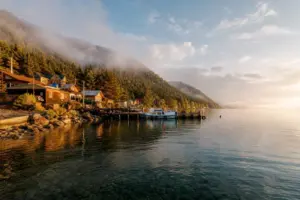 Listvyanka, Lake Baikal · typical visit: 2–3 days
Main image: AI-generated illustration. It may not show the place exactly as it looks.
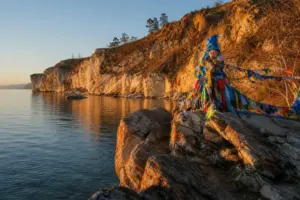 Olkhon Island, Lake Baikal · typical visit: 2–3 days
Main image: AI-generated illustration. It may not show the place exactly as it looks.
 Shamanka Rock, Lake Baikal · typical visit: 30–45 minutesOpen 24 hours
Main image: AI-generated illustration. It may not show the place exactly as it looks.
Related guides
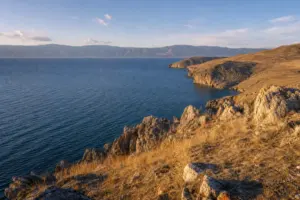 Lake Baikal: Where to Go, What to See and How to Visit
Main image: AI-generated illustration. It may not show the place exactly as it looks.
Browse more: All Day Trips · All How-To · All How-To in Lake Baikal · All Lake Baikal
FAQ
What is the absolute best time to visit Lake Baikal?
There is no single answer—it depends on your priorities. For swimming and warmth: July–August. For frozen ice and winter sports: late February–March. For fewer crowds and good weather: late June or September. For solitude and natural drama: late May–early June (ice melting) or September (autumn colours).
Is Lake Baikal safe to walk on in winter?
The lake usually freezes in late January or early February, though timing varies; by late February or March, ice is thick and safe enough for travel. Always visit with proper cold-weather gear and local guides in winter. Do not attempt to walk on ice in January or early February when it's still forming.
Can I swim at Lake Baikal?
Water temperatures stay below 9°C even in summer, warming only to 15–22°C in shallow bays on sunny days. Pack warm clothing even in summer, and bring insulated gear if visiting in winter. Swimming is possible in shallow bays in peak summer (late July–August) for brief periods only.
When does Lake Baikal freeze?
The lake surface freezes for about 4–5 months, from early January to early May–June. The lake usually only freezes over in late January or early February, though timing varies year to year. Late February and March offer the most reliable and spectacular ice conditions.
How long should I stay at Lake Baikal?
Budget at least 3–4 days at the lake itself (plus 1–2 days for travel from Irkutsk). A week is ideal to explore multiple areas or combine activities. Long weekends (3 days) work for focused trips, but feel rushed given travel time from Irkutsk.
Is Lake Baikal crowded in summer?
July and August are the busiest season, especially on Olkhon Island. June has fewer tourists as it's the start of summer. September is still sunny and warm with no wind but fewer crowds.
What's the weather like at Lake Baikal?
Summer (June–August) has low rainfall and average temperatures of 18°C in July. Winter temperatures average -18°C. Even in summer, temperatures can drop significantly in evenings. Always pack layers regardless of season.
When should I avoid visiting Lake Baikal?
April and early May should be avoided; the lake starts to melt and roads around it are blocked with mud. November through January has unpredictable ice conditions and heavy snow. These periods are difficult for all visitors and even experienced travelers.
Russia Vibes is a one-person project. A coffee keeps it going
How we research and update our guides
About this guide: AI assistance and accuracy
This guide is created with the help of AI and is based on official sources where available. Mistakes can still happen. Opening hours, prices, rules and other details are given to the best of our knowledge as of the date shown and can change without notice. It offers general recommendations only, not professional, legal or travel advice. Please confirm important details with the official source before you travel; you are responsible for your own plans and decisions.
Packing for this trip
* Affiliate link: as an Amazon Associate we earn from qualifying purchases at no extra cost to you.

Take this guide with you
Get a free PDF of this guide to print or read offline: key facts, tips and a map link on a few clean pages.
Report an issue on this page
Paying for your trip: please read
International sanctions affect payments between Russia and many other countries. In practice, cards issued in the EU, the UK, the US and several other countries often do not work in Russia, Russian cards usually do not work abroad, and some booking platforms, airlines and payment providers limit or suspend their services for Russia. The situation changes frequently.
We do not give legal or financial advice, and this site does not encourage anyone to break or circumvent sanctions. Whatever you plan, you are responsible for following the laws and regulations that apply to you, including those of your country of residence and citizenship.
Many travelers still organise their stay lawfully. It is worth asking your bank or payment provider what is currently permitted, contacting hotels, tour operators and carriers directly about the payment methods they accept, and checking which services are open to customers from your country. Clarify payment, cancellation and refund terms before you commit to a booking, and keep your plans flexible.
Partner links on this site may not be available in every country, and prices, availability and rules in our guides can differ from what you see when you book.