
This guide covers the seasonal experiences, Yekaterinburg offers across all four seasons. Yekaterinburg’s continental climate creates dramatically different activities and atmospheres from one time of year to the next. Whether you visit during frozen winters or warm summers, the city transforms to offer distinct pleasures—from ice skating on frozen ponds to open-air music festivals.
The list includes twelve seasonal highlights verified as regularly available: indoor and outdoor pursuits suited to weather and daylight, festivals and events that recur annually, and year-round venues that shift what they offer by season. Each entry explains what makes it distinctive at that time of year, what to expect, and how to visit.
At a Glance
| # | Place | Best for | Good to know |
|---|---|---|---|
| 1 | Ural Music Night | Summer festival, outdoor stages | Multiple venues citywide; late June; paid entry for main stages, free access to many street performances. Check official schedule. |
| 2 | Victory Park | Year-round outdoor activities | Yekaterinburg's main park; year-round; free entry, paid rentals and café. Check rental availability seasonally. |
| 3 | Plotinka (Iset River Dam) | Seasonal gathering spot | Central embankment in old town; free access; paid skating rental in winter. No specific hours. |
| 4 | Lake Shartash | Summer swimming and kayaking | South of city center, accessible by local transport; summer months; free access, paid rentals for equipment. Check water quality before visiting. |
| 5 | Kharitonov Garden Festival | August outdoor festival | Kharitonov Garden (city location); August; free admission, paid food and craft items. Check website for current dates. |
| 6 | Yekaterinburg Opera and Ballet Theatre | Winter indoor culture | Central city location; October to May; paid tickets. Book in advance for popular shows. |
| 7 | Ural Museum of Fine Arts | Year-round cultural venue | Yekaterinburg center; year-round; paid admission. Check website for exhibition schedule and hours. |
| 8 | Botanical Garden of Ural Federal University | Spring and summer garden | University campus location; year-round; paid admission. Spring and summer peak times. |
| 9 | Mekhanika Electronic Music Festival | August music festival | Various outdoor venues; mid-August; check website for location and ticket prices. |
| 10 | EverJazz Open-Air Festival | Late June outdoor jazz | City park or outdoor venue; late June; check website for location and admission. |
| 11 | Vysotsky Park | Year-round urban viewpoint | Trendy park area (Vysotsky Tower); year-round; paid admission to tower. Check hours. |
| 12 | Spring and Autumn Walking Routes | Mild-weather city exploration | City-wide; May and September optimal; free. Comfortable walking shoes essential. |
How We Chose
Entries were selected based on:
- Recurrence and reliability: festivals and activities that take place every year at the same season, or venues that remain open year-round with seasonal programming
- Weather suitability: indoor options for harsh winters, outdoor pursuits for mild seasons
- Verified operation: checked against official city sources and contemporary travel guides as of October 2026
- Practical accessibility: reachable by public transport, within city limits or nearby day-trip distance
- Usefulness for first-time visitors: mix of iconic seasonal attractions and activities locals rely on
1. Ural Music Night – Summer festival, outdoor stages
One of Yekaterinburg's signature June events transforms the city into an open-air concert venue. Hundreds of musicians perform classical, jazz, and contemporary music across multiple stages and venues throughout the city. The festival draws local and international performers and creates a vibrant night atmosphere that celebrates music across genres. It's a peak summer event; book accommodation well in advance.
Good to know: Multiple venues citywide; late June; paid entry for main stages, free access to many street performances. Check official schedule.
Tip: Many performances are free on public squares and embankments—explore side streets to discover informal concerts rather than focusing only on ticketed main stages.
2. Victory Park – Year-round outdoor activities
This large park transforms with the seasons. In summer, it fills with picnic blankets, barbecue gazebos, and ice-cream carts as locals gather on rolling lawns. Spring and autumn bring quieter walking paths and rental bikes. Winter turns it into a cross-country skiing and sledding venue with equipment available for rent. The park's café serves traditional Russian food year-round, making it a reliable seasonal escape from the city.
Good to know: Yekaterinburg's main park; year-round; free entry, paid rentals and café. Check rental availability seasonally.
Tip: In summer, arrive early on weekends to secure shaded picnic spots; winter visitors should confirm ski rental availability before heading out.
3. Plotinka (Iset River Dam) – Seasonal gathering spot
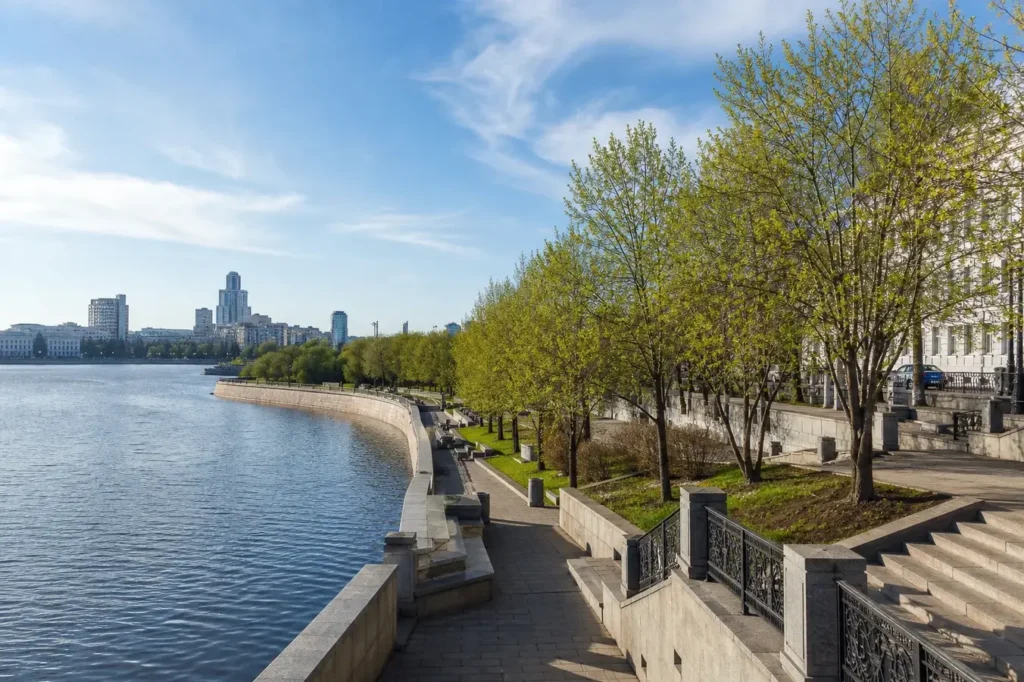
The historic dam on the Iset River serves as Yekaterinburg's heart and gathering place. Summer brings street musicians, outdoor chess matches, and vendor stalls along the embankment. Winter freezes the pond below the dam, turning it into a skating rink where locals skate and children play. The area offers year-round river walks and views, but the social energy shifts dramatically with temperature.
Good to know: Central embankment in old town; free access; paid skating rental in winter. No specific hours.
Tip: In winter, rent skates on-site rather than bringing your own, as rink conditions vary; in summer, visit early morning for quieter atmosphere and best photography light.
4. Lake Shartash – Summer swimming and kayaking
Situated on the city's outskirts, this lake becomes a summer destination when temperatures warm. Swimming and kayaking are the main warm-season activities. The surrounding park offers shaded walking paths and picnic facilities. The water temperature and clarity make it most pleasant in July and August. It transforms into a frozen landscape in winter, though the frozen lake attracts some winter walkers.
Good to know: South of city center, accessible by local transport; summer months; free access, paid rentals for equipment. Check water quality before visiting.
Tip: Go mid-week to avoid summer crowds; bring sunscreen and insect repellent, as mosquitoes can be active near the lake.
5. Kharitonov Garden Festival – August outdoor festival
Every August, this outdoor festival showcases local art, culture, and regional cuisine in a green garden setting. It combines art displays, live music, food vendors, and craft workshops. The relaxed atmosphere and warm weather make it an ideal way to experience Yekaterinburg's creative community. The specific dates vary yearly, so advance planning is essential.
Good to know: Kharitonov Garden (city location); August; free admission, paid food and craft items. Check website for current dates.
Tip: Arrive on a weekday afternoon to avoid crowds and enjoy longer conversation with artists and vendors.
6. Yekaterinburg Opera and Ballet Theatre – Winter indoor culture
The ornate theatre runs its full performance season from autumn through spring, making it an ideal indoor refuge during harsh winters. Productions include classical ballet, opera, and contemporary works. The building itself is architecturally impressive, and the festive atmosphere during December and January adds to the appeal. Spring performances continue into May.
Good to know: Central city location; October to May; paid tickets. Book in advance for popular shows.
Tip: Winter performances sell quickly; book early. Check for student or group discounts, and note that some shows may have long waiting lists.
7. Ural Museum of Fine Arts – Year-round cultural venue
The largest art museum in the region stays open year-round and becomes especially appealing during harsh winter weather. The collection focuses on Russian and Ural art across centuries. Special exhibitions rotate through the year, adding seasonal interest. It's a reliable half-day indoor activity when temperatures drop below comfort levels.
Good to know: Yekaterinburg center; year-round; paid admission. Check website for exhibition schedule and hours.
Tip: Winter visits tend to be less crowded than summer; ask staff about any contemporary Ural artist exhibitions running during your visit.
8. Botanical Garden of Ural Federal University – Spring and summer garden
This compact green space showcases Ural and alpine plants in outdoor beds and glasshouses. Spring brings the first blooms after snow melt, making it especially rewarding in May. Summer visitors explore the grounds in warm weather. The glasshouses remain active year-round but are most pleasant to visit during colder months when their warmth is a bonus. It offers a low-energy break from urban sightseeing.
Good to know: University campus location; year-round; paid admission. Spring and summer peak times.
Tip: Visit in late May when alpine flowers bloom, or on rainy days when glasshouses provide shelter and humidity creates a tropical feel.
9. Mekhanika Electronic Music Festival – August music festival
Held in mid-August, this festival draws electronic music fans from across the region. It typically features multiple stages, DJs, and live electronic performances. The outdoor summer setting creates a festival atmosphere unique in Yekaterinburg's calendar. Dates and formats vary, so confirm details before planning.
Good to know: Various outdoor venues; mid-August; check website for location and ticket prices.
Tip: Book transport or accommodation early if attending; the festival attracts visitors from across the Urals.
10. EverJazz Open-Air Festival – Late June outdoor jazz
This outdoor jazz festival typically occurs at the end of June, creating a summer evening music experience. Jazz remains popular in Yekaterinburg, and the open-air format adds to the relaxed atmosphere. The festival fits between the earlier Ural Music Night and August festivals, offering mid-summer cultural options.
Good to know: City park or outdoor venue; late June; check website for location and admission.
Tip: Jazz events often happen in sequence—check whether EverJazz coincides with other June festivals to plan the best route.
11. Vysotsky Park – Year-round urban viewpoint
This modern park and observation tower offers city views year-round but feels especially pleasant in spring and autumn when weather is mild. The tower provides panoramic views of Yekaterinburg and surrounding landscape. In summer, the extended daylight and sunset views make it a popular evening destination. Winter visits reward visitors with snowy landscape views.
Good to know: Trendy park area (Vysotsky Tower); year-round; paid admission to tower. Check hours.
Tip: Visit at golden hour (early evening in spring/summer or late afternoon in winter) for the best light and fewer crowds.
12. Spring and Autumn Walking Routes – Mild-weather city exploration
May and September offer ideal temperatures for walking Yekaterinburg's streets and discovering neighborhoods on foot. Spring brings blooming parks and longer daylight; autumn offers crisp air and colorful foliage. Both seasons have fewer crowds than summer and more comfortable weather than winter. Constructivist architecture stands out clearly in clear spring light or golden autumn sun.
Good to know: City-wide; May and September optimal; free. Comfortable walking shoes essential.
Tip: Plan routes to include parks and embankments; early morning walks reveal local routines and avoid tourist concentrations.
Russia Vibes Tips
- Yekaterinburg's winter temperatures regularly drop below -20°C (–4°F), sometimes to -30°C and lower. Winter visits require serious cold-weather clothing (layered insulation, insulated boots, face protection) and realistic expectations about outdoor time. Many visitors overestimate their cold tolerance; plan indoor activities as backups.
- Summer (June–August) is peak tourist season with higher accommodation prices and crowded attractions. Late May and September offer pleasant weather with notably fewer visitors and lower costs. Book hotels in these shoulder seasons well in advance despite lower traffic.
- Major festivals (Ural Music Night in June, Mekhanika in August, Kharitonov Garden Festival in August) require advance booking for accommodation and often have limited seating or standing room for ticketed main stages. Free street performances often provide equal quality with no booking required.
- Spring comes late: April still has snow and freeze-thaw cycles; May is when reliable warmth arrives. Autumn lingers longer: September feels like summer, October still permits outdoor activities, but November rapidly turns cold and dark. Plan accordingly with appropriate clothing layers.
- December–January brings Orthodox Christmas (January 7) and New Year celebrations with holiday markets, decorations, and special programming at museums and theaters. These holidays transform the city atmosphere despite the cold, making them worth planning around if you enjoy festive settings.
- River walks along the Iset River embankment feel completely different by season: summer boat traffic and street vendors, autumn reflections and fewer crowds, winter frozen banks with ice-skaters, spring snowmelt and longer daylight. Choose your seasonal river experience based on what appeals most.
Explore Nearby Seasonal experiences, Yekaterinburg
Browse more: All Guides · All Guides in Yekaterinburg · All Seasonal · All Yekaterinburg
FAQ
When is the best time to visit Yekaterinburg?
May to July offers warm weather and long daylight, ideal for outdoor activities and festivals. September provides pleasant temperatures and fewer crowds. Winter attracts cold-weather enthusiasts but requires serious preparation. Summer is peak season with higher prices and crowding. Choose based on your tolerance for cold and preference for crowds versus quiet exploration.
Can you visit Yekaterinburg in winter?
Yes, but only with appropriate cold-weather gear and realistic expectations. Temperatures drop below -20°C regularly. The upside: frozen skating areas, fewer tourists, cozy indoor cultural venues, and snowy landscape photography. Outdoor time becomes short; plan indoor museums and theaters as primary activities, with brief outdoor walks in midday warmth.
What are the main seasonal festivals?
Ural Music Night (June, multiple genres), EverJazz (late June, outdoor jazz), Mekhanika (August, electronic music), and Kharitonov Garden Festival (August, art and food) are the recurring major events. Dates and formats vary yearly; check official sources before planning. Many festivals offer free street performances alongside ticketed main stages.
Is summer the only time for outdoor activities?
No. Spring (May) and autumn (September) offer comfortable temperatures, fewer crowds, and excellent conditions for walking, parks, and embankment time. Winter allows ice skating, cross-country skiing at Victory Park, and sledding. Only extreme cold (below -25°C) truly limits outdoor time; many winter days allow short excursions in midday warmth.
What's the difference between summer and shoulder seasons?
Summer (June–August) brings peak crowds, highest prices, long daylight, outdoor festivals, and lake swimming. Late May and September offer mild weather, notably fewer visitors, lower accommodation costs, and quieter exploration. Winter remains harsh regardless. Shoulder seasons suit travelers seeking authentic local atmosphere without peak-season pressures.
Do attractions have seasonal closures?
Museums and theaters stay open year-round with full programming. Outdoor venues like Plotinka, parks, and embankments remain accessible in all seasons. Lake Shartash and some outdoor rentals have limited or closed hours in winter. Check official websites for specific seasonal hours, particularly for cultural venues and parks.
What should I pack for different seasons?
Winter: heavy insulated coat, insulated boots, hat, gloves, face protection, layers. Spring and autumn: layers, comfortable walking shoes, light jacket, umbrella. Summer: light clothing, sunscreen, hat, comfortable walking shoes, insect repellent for lake areas. All seasons: comfortable waterproof walking shoes for urban exploration.
Are there any seasonal markets or special shopping events?
December and early January feature holiday markets with festive goods and food. Sandarina Market (local designer market with fashion, crafts, and food) occurs quarterly year-round; check schedules for exact dates. Trade shows and exhibitions happen throughout the year at various venues but are business-focused rather than tourist-oriented.
Russia Vibes is a one-person project. A coffee keeps it going
How we research and update our guides
About this guide: AI assistance and accuracy
This guide is created with the help of AI and is based on official sources where available. Mistakes can still happen. Opening hours, prices, rules and other details are given to the best of our knowledge as of the date shown and can change without notice. It offers general recommendations only, not professional, legal or travel advice. Please confirm important details with the official source before you travel; you are responsible for your own plans and decisions.

Take this guide with you
Get a free PDF of this guide to print or read offline: key facts, tips and a map link on a few clean pages.
Report an issue on this page
Paying for your trip: please read
International sanctions affect payments between Russia and many other countries. In practice, cards issued in the EU, the UK, the US and several other countries often do not work in Russia, Russian cards usually do not work abroad, and some booking platforms, airlines and payment providers limit or suspend their services for Russia. The situation changes frequently.
We do not give legal or financial advice, and this site does not encourage anyone to break or circumvent sanctions. Whatever you plan, you are responsible for following the laws and regulations that apply to you, including those of your country of residence and citizenship.
Many travelers still organise their stay lawfully. It is worth asking your bank or payment provider what is currently permitted, contacting hotels, tour operators and carriers directly about the payment methods they accept, and checking which services are open to customers from your country. Clarify payment, cancellation and refund terms before you commit to a booking, and keep your plans flexible.
Partner links on this site may not be available in every country, and prices, availability and rules in our guides can differ from what you see when you book.