
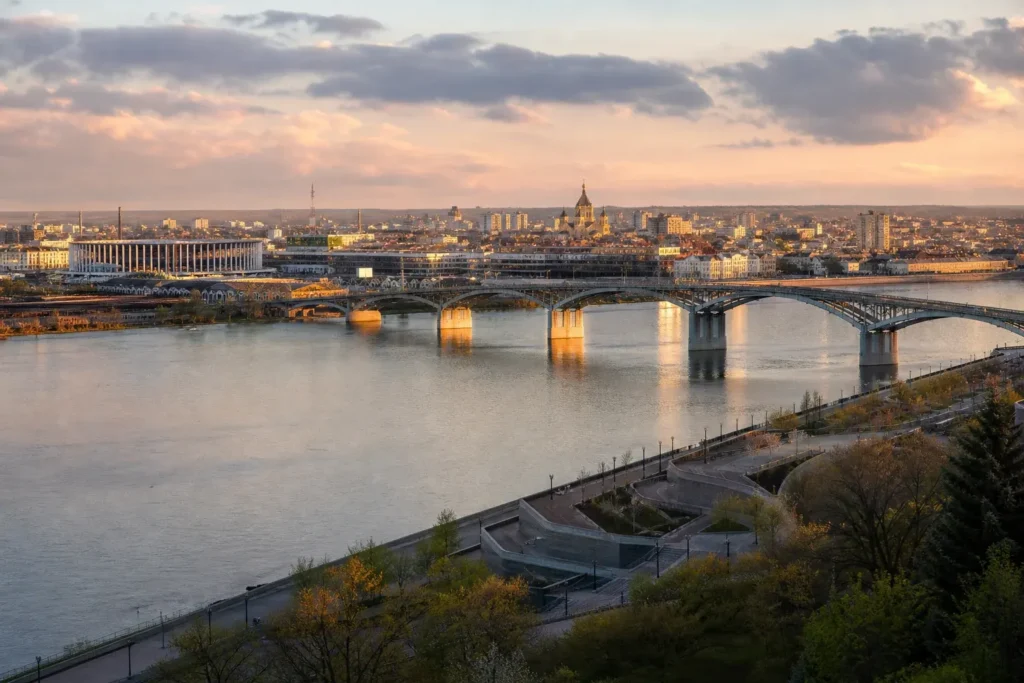
Kanavinsky City District is one of the oldest districts of Nizhny Novgorod and today is one of the largest industrial districts in the city. The neighborhood’s character is defined by its role as a major transport and commercial hub. It is a traffic centre of both the internal and external transportation lines of all-Russian importance, with the Cargo Terminal of River Port, Main Train Station, and one of the major motor-coach terminals located here.
Old Kanavino includes the territory of the Fair, the Spit (where the Oka and Volga rivers meet), and Gordeevka, with landmarks including the Fair and Main Fair Building, Moskovsky railway station with the adjacent square and Central Department Store, and many 19th-century mansions. On the eve of the World Cup in 2018, the territory underwent major reconstruction.
Quick Facts
| Russian name | Канавинский район |
|---|---|
| Address | OpenStreetMap · Google Maps |
| District | Nizhny Novgorod |
| Metro | Moskovskaya (Line 1 and Line 2, near railway station) Kanavinskaya (Line 2, shopping areas) |
| Best time to visit | Spring (April–May) and autumn (September–October) offer the most pleasant weather for walking the embankment and exploring outdoors. Crowds are moderate these seasons, and the Fedorovsky Embankment is particularly attractive with river breezes and natural light.Summer is warm but can be busy with arriving and departing travelers. Winter is possible but cold and gray; snow may limit embankment access, though the railway station remains fully functional and the Fair grounds host winter markets.Weekdays are quieter than weekends at the Fair grounds. Morning hours (before 11:00) at the railway station are busy with commuters, while afternoons are more relaxed. |
| Recommended duration | 3–4 hours |
What Is (and Isn't) Part of a Visit to Kanavino, Nizhny Novgorod?
| Part | Status | Notes |
|---|---|---|
| Nizhny Novgorod Fair (Yarmarka) grounds and buildings | Included in the standard ticket | The open-air fairground is accessible to visitors; some exhibition halls and shops require separate tickets or payments. |
| Alexander Nevsky Cathedral | Separate ticket or institution | Located on the Fair grounds; worship or viewing is free during posted hours, but respectful dress is required. |
| Moskovsky Railway Station | Included in the standard ticket | The station hall and main areas are accessible; you may walk through without a ticket, but ticket purchase is required to board trains. |
| Fedorovsky Embankment (opposite bank) | Outside / not part of it | Located across the Oka River on the opposite bank; not part of Kanavino but offers the best views of the district. |
| Nizhny Novgorod Kremlin | Outside / not part of it | Located in the historic center across the Oka River; a separate major attraction with its own admission. |
| Church of Our Lady of Smolensk in Gordeevka | Included in the standard ticket | An active Orthodox church; visiting during worship is respectful and free, though donations are appreciated. |
Why Visit Kanavino, Nizhny Novgorod?
The famous Nizhny Novgorod Fair was opened in Kanavino on July 15, 1822, moved here from the village of Makaryevo, and it became the main trading and exchange center of Russia. Today the district remains the gateway to the city, offering access to key attractions and serving as the primary arrival point for visitors.
The neighborhood provides insight into Russia’s 19th-century commercial prosperity and 20th-century industrial growth. Kanavinsky district is a large shopping centre with an extensive network of food and manufactured goods markets, shops, and public service establishments. The blend of historic architecture, river views, and modern infrastructure makes it an essential part of understanding Nizhny Novgorod.
How Kanavino, Nizhny Novgorod Is Laid Out
Kanavinsky district stretches across both sides of the Oka River. The core historic zone centers on the Nizhny Novgorod Fair grounds and radiates toward the Moskovsky railway station—the district’s most prominent landmark, visible across the city. The Fair’s main exhibition area now includes the Alexander Nevsky Cathedral and shopping complexes built on the grounds.
The district is divided into older and newer sections. Old Kanavino, closer to the river, preserves 19th-century mansions and churches, while newer areas extend inland. Two metro stations serve the district: Moskovskaya (connecting Lines 1 and 2) sits directly below the railway station, and Kanavinskaya lies slightly to the south on Line 2. The Fedorovsky Embankment on the opposite (Oka) bank provides the best views of the district’s skyline.
Highlights of Kanavino, Nizhny Novgorod
Nizhny Novgorod Fair grounds (Yarmarka)
The famous Nizhny Novgorod Fair was opened here on July 15, 1822, moved from Makaryevo village. It became the main trading and exchange center of Russia, and in 1896 the All-Russia Exhibition was held here with a tram launch. The historic fairground occupies a large area that now blends preserved buildings with modern developments. Walk the grounds to see how the layout once served as Russia's most important trade hub.
Tip: Check for current exhibitions or events at the Fair; the grounds host seasonal markets and festivals.
Alexander Nevsky Cathedral
The Alexander Nevsky Cathedral is a Russian Orthodox cathedral church located in the Kanavinsky city district on the former territory of the Nizhny Novgorod Fair. It is one of the unofficial symbols of Nizhny Novgorod. Built with a distinctive golden dome, the cathedral dominates the fair area's skyline and functions as both an active place of worship and a landmark.
Tip: Visit in late afternoon when the dome catches the lowering sun and glows brightly, ideal for photography.
Moskovsky Railway Station
The Moskovsky Railway Station is located in Kanavino and receives the famous high-speed trains 'Lastochka' and 'Sapsan,' which deliver passengers from Moscow in 3.5–4 hours. The station is also a major hub for long-distance trains heading to Siberia and the Far East. The station sits on Revolution Square alongside the Central Department Store, which reopened after recent renovation.
Tip: The station's grand facade is best photographed from Revolution Square in the morning or afternoon when it is well lit.
Church of Our Lady of Smolensk in Gordeevka
The Church of Our Lady of Smolensk (1694–97) survives in the former village of Gordeyevka (now part of Kanavinsky District), where the Stroganov palace once stood. This is one of the oldest surviving structures in the district, reflecting its pre-industrial heritage as a separate settlement before its 1928 incorporation into Nizhny Novgorod.
Tip: This church is quieter and less visited than main-area sights; it offers a glimpse of village-era architecture before industrialization.
Kanavinsky Bridge
The first stone Oksky bridge appeared in the city in 1929, connecting the banks of the Oka, and is now called Kanavinsky. The Fedorovsky Embankment goes from the Kanavinsky Bridge to the monument to Minin and Pozharskiy located in front of the Kremlin. The bridge is an important traffic artery and viewpoint for photographing the district and opposite embankment.
Tip: Walk across the bridge at sunset to see the Kremlin and city center illuminate; the embankment on the Oka side is a popular promenade.
Industrial heritage and Soviet-era transformation
In 1929, the first enterprise of the Ford factories in Russia, Automobile Assembly Plant No. 1, was organized here, with the first Soviet truck Ford leaving the factory gates on February 1, 1930. In 1919, Kunavino received the status of a city under the name 'Kunavino', and since 1928 it became part of Nizhny Novgorod during industrialization. The district's factories shaped Soviet manufacturing.
Tip: The industrial landscape is understated; factories remain functional but not all are open to visitors—inquire locally about any museum-worthy sites still operating.
Atmosphere
Kanavinsky district pulses with practical energy rather than leisurely charm. The railway station and bus terminal bring constant flow—businesspeople, travelers, and daily commuters shape the crowds, particularly during morning and evening rush hours. Around the Fair and station, the pace quickens; noise from traffic and announcements fills the air.
The historic core near Old Kanavino feels calmer. 19th-century mansions and church spires suggest the neighborhood’s merchant past, but many are now absorbed into modern storefronts and offices. On weekdays, the district functions as a working city; on weekends, families visit the Fair grounds or stroll the embankment. The Fedorovsky Embankment across the river offers respite—a quieter zone with river views, particularly pleasant in spring and autumn when weather permits lingering outdoors.
The overall mood is utilitarian: this is how a Russian city actually moves people and goods, less touristic than the Kremlin side but more authentic to how Nizhny Novgorod works.
History of Kanavino, Nizhny Novgorod
The name Kanavino has disputed origins. One legend, however rejected by philologists, claims that on the left bank of the Oka there was a tavern belonging to a certain godfather, and lovers of revelry would shout ‘Kuma, wine!’ This legend formed the basis of the famous opera by P. I. Tchaikovsky, ‘The Enchantress.’ The transition from ‘Kunavino’ to ‘Kanavino’ occurred in the first half of the 20th century.
On July 15, 1822, the famous Nizhny Novgorod Fair was opened in Kunavino, moved here from the village of Makaryevo. It became the main trading and exchange center of Russia. In 1896, the All-Russia Exhibition was held at the fair and a tram was launched. The Fair transformed Kanavino from a small settlement into a commercial powerhouse, with merchants from across Russia and abroad converging each year.
In 1919, Kunavino received the status of a city, and instead of the name ‘Kunavino’, ‘Kanavino’ gradually began to be used. Until 1928, Kanavino was an independent administrative unit, and since 1928 it became part of Nizhny Novgorod. The incorporation marked the end of Kanavino’s independent city status but expanded its role as a district within a larger urban center.
In 1929, the first enterprise of the Ford factories in Russia, Automobile Assembly Plant No. 1, was organized here, with the first Soviet truck Ford leaving the factory gates on February 1, 1930. Industrialization reshaped the district’s economy and landscape. Factories, warehouses, and worker housing replaced merchant estates. During the Soviet era, Kanavino became a center of Soviet manufacturing and logistics.
On the eve of the World Cup in 2018, the territory of old Kanavino underwent major reconstruction. Modern improvements to the Fair grounds, embankment, and public spaces have attempted to honor the district’s heritage while adapting it for contemporary use. Today, Kanavinsky remains a working district where history coexists with function.
Legends and Myths about Kanavino, Nizhny Novgorod
The godfather's tavern and Tchaikovsky's opera
Legend – historically unreliable. According to one legend, on the left bank of the Oka there was a tavern belonging to a certain godfather, and lovers of revelry and drunkenness from the river, approaching the tavern, shouted 'Kuma, wine!' This legend formed the basis of the famous opera by P. I. Tchaikovsky, 'The Enchantress.' This version is, however, rejected by philologists as untenable.
Tickets and Booking for Kanavino, Nizhny Novgorod
Kanavinsky district is an open neighborhood; most public areas are free to access. The Nizhny Novgorod Fair grounds are open to pedestrian traffic without charge, though shops and exhibitions within the Fair may charge separately. Alexander Nevsky Cathedral is free to enter during operating hours; photography inside may be restricted. For specific exhibitions or paid events on the Fair grounds, consult local sources for current schedules and fees.
Suggested itineraries Kanavino, Nizhny Novgorod
3 hours
Start at Moskovskaya metro station and emerge into Revolution Square to view the railway station facade. Walk to the nearby Fair grounds and the Alexander Nevsky Cathedral. Stroll through the Fair's main exhibition areas and browse the shops. Head toward the Kanavinsky Bridge and cross it for views back toward the district. Return to the metro via Kanavinskaya station.
Half day
Explore the Fair grounds and Cathedral in the morning. Visit the Church of Our Lady of Smolensk in Gordeevka (short taxi or bus ride inland). Lunch at a nearby shop or café. Walk the Kanavinsky Bridge and descend to the Fedorovsky Embankment on the opposite shore for river views and the promenade walk. If time permits, explore the Central Department Store on Revolution Square.
Full day
Morning: Railway station and Revolution Square. Mid-morning: Fair grounds and Alexander Nevsky Cathedral with photos. Lunch in the district's cafés. Afternoon: Gordeevka church visit. Late afternoon: Kanavinsky Bridge crossing and Fedorovsky Embankment walk to catch sunset. Evening: Stroll the embankment promenade and return to the metro as dusk falls.
How to Get to Kanavino, Nizhny Novgorod
By metro: Kanavinskaya station opened on December 20, 1993 on the Sormovskaya line (Line 2) between Moskovskaya and Burnakovskaya. From Kanavinskaya, exit toward the central shopping areas. Alternatively, use Moskovskaya station (Lines 1 and 2), which sits directly below the railway station and is the district’s main hub.
By train: The Moskovsky Railway Station is the main arrival point, receiving high-speed trains from Moscow in 3.5–4 hours. From the station, signs direct you to the metro below or to street-level exits leading to Revolution Square.
By bus or taxi: The Kanavino Bus Station is near the Moskovsky Railway Station. Taxis and ride-sharing apps serve the area; using metro is often faster during rush hours.
Accessibility
The Moskovsky Railway Station and metro stations provide basic wheelchair access: ramps or elevators connect street level to the station and metro platforms. Revolution Square and nearby streets are paved, though uneven historic surfaces may pose challenges. The Kanavinsky Bridge has sidewalks but steep grades on approach paths.The Fedorovsky Embankment on the opposite bank has terraced levels and wide footpaths, though some steps and inclines require navigation. The Fair grounds are open but consist of mixed surfaces—some paved, some uneven. Modern shopping complexes on the Fair grounds offer full accessibility with lifts and accessible facilities.Accessible restrooms are located in the railway station and major shopping centers. Seating and benches are available along the embankment promenade.
Food Nearby
The Kanavinsky district hosts numerous shops, cafés, and restaurants, particularly concentrated around the railway station and Fair grounds. Modern shopping complexes adjacent to the Fair include food courts and casual dining chains. Traditional Russian cuisine is available at local establishments. Cafés and snack shops are scattered throughout, particularly near metro exits and along main streets.The embankment on the opposite bank (Fedorovsky Embankment) has vendors and small cafés, especially during warm months. For fine dining or specific cuisines, the city center across the river offers more options.
What to Bring
Comfortable walking shoes are essential—the district spans a large area and the embankment involves uneven historic pavements. In spring and autumn, bring layers; a light jacket or sweater is advisable as river breezes cool the embankment. In summer, bring sunscreen and a hat. In winter, warm clothing and sturdy footwear are necessary.Bring a small bag or backpack; bag checks are routine at the metro station and may be required near sensitive areas. No tripods, drones or professional photography equipment are permitted without specific permission.
Best Views and Photo Spots of Kanavino, Nizhny Novgorod
Kanavinsky Bridge, center span
The best vantage point for photographing the district's skyline, the Alexander Nevsky Cathedral dome, and the Kremlin in the distance on the opposite bank. Morning light illuminates the cathedral and historic buildings; evening light creates reflections on the water below.
Best time: Early morning (sunrise) or late afternoon (1–2 hours before sunset) for warm golden light. Midday glare can flatten the image.
Revolution Square, railway station facade
The grand Beaux-Arts-influenced railway station building is best captured from across the square in the morning or afternoon when it is well lit. The square provides context showing the building's scale and relation to surrounding architecture.
Best time: Morning light from the east illuminates the facade. Avoid midday when harsh shadows obscure detail.
Fedorovsky Embankment promenade (opposite shore)
Wide vistas of the Kanavinsky Bridge, Cathedral dome, and district skyline reflected in the Oka River. The terraced embankment walkway provides multiple elevation points for varied compositions. The promenade is framed by river and historic buildings.
Best time: Late afternoon or sunset for reflected light on the water. Golden hour (1 hour before sunset) is ideal. On clear days, the river reflects the sky beautifully.
Alexander Nevsky Cathedral exterior, Fair grounds
The cathedral's golden dome and bright white walls stand out sharply against the sky. Photograph from multiple angles around the Fair grounds to capture the dome's full geometry and its relation to surrounding modern structures.
Best time: Clear days when the dome glows. Afternoon light (2–4 PM) produces strong contrast; overcast days reduce the drama.
Fair grounds markets (seasonal)
During winter markets or seasonal festivals (if present), capture the busy atmosphere, vendor stalls, and crowds. The mix of traditional and modern commerce provides visual context for the district's dual heritage.
Best time: Winter during festive markets (if operating). Weekend afternoons capture the liveliest activity.
Church of Our Lady of Smolensk, Gordeevka
This small, historic church offers intimate framing with older residential architecture nearby. The church's modest Orthodox style contrasts with the district's industrial scale, highlighting the settlement's pre-1928 character.
Best time: Soft morning light suits this quieter, more meditative subject. Weekday mornings are least crowded for focused photography.
Photography Rules
General photography is allowed throughout the district and on the embankment. Inside Alexander Nevsky Cathedral, photography is often permitted but should be done respectfully without flash or tripods. Check on-site guidelines at active churches and exhibitions. Drones are not permitted over the district, and tripods for commercial work require local permission. The railway station and metro areas may have security restrictions in certain zones.
Family Suitability
Kanavinsky district is moderately family-friendly. The Fair grounds are open and safe for children; shops and markets appeal to browsing families. The Fedorovsky Embankment is excellent for families—spacious, pedestrian-focused, and offers river views without heavy traffic. Strollers navigate paved embankment areas easily, though the terraced levels require careful maneuvering.The railway station can be crowded and noisy; while safe, it is not a lingering destination for families. The Church of Our Lady of Smolensk is quiet and respectful for visits. The Alexander Nevsky Cathedral is accessible but requires respectful behavior during worship; children should be supervised.The district lacks dedicated children's attractions; families typically visit while passing through or as part of a broader city itinerary. For families with older children interested in history or urban exploration, the district offers educational value. Younger children may tire from the expanse of the district and lack of playgrounds.
Russia Vibes Tips
- Visit the Kanavinsky Bridge late on a clear afternoon. The golden light transforms the Cathedral dome into a brilliant beacon and casts long shadows across the embankment—photographers and travelers alike gather here around sunset.
- The Fair grounds can be confusing to navigate due to mixed historic and modern structures. Pick up a simple map at the information center near the Cathedral or ask metro staff for orientation—locals are helpful.
- Avoid the railway station area during rush hours (7–9 AM, 5–7 PM on weekdays) when crowds are heaviest and the environment is stressful. Morning late-hours or mid-afternoon are calmer for photography or leisurely exploration.
- The Fedorovsky Embankment on the opposite bank offers far better river views and is less hectic than the Kanavinsky side. Cross the bridge to spend time there—many visitors miss this quieter, more attractive promenade.
- If visiting the Church of Our Lady of Smolensk in Gordeevka, go on a quiet weekday morning. It is less touristy and you will experience the church as locals do, without the railway station chaos.
- Winter markets (if scheduled) on the Fair grounds offer authentic local atmosphere and are far less crowded than city center attractions. Check local event listings a week ahead to catch temporary exhibitions or markets.
Explore Nearby Kanavino, Nizhny Novgorod
Sights near Kanavino, Nizhny Novgorod
 Nizhny Novgorod Kremlin – about 8.5 km away · typical visit: 2–3 hoursOpen daily 06:00–22:00
Main image: AI-generated illustration. It may not show the place exactly as it looks.
 Chkalov Staircase, Nizhny Novgorod – about 9.0 km away · typical visit: 45 minutes to 1.5 hoursOpen 24 hours
Main image: AI-generated illustration. It may not show the place exactly as it looks.
 Limpopo Zoo, Nizhny Novgorod – about 2.3 km away · typical visit: 2–3 hoursOpen daily 09:00–18:00
Main image: AI-generated illustration. It may not show the place exactly as it looks.
Related guides
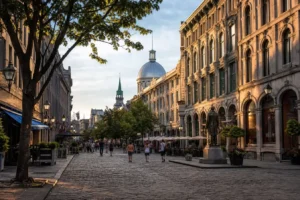 Bolshaya Pokrovskaya: Nizhny Novgorod’s Historic Pedestrian Street
Main image: AI-generated illustration. It may not show the place exactly as it looks.
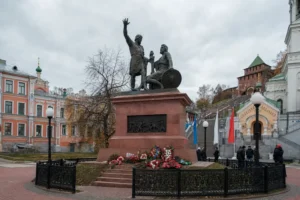 Unity Day Celebrations in Nizhny Novgorod: History and Observance
Main image: AI-generated illustration. It may not show the place exactly as it looks.
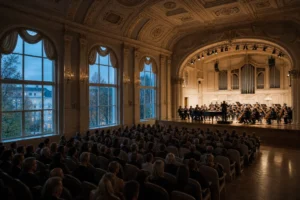 Andrey Sakharov Festival: Classical Music and Human Rights in Nizhny Novgorod
Main image: AI-generated illustration. It may not show the place exactly as it looks.
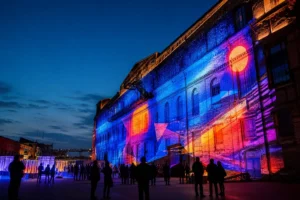 Intervals Media Art Festival, Nizhny Novgorod: Russia’s Largest Multimedia Art Event
Main image: AI-generated illustration. It may not show the place exactly as it looks.
 Gorky Fest: Russian Cinema Festival in Nizhny Novgorod
Main image: AI-generated illustration. It may not show the place exactly as it looks.
Browse more: More in Nizhny Novgorod · All Neighborhoods · All Neighborhoods · All Neighborhoods in Nizhny Novgorod · All Nizhny Novgorod
FAQ: Kanavino, Nizhny Novgorod
Is Kanavinsky district the same as the Kremlin area?
No. Kanavinsky is across the Oka River on the opposite bank from the historic Kremlin and old city center. The Kremlin is the main sightseeing hub; Kanavinsky is more of a working, transport-oriented district. Many visitors pass through Kanavinsky en route but spend time in the Kremlin area instead.
How much time should I spend in Kanavinsky?
Most visitors spend 2–3 hours: quick walk through the Fair grounds, photo of the cathedral, and a stroll to the Kanavinsky Bridge. Those interested in embankment walking or photographs may extend this to half a day. Few stay longer unless researching industrial history or waiting for train connections.
What is free to see in Kanavinsky?
The Fair grounds, streets, bridges, and exterior views of the Cathedral are free. The Fedorovsky Embankment (opposite bank) is free. The railway station concourse is free to walk through. Most shops and cafés inside the Fair are free to browse. Paid entries are limited to optional exhibitions or specific attractions inside buildings.
Can I visit Alexander Nevsky Cathedral?
Yes. The Cathedral is an active Orthodox church, free to enter during posted hours. Respectful dress (covered shoulders, knees) is expected. Photography inside is generally permitted but should be done quietly and without flash. Visiting during worship times requires respectful silence.
Is the railway station worth a photo stop?
Yes. The Moskovsky Railway Station is an impressive building with Beaux-Arts styling. Revolution Square provides good vantage points for photographs. Most travelers photograph it en route between the metro and street level, taking 5–10 minutes.
Should I cross to the Fedorovsky Embankment?
Absolutely. The embankment offers the best views of Kanavinsky, the Cathedral, and the Kremlin across the river. It is far quieter than the station side, well maintained, and ideal for a relaxing walk or extended photography session. Most tourists miss this; locals and photographers frequent it.
Is Kanavinsky safe?
Yes, Kanavinsky is a standard working district in a major Russian city. The railway station, Fair grounds, and embankment are safe for visitors. Use normal urban caution—avoid isolated streets late at night and keep valuables secure. During daylight and evening, the main areas are well-lit and frequented by locals.
What is the Nizhny Novgorod Fair?
The Nizhny Novgorod Fair opened on July 15, 1822, moved from Makaryevo, and became Russia's main trading and exchange center. Today it is a historic grounds hosting seasonal markets and exhibitions, blending heritage with modern shopping and entertainment venues.
Russia Vibes is a one-person project. A coffee keeps it going
How we research and update our guides
About this guide: AI assistance and accuracy
This guide is created with the help of AI and is based on official sources where available. Mistakes can still happen. Opening hours, prices, rules and other details are given to the best of our knowledge as of the date shown and can change without notice. It offers general recommendations only, not professional, legal or travel advice. Please confirm important details with the official source before you travel; you are responsible for your own plans and decisions.

Take this guide with you
Get a free PDF of this guide to print or read offline: key facts, tips and a map link on a few clean pages.
Report an issue on this page
Paying for your trip: please read
International sanctions affect payments between Russia and many other countries. In practice, cards issued in the EU, the UK, the US and several other countries often do not work in Russia, Russian cards usually do not work abroad, and some booking platforms, airlines and payment providers limit or suspend their services for Russia. The situation changes frequently.
We do not give legal or financial advice, and this site does not encourage anyone to break or circumvent sanctions. Whatever you plan, you are responsible for following the laws and regulations that apply to you, including those of your country of residence and citizenship.
Many travelers still organise their stay lawfully. It is worth asking your bank or payment provider what is currently permitted, contacting hotels, tour operators and carriers directly about the payment methods they accept, and checking which services are open to customers from your country. Clarify payment, cancellation and refund terms before you commit to a booking, and keep your plans flexible.
Partner links on this site may not be available in every country, and prices, availability and rules in our guides can differ from what you see when you book.