
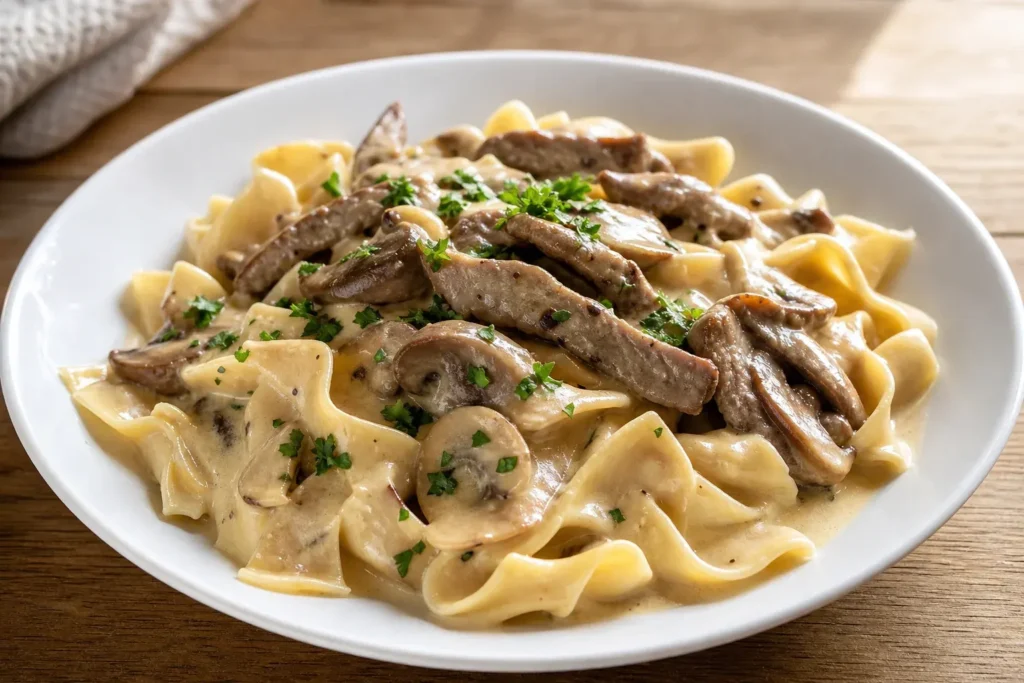
Beef stroganoff is one of Russia’s most recognizable dishes, and you can cook it at home to understand why it captivated aristocratic Saint Petersburg and travelled the world. This how-to will guide you through the essential steps to make an authentic stroganoff that balances tender beef, earthy mushrooms, and a sauce that tastes both creamy and tangy.
The recommended approach uses stovetop sautéing in stages: sear the beef, build the sauce base with mushrooms and onions, then finish with sour cream to create depth of flavour in under an hour.
Quick answer: Sear thinly sliced beef, sauté mushrooms and onions in butter, build a sauce with broth and mustard, finish with sour cream. Total time: approximately 40–50 minutes. Cost is moderate.
At a Glance
| Type | Dishes |
|---|---|
| Local name | Бефстроганов |
| Origin | Beef stroganoff originated in Russia in the 19th century. The dish was named after Count Pavel Aleksandrovich Stroganoff, a Russian military commander and statesman. The legend holds that Count Stroganoff's personal chef, a Frenchman, created the recipe by combining French mustard seasoning for beef with Russian sour cream, naming the dish in honour of his benefactor. The Stroganoff family occupied the Stroganoff Palace, a grand estate in Saint Petersburg. |
| Servings | 2–4 servings |
| Total time | 40–50 minutes |
| Difficulty | Easy |
History and Story of Beef Stroganoff, Saint Petersburg
Beef stroganoff is a traditional Russian dish that originated in the 19th century with pieces of sautéed beef, butter, and Russian sour cream. The original recipe married French cuisine, with mustard seasoning, and Russian tastes through the use of sour cream, and was first published in a popular Russian cookbook in 1871. With the communist revolution of 1917 and the civil war that followed, many aristocratic Russian families fled the country, taking the recipe for beef stroganoff with them.
Ingredients
- 600–800 g beef sirloin or top sirloin
- 300 g mushrooms (button or cremini)
- 1 medium onion
- 200 ml sour cream
- 400 ml beef broth
- 2 tablespoons butter
- 2 tablespoons vegetable oil
- 1 tablespoon Dijon mustard
- 1 tablespoon all-purpose flour
- 2 cloves garlic
- Salt and pepper to taste
How Beef Stroganoff, Saint Petersburg Is Made
Step 1: Prepare and sear the beef
Cut beef sirloin across the grain into thin strips about 5 cm long and 5 mm thick. Season with salt and pepper. Heat oil in a large skillet over medium-high heat until it shimmers. Working in batches to avoid crowding, sear the beef for 1–2 minutes per side until golden brown but still undercooked in the centre. Transfer to a plate and set aside.
Tip: Do not stir the beef immediately after adding it to the hot pan; let it develop a brown crust first, which adds flavour.
Step 2: Cook the mushrooms and onions
Add butter to the same skillet. Thinly slice the onion and quarter the mushrooms. Add onion and mushrooms, stirring occasionally, until the onion softens and the mushrooms release their liquid and begin to brown, about 6–8 minutes. Mince the garlic and stir it in, cooking until fragrant, about 1 minute.
Tip: Do not skip browning the mushrooms; this concentrates their earthy flavour.
Step 3: Make a flour paste
Sprinkle the flour over the mushroom mixture and stir constantly for 1 minute. This will coat the vegetables and help thicken the sauce.
Tip: Cook the flour briefly to remove the raw taste.
Step 4: Build the sauce base
Pour in the beef broth slowly, stirring to dissolve any bits stuck to the bottom of the pan. Add the mustard and stir to combine. Bring the mixture to a gentle simmer and let it bubble softly for 3–5 minutes to thicken slightly.
Tip: If the sauce seems too thin, simmer it a minute or two longer; it will continue to thicken slightly as it cools.
Step 5: Add sour cream
In a small bowl, stir a few tablespoons of the hot sauce into the sour cream to temper it, then slowly stir this mixture back into the skillet. Stir constantly to combine and prevent the sour cream from curdling. Heat gently until steaming but not boiling.
Tip: Never let the sauce boil after adding sour cream, as high heat can cause it to separate.
Step 6: Combine and finish
Return the beef to the skillet along with any juices that have accumulated on the plate. Stir gently to combine and heat through for 1–2 minutes. Taste and adjust seasoning with salt and pepper.
Tip: The beef will continue cooking gently in the warm sauce, so do not overheat.
Variants
- With egg noodles: the most common presentation in Western versions
- With mashed potatoes or fried potatoes: traditional Russian accompaniment
- With buckwheat groats (kasha): another classic Russian pairing
- With brandy or cognac: some recipes add alcohol during the sauce-building stage for depth
- Chicken stroganoff: uses chicken breast instead of beef
- Mushroom stroganoff: a vegetarian version with extra mushrooms as the main ingredient
Common Mistakes to Avoid
- Overcrowding the pan when searing the beef: this steams the meat instead of browning it. Sear in batches if needed.
- Skipping the mushroom browning stage: this results in a pale, watery sauce without depth. Take the time to caramelize them.
- Boiling the sauce after adding sour cream: high heat breaks down the sour cream and makes it curdle. Keep the heat gentle.
- Cutting the beef too thick or with the grain: this results in tough, chewy pieces. Slice thin and always cut against the grain.
- Adding sour cream directly to hot liquid: temper it first by mixing a few tablespoons of the hot sauce into the sour cream before stirring it back in.
How to Order and Eat It
Beef stroganoff is typically served in a wide, shallow bowl or plate. Spoon the meat and sauce over a bed of egg noodles, mashed potatoes, or buckwheat, ensuring each serving has both tender beef and creamy sauce. A sprinkle of fresh parsley adds colour and a mild herbaceous note. In Russia, it pairs well with a simple green salad or pickled vegetables on the side. Eat with a fork and spoon, as the sauce is liquid and the noodles or grain will catch it.
To order: Бефстроганов [Befstroganov]
Diet and Allergens
- Typically contains gluten (from flour)
- Contains dairy (butter, sour cream)
Where to Try Beef Stroganoff, Saint Petersburg
Kazan
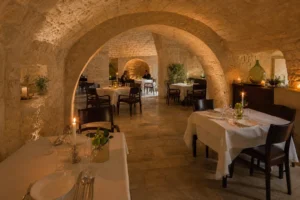 Priyut Kholostyaka, Kazan European, Russian, International, Seafood, Sushi
Main image: AI-generated illustration. It may not show the place exactly as it looks.
Saint Petersburg
 Gogol, Saint Petersburg Traditional Russian cuisine, nineteenth-century-inspired Russian cooking, Russian home-style dishes and selected European-influenced classics
Main image: AI-generated illustration. It may not show the place exactly as it looks.
Volgograd
 Voronka, Volgograd European, Wine Bar
Main image: AI-generated illustration. It may not show the place exactly as it looks.
Yekaterinburg
 Troekurov, Yekaterinburg Russian, European
Main image: AI-generated illustration. It may not show the place exactly as it looks.
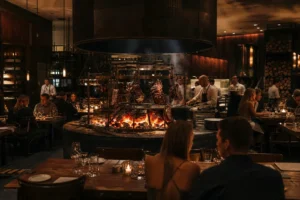 Beefstroganoff Grill, Yekaterinburg Russian, Grill, Steakhouse, Seafood
Main image: AI-generated illustration. It may not show the place exactly as it looks.
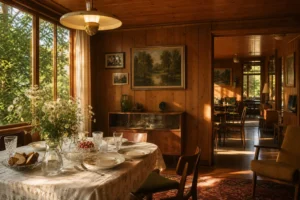 Pashtet, Yekaterinburg Russian and Ural, with European influences
Main image: AI-generated illustration. It may not show the place exactly as it looks.
Russia Vibes Tips
- Use the best-quality beef you can afford: stroganoff showcases the meat because it is sliced thin and cooked briefly. Tougher cuts will taste tough no matter how carefully you follow the recipe.
- Slice the beef when it is cool to room temperature, not directly from the fridge or the freezer; cold beef is easier to slice thin and uniform.
- If you add brandy or cognac, do so after the mushrooms are golden but before the broth. Pour it in carefully, as it may ignite; let it bubble for a minute to burn off the alcohol.
- The sauce will thicken more as it cools, so aim for a sauce that looks slightly loose when hot. It will set to the right consistency as it sits.
- Make stroganoff a few hours ahead and reheat gently on the stovetop over low heat, stirring often. Do not microwave, as uneven heat will curdle the sour cream.
- Stroganoff tastes even better the next day, as the flavours meld and deepen. Store covered in the fridge for up to 3 days.
Explore Nearby Beef Stroganoff, Saint Petersburg
Browse more: All Food & Drink · All Food & Drink in Saint Petersburg · All Other · All Saint Petersburg
FAQ
Is beef stroganoff a Russian or Hungarian dish?
Although many think beef stroganoff is a Hungarian dish, it actually originated in Russia. The confusion may stem from the use of sour cream and paprika in some modern versions, but the original recipe is definitively Russian and connected to the aristocratic Stroganov family of Saint Petersburg.
Why do some recipes add paprika and others do not?
The original beef stroganoff originated in Russia with no paprika; it was originally flavoured with mustard. Modern variations, especially those influenced by Hungarian cuisine or contemporary tastes, sometimes add paprika. The classic Saint Petersburg version relies on mustard and sour cream.
What's the difference between stroganoff made with sour cream and stroganoff made with heavy cream?
Authentic stroganoff uses sour cream for tanginess and a distinctive sharp flavour. Some modern recipes blend sour cream with heavy cream to create a richer, less tangy sauce. Heavy cream alone will taste too mild and lose the characteristic Russian edge of the dish. The tart notes of sour cream are essential to the flavour balance.
Can you make stroganoff ahead and freeze it?
Freezing stroganoff is possible but not ideal. The sour cream can separate when thawed and reheated. If you must freeze it, leave out the sour cream, freeze the beef and mushroom sauce, then thaw and reheat gently before stirring in fresh sour cream at the end. Fresh stroganoff is always preferable.
What do I serve with stroganoff?
Stroganoff is traditionally served over egg noodles, mashed potatoes, fried potatoes, or buckwheat groats. Egg noodles are most common in Western versions. In Russia, it is often paired with simple fried or mashed potatoes. A side salad or pickled vegetables balance the richness of the sauce.
Can I use a slow cooker or instant pot?
You can adapt stroganoff to these appliances, but searing the beef and browning the mushrooms on the stovetop first will give much better flavour. Use the slow cooker only for the braising stage if you wish, then finish with sour cream on the stovetop to avoid curdling. These dishes are easiest and best made entirely on the stovetop.
Why does my stroganoff sauce taste thin or watery?
This usually means the mushrooms were not properly browned, which concentrates their flavour and liquid. Cook them longer until they release their moisture and the liquid evaporates. Also check that you cooked the flour long enough to thicken the sauce, and that the broth has simmered for a few minutes to reduce and intensify flavour.
Is stroganoff difficult to make?
Beef stroganoff is straightforward and suitable for home cooks of any level. The main skills required are searing meat, sautéing vegetables, and whisking a simple sauce. The most common mistake is rushing the mushroom browning step. Take your time at each stage and it will turn out well.
Russia Vibes is a one-person project. A coffee keeps it going
How we research and update our guides
About this guide: AI assistance and accuracy
This guide is created with the help of AI and is based on official sources where available. Mistakes can still happen. Opening hours, prices, rules and other details are given to the best of our knowledge as of the date shown and can change without notice. It offers general recommendations only, not professional, legal or travel advice. Please confirm important details with the official source before you travel; you are responsible for your own plans and decisions.

Take this guide with you
Get a free PDF of this guide to print or read offline: key facts, tips and a map link on a few clean pages.
Report an issue on this page
Paying for your trip: please read
International sanctions affect payments between Russia and many other countries. In practice, cards issued in the EU, the UK, the US and several other countries often do not work in Russia, Russian cards usually do not work abroad, and some booking platforms, airlines and payment providers limit or suspend their services for Russia. The situation changes frequently.
We do not give legal or financial advice, and this site does not encourage anyone to break or circumvent sanctions. Whatever you plan, you are responsible for following the laws and regulations that apply to you, including those of your country of residence and citizenship.
Many travelers still organise their stay lawfully. It is worth asking your bank or payment provider what is currently permitted, contacting hotels, tour operators and carriers directly about the payment methods they accept, and checking which services are open to customers from your country. Clarify payment, cancellation and refund terms before you commit to a booking, and keep your plans flexible.
Partner links on this site may not be available in every country, and prices, availability and rules in our guides can differ from what you see when you book.