
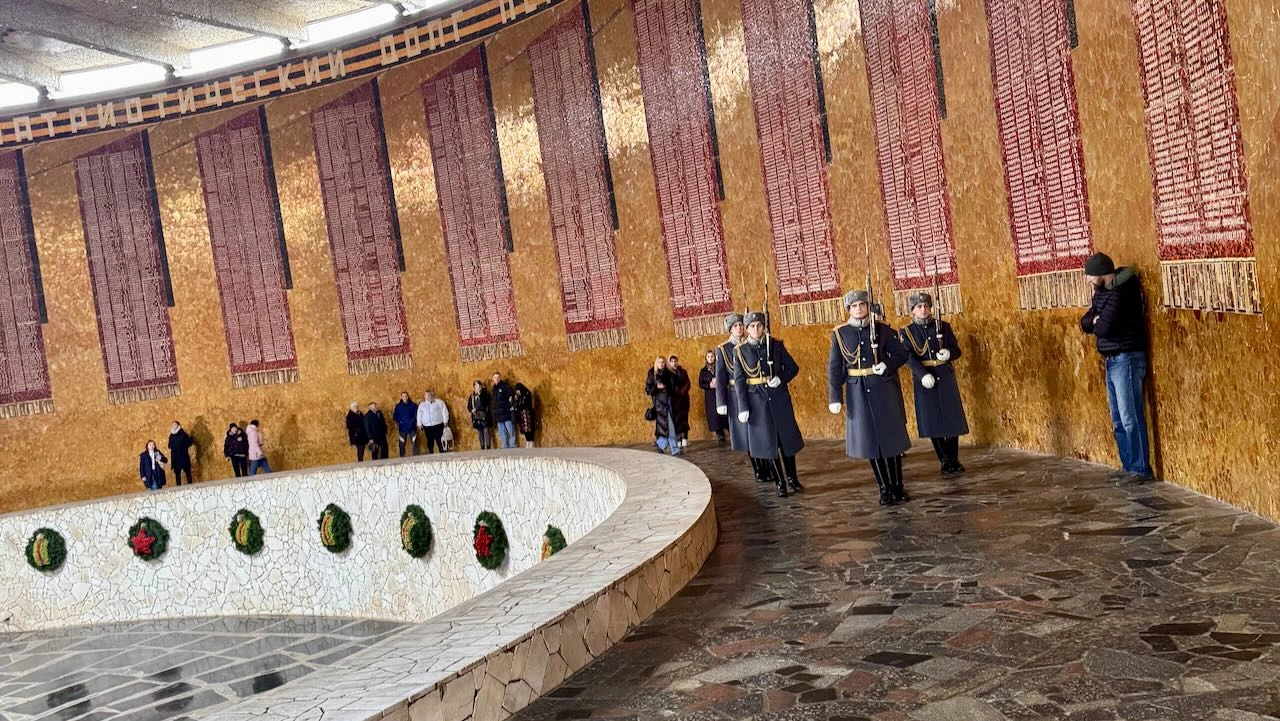
Stalingrad Battle Memorial Hall
The Stalingrad Battle Memorial Hall (also known as the Battle of Stalingrad Memorial Hall) is one of Volgograd’s most significant cultural and historical landmarks. Located within the Volgograd State Historical Museum, the memorial hall is dedicated to one of the most pivotal battles of World War II—the Battle of Stalingrad—which took place from August 1942 to February 1943. The Battle of Stalingrad marked a crucial turning point in the war, and its significance resonates deeply with the people of Volgograd, once known as Stalingrad during the Soviet era.
This article will explore the history, significance, and features of the Stalingrad Battle Memorial Hall, as well as provide practical information for visitors interested in learning more about the battle and the sacrifices made by those who fought in it.
History and Establishment of the Stalingrad Battle Memorial Hall
The Stalingrad Battle Memorial Hall was established in 1983 as part of the broader effort to commemorate the heroes of the Battle of Stalingrad and to preserve the history of this decisive conflict. The hall was created within the Volgograd State Historical Museum, located in the heart of the city, which itself has long served as a cultural center for the study and remembrance of Volgograd’s pivotal role in World War II.
The Battle of Stalingrad was one of the bloodiest and most brutal battles in history, with hundreds of thousands of soldiers and civilians fighting for control of the city. After months of intense combat, the Soviet Red Army emerged victorious, marking the beginning of the Nazi regime’s retreat and the eventual downfall of Hitler’s Germany. The memorial hall was created to honor the soldiers, officers, and civilians who fought and sacrificed during this battle, as well as to educate future generations about the importance of victory and resilience in the face of overwhelming odds.
Key Features and Exhibits of the Stalingrad Battle Memorial Hall
The Stalingrad Battle Memorial Hall features an extensive array of artifacts, documents, photographs, and interactive exhibits, providing visitors with an in-depth look at the events of the Battle of Stalingrad, the soldiers’ personal stories, and the immense sacrifices made during the conflict. The hall is designed to evoke the emotional and historical significance of the battle while preserving its legacy for future generations.
Historical Context and Overview of the Battle of Stalingrad
Upon entering the Stalingrad Battle Memorial Hall, visitors are greeted with an overview of the battle, its historical context, and its strategic importance. Through a variety of historical documents, maps, and photographs, the exhibit paints a vivid picture of how the battle unfolded—from the initial Nazi invasion of the Soviet Union to the final Soviet victory.
The hall offers a chronological timeline of key events, detailing the build-up of the battle, the brutal urban warfare, and the eventual encirclement and defeat of the German 6th Army. The exhibits help visitors understand not only the military aspects of the battle but also the human cost and the personal stories behind the soldiers and civilians who were caught in the conflict.
Personal Accounts and Heroic Stories
One of the most powerful aspects of the Stalingrad Battle Memorial Hall is the focus on the personal stories of the individuals who fought and died during the battle. Through first-hand accounts, letters, and personal artifacts, the memorial hall provides visitors with an intimate glimpse into the lives of those involved in the battle.
Exhibits focus on the heroes of the Battle of Stalingrad, including the soldiers, officers, and civilians who displayed extraordinary courage and sacrifice. One of the most celebrated figures is Vasily Chuikov, the commander of the Soviet 62nd Army, whose leadership played a critical role in the Soviet defense of the city.
The hall also honors the contributions of snipers, female soldiers, and civilians who fought as part of the Soviet defense effort, and it highlights the tremendous resilience shown by those who endured the extreme hardships of war, starvation, and the near-total destruction of the city.
Relics of the Battle: Weapons, Uniforms, and Equipment
The Stalingrad Battle Memorial Hall features a collection of weapons, uniforms, military equipment, and personal artifacts recovered from the battlefield. Visitors can view items used by both the Soviet Red Army and the German Wehrmacht, providing a tangible connection to the past.
Some of the key items on display include:
- Rifles and Ammunition: Weapons used by both Soviet and German soldiers during the battle.
- Military Uniforms: Different types of clothing worn by soldiers on both sides of the conflict.
- Photographs: Rare images of soldiers, civilians, and the city before, during, and after the battle.
- Letters and Diaries: Personal documents from soldiers and civilians offering insight into their experiences.
These exhibits help visitors understand the conditions under which soldiers fought, as well as the incredible hardships they endured.
Reconstruction of the Battle: Dioramas and Models
The memorial hall also features dioramas and scale models that reconstruct key moments of the battle, such as the famous house-to-house fighting in the city and the final Soviet encirclement of the German 6th Army. These three-dimensional displays bring the battle to life, helping visitors visualize the chaotic and brutal nature of urban warfare.
Some dioramas depict iconic moments of the battle, such as the defense of the Grain Elevator, Pavlov’s House, and the Soviet counteroffensive that eventually led to the destruction of the German forces. These models provide a dramatic and educational representation of the battle, offering visitors an opportunity to better understand its scale and complexity.
The Role of Civilian Resistance and the Siege of Stalingrad
The Stalingrad Battle Memorial Hall also places significant emphasis on the role of civilians during the battle. The people of Stalingrad faced not only the destruction of their city but also the siege by German forces, which led to extreme food shortages and widespread devastation. Many civilians played an integral role in the Soviet defense effort, from working in munitions factories to engaging in underground resistance efforts.
The exhibits honor the bravery of the civilians, many of whom stayed behind to support the military effort. The hall highlights the contributions of both men and women, as well as the hardships faced by children and families living in the besieged city.
Significance of the Stalingrad Battle Memorial Hall
The Stalingrad Battle Memorial Hall serves several key purposes. First, it acts as a reminder of the brutal realities of war and the immense sacrifices made by those involved. Through its detailed exhibits, the hall preserves the memory of the Battle of Stalingrad as a key turning point in the war and in Soviet history.
Second, the hall is an important space for education, allowing visitors from around the world to gain insight into the strategic, military, and human aspects of one of the largest battles of the 20th century. It stands as a tribute to the bravery and resilience of the people of Stalingrad and the Soviet Union as a whole.
Finally, the memorial hall emphasizes the collective nature of the Soviet victory, honoring the contributions of soldiers, civilians, and the leadership of figures like General Chuikov and Soviet leader Joseph Stalin. It is a testament to the unity of the Soviet people and their determination to defeat fascism.
Visiting the Stalingrad Battle Memorial Hall: Practical Information
For those interested in visiting the Stalingrad Battle Memorial Hall, here is some practical information:
How to Get There
The Stalingrad Battle Memorial Hall is located within the Volgograd State Historical Museum, in the heart of Volgograd. The museum is easily accessible by taxi, bus, or tram from other parts of the city. It is close to several other key attractions, such as Mamayev Kurgan, making it a convenient stop for visitors interested in Volgograd’s WWII history.
Opening Hours
The memorial hall is typically open Tuesday to Sunday, with regular hours in the afternoon and early evening. It is best to check the museum’s website or contact the staff for the most up-to-date information on opening hours and ticket prices.
Tickets and Admission
Tickets for the Stalingrad Battle Memorial Hall can be purchased at the Volgograd State Historical Museum. There are discounts available for students, children, and senior citizens. Group rates are also available for educational or tour groups.
What to Expect During Your Visit
During your visit to the Stalingrad Battle Memorial Hall, you can expect to encounter a deeply moving and educational experience. The museum is designed to offer both historical context and personal stories, making it accessible to visitors of all ages and backgrounds. You will also have the opportunity to view a wide range of artifacts, photographs, and memorials, all of which help bring the Battle of Stalingrad to life.
Nearby Attractions
While visiting the Stalingrad Battle Memorial Hall, consider exploring other nearby attractions such as:
- Mamayev Kurgan: The monumental memorial complex dedicated to the Battle of Stalingrad, home to the iconic Motherland Calls statue.
- Volgograd State Historical Museum: A museum that provides deeper insights into Volgograd’s history, including its role in the Battle of Stalingrad.
- Volgograd River Port: A historical area along the Volga River, providing a scenic place for relaxation after your visit.
Conclusion
The Stalingrad Battle Memorial Hall stands as a testament to the heroism, sacrifice, and resilience of those who fought and died during the Battle of Stalingrad. Through its comprehensive exhibits, personal stories, and historical artifacts, the hall preserves the memory of this pivotal moment in history, offering visitors a chance to reflect on the bravery of those who contributed to the Soviet victory. Whether you’re a history enthusiast or simply seeking to understand the human cost of war, the Stalingrad Battle Memorial Hall offers an unforgettable and deeply moving experience.