
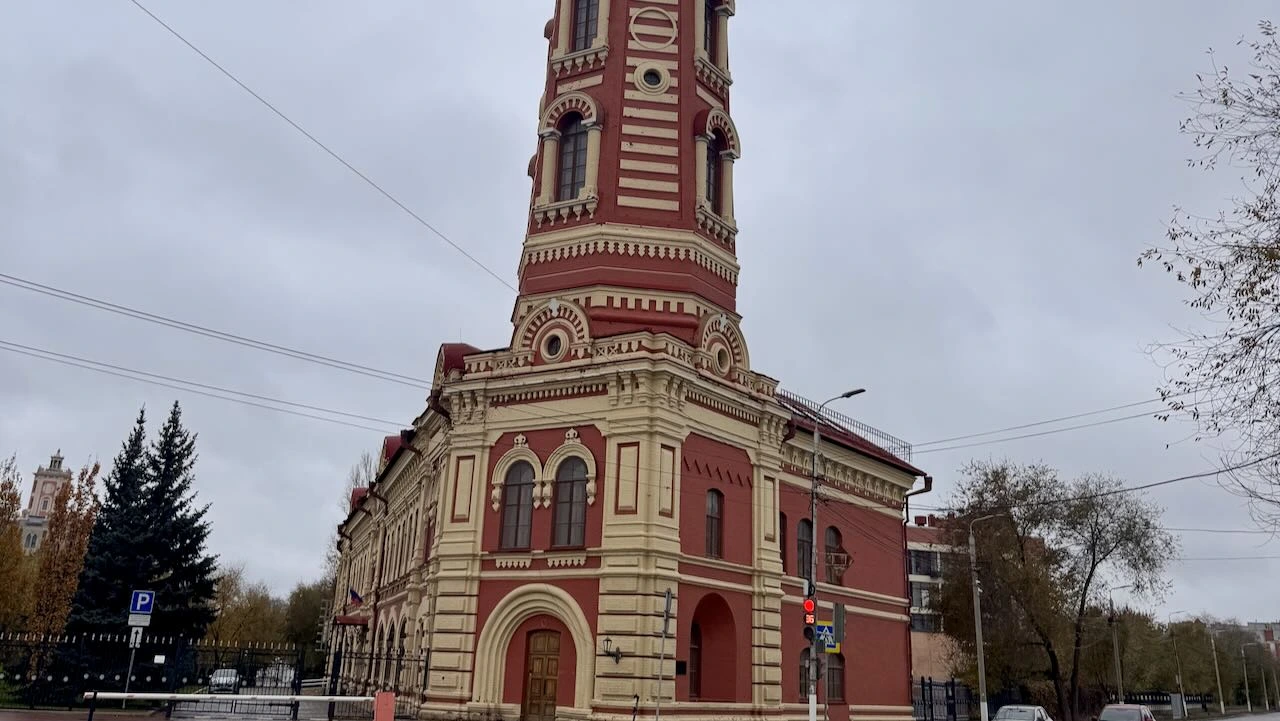
Central Fire Station
The Central Fire Station in Volgograd (formerly Stalingrad) stands as one of the most recognizable and historically significant buildings in the city. While it may not be as famous as the monuments dedicated to the Battle of Stalingrad, the Central Fire Station plays an essential role in the urban landscape of Volgograd. Its architectural beauty, coupled with its practical function, makes it an important part of the city’s history and a symbol of resilience, duty, and protection.
In this article, we will explore the history, architectural features, and significance of the Central Fire Station in Volgograd, along with practical information for those interested in visiting or learning more about this iconic landmark.
History of the Central Fire Station
The Central Fire Station in Volgograd has a long and storied history that dates back to the late 19th century. It was originally built as part of the city’s expansion and modernization efforts during the Imperial Russian era. At the time of its construction, the city of Stalingrad (as it was known before the Soviet period) was growing rapidly, with new industries, residential areas, and infrastructure projects being developed to support the expanding population.
The fire station was established to provide essential fire protection services to the city, ensuring that Stalingrad was prepared to combat the frequent fires that plagued Russian cities during this period. The building served as a central hub for firefighting operations in the city, with fire engines, equipment, and trained personnel stationed there to respond to emergencies.
Over the years, the fire station became an integral part of the city’s public services, providing protection to its residents and helping to safeguard the city’s infrastructure and assets. The building also came to symbolize the dedication and commitment of the city’s firefighters, who risked their lives to keep Stalingrad safe during a time of rapid urbanization.
During World War II, when Volgograd (formerly Stalingrad) was the site of the legendary Battle of Stalingrad, the Central Fire Station played a critical role in responding to the devastating fires that resulted from the constant bombardments and battles fought in the city. The fire station, like many other parts of the city, was severely damaged during the conflict, but it was rebuilt after the war and continues to serve the city as a fire station and a historical landmark.
Architectural Features of the Central Fire Station
The Central Fire Station in Volgograd is known for its distinctive architectural style, which blends elements of classic Russian design with more modern influences. The building’s design is a perfect example of the architectural transformation that Volgograd underwent during the late 19th and early 20th centuries. The station’s original design was influenced by European trends of the time but adapted to local tastes and materials.
Facade and Exterior Design
The exterior of the Central Fire Station features a grand, neoclassical facade, with large windows, decorative columns, and ornamental detailing. The building is primarily constructed from brick and stone, materials that were chosen for their durability and resistance to fire. The central part of the station is adorned with a large, imposing entrance arch that leads into the building’s main hall.
The fire station’s design was not only functional but also intended to symbolize the importance of the fire department to the city. The bold, striking facade serves as a reminder of the vital services provided by the station, and the architectural details highlight the pride the city took in its public institutions.
Towers and Fireman’s Watch
One of the most distinctive features of the Central Fire Station is its towers, which are a common feature of fire stations from this era. The towers were built to allow firefighters to easily spot fires in different parts of the city and to quickly respond to emergencies. The central tower, which is often the most visible part of the building, stands tall above the other structures and serves as a focal point of the design.
The fireman’s watchtower is not only a practical element of the design but also an architectural feature that adds grandeur and elegance to the overall building. From the top of the tower, firefighters could spot smoke from distant fires and alert their team to the scene, helping to ensure a rapid and efficient response.
Interior and Layout
Inside the Central Fire Station, the layout is designed to support the fast and effective deployment of firefighting units. The building includes large halls for fire engines, storage areas for equipment, and spaces for firefighters to rest and prepare for their shifts. Though much of the interior has been updated over the years to accommodate modern firefighting equipment, the station still retains some of its original design elements, particularly in the administrative areas.
The fire station’s interior is focused on practicality and functionality, allowing it to serve as an efficient hub for emergency response. Over the years, the building has undergone renovations and modernizations to adapt to new firefighting technology and procedures. Despite these changes, the Central Fire Station maintains its historic charm, blending its traditional design with contemporary needs.
The Significance of the Central Fire Station
The Central Fire Station holds cultural and historical significance for Volgograd in many ways. It has not only been a practical and essential part of the city’s firefighting services but also a symbol of the city’s resilience, particularly during the turbulent years of the Battle of Stalingrad.
Symbol of Resilience During the Battle of Stalingrad
The Battle of Stalingrad, one of the most brutal and decisive battles of World War II, left much of the city in ruins. As the city endured repeated bombings and brutal street fighting, the Central Fire Station, like many other structures in Volgograd, suffered significant damage. However, the building’s dedication to serving the community never wavered.
After the war, the fire station was rebuilt and returned to service, becoming a symbol of the city’s determination to rebuild and recover from the devastation. Its survival through the war and its role in the post-war reconstruction of Volgograd have made it an enduring symbol of hope and strength.
A Hub of Community Service and Public Safety
The Central Fire Station continues to serve Volgograd as a vital part of the city’s emergency services. It plays a crucial role in protecting the city’s residents and ensuring public safety. The fire station’s ongoing operation underscores its importance to the city, both as a piece of living history and as an active institution dedicated to protecting the lives of Volgograd’s citizens.
The fire station’s role extends beyond emergency response. It also serves as a hub for fire safety education and awareness, helping to ensure that the community is prepared to handle potential emergencies. The fire station works closely with local authorities and organizations to promote fire prevention and educate the public about the importance of fire safety in both residential and commercial settings.
Visiting the Central Fire Station: Practical Information
For those interested in visiting the Central Fire Station in Volgograd, here is some useful information to help make the most of your experience:
How to Get There
The Central Fire Station is centrally located in Volgograd, making it easy to reach from other parts of the city. Visitors can take a taxi, bus, or tram to get to the fire station. The building is near several key landmarks, including Lenin Square and the Volgograd State Historical and Memorial Museum, so it can be easily incorporated into a day of sightseeing.
For those arriving by train, Volgograd Railway Station is nearby, and taxis or public transport can take visitors to the fire station. The Volgograd International Airport is approximately 17 kilometers away, and taxis or buses are available for easy transport to the city center.
What to Expect During Your Visit
The Central Fire Station is still an active operational station, so visitors may not be able to tour the entire facility. However, the exterior of the building and its historical significance can be appreciated from the outside. The architecture, including the impressive towers and grand entrance, makes for a memorable photo opportunity.
Visitors can also learn more about the history of the station and its role in the city’s development at nearby museums or local visitor centers. Though the station is not specifically a tourist attraction, its historical importance makes it an interesting site for those exploring Volgograd’s diverse history.
Nearby Attractions
If you are visiting the Central Fire Station, there are several other important attractions nearby that are worth exploring:
- Mamayev Kurgan: The famous memorial complex dedicated to the Battle of Stalingrad, including the Motherland Calls statue.
- Lenin Square: A central public space, home to the Monument to Lenin and other significant buildings.
- Volgograd State Historical and Memorial Museum: A museum that offers extensive exhibits on the history of Volgograd and the Battle of Stalingrad.
Conclusion
The Central Fire Station in Volgograd is more than just a working facility—it is a historical landmark that embodies the city’s resilience and commitment to public safety. From its role in the early days of Stalingrad to its continued service today, the fire station is a symbol of the city’s determination and courage in the face of adversity.
While not typically a tourist hotspot, the Central Fire Station is a meaningful site for those interested in exploring Volgograd’s architectural history and understanding the city’s growth through the years. For anyone visiting Volgograd, the station provides a unique opportunity to connect with the city’s past and reflect on the strength of its people.