
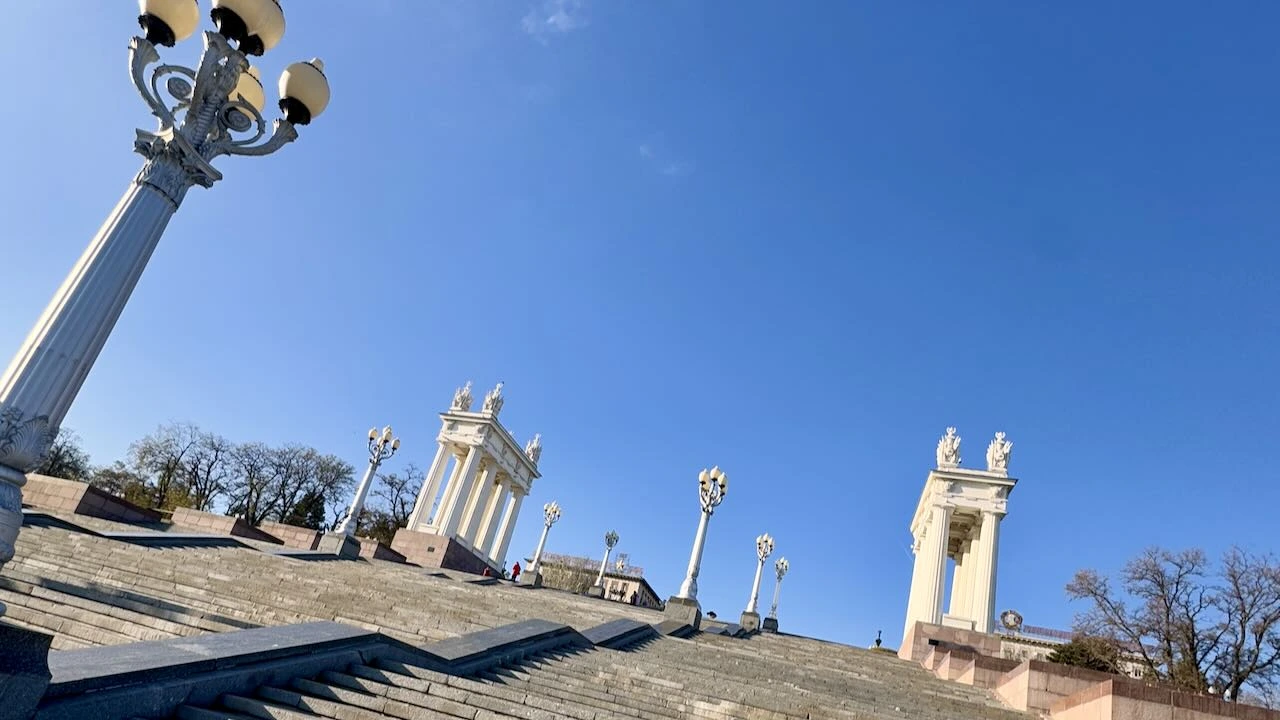
Volga Hydroelectric Station
The Volga Hydroelectric Station, also known as the Volgograd Hydroelectric Power Station, is one of the largest and most significant hydroelectric power plants in Russia. Situated on the Volga River in the city of Volgograd, it has been a key player in the region’s development, providing electricity to millions of people while also serving as a symbol of Soviet engineering and innovation. The plant’s construction was an ambitious project that marked a major milestone in Russia’s efforts to harness the power of its rivers for industrial development and energy production.
In this article, we will explore the history, operation, significance, and future of the Volga Hydroelectric Station, shedding light on how it has shaped Volgograd’s economy and infrastructure over the years.
History and Establishment of the Volga Hydroelectric Station
The construction of the Volga Hydroelectric Station began in 1956 as part of the Soviet Union’s ambitious plans to harness the Volga River for both energy production and irrigation. The plant was built to address the growing energy demands of the Soviet industrial sector, as well as to help control flooding along the Volga River and improve irrigation for agriculture.
The station was officially commissioned in 1961, and at the time, it was one of the most advanced hydroelectric plants in the Soviet Union. The project was not only an engineering feat but also a symbol of Soviet technological prowess and the nation’s desire to achieve self-sufficiency in energy production.
The plant is located about 50 kilometers north of Volgograd, near the city of Karpinsk. The construction of the hydroelectric station required the building of a massive dam, along with the installation of a series of turbines, generators, and other infrastructure necessary to produce electricity. The project was completed in phases, and over the years, the plant has undergone significant expansions and modernizations to keep up with technological advances and growing energy demands.
Design and Operation of the Volga Hydroelectric Station
The Volga Hydroelectric Station is a run-of-river hydroelectric plant, meaning that it generates electricity by using the natural flow of the Volga River rather than a large reservoir. However, it does create a significant artificial lake behind the dam, which helps regulate water levels and stabilize the power output.
The Dam and Powerhouse
At the heart of the station is the Volga Dam, a massive structure that controls the flow of water and directs it to the powerhouse. The dam has several spillways that release water to maintain the flow of the river while also preventing flooding during periods of high water. The dam stands as one of the engineering marvels of the Soviet era, showcasing the country’s commitment to large-scale infrastructure projects.
The powerhouse houses the turbines and generators responsible for converting the kinetic energy of flowing water into electrical energy. The Volga Hydroelectric Station has a total installed capacity of around 2,400 megawatts, making it one of the largest hydroelectric plants in the region. The turbines generate electricity that is distributed to the surrounding areas, contributing significantly to the energy grid in Volgograd and beyond.
The plant operates by using the natural flow of the Volga River, with water flowing through the turbines and generating power as it moves. The hydroelectric station provides a clean and renewable source of energy, significantly reducing the need for fossil fuels and helping to curb emissions from traditional power plants.
Environmental Considerations and Control
One of the main objectives of the Volga Hydroelectric Station is to provide flood control for the Volga River. By regulating the water flow, the plant helps prevent flooding in the surrounding regions, which has historically been a problem during the spring and summer months when snowmelt and rainfall cause river levels to rise. The station also plays a role in irrigation, as it helps ensure a steady and controlled flow of water for agriculture in the surrounding areas.
While the hydroelectric station has many benefits, it has also raised environmental concerns, particularly regarding the impact on local ecosystems. The construction of the dam and the creation of the artificial lake have altered the natural flow of the river and affected the habitats of fish and other wildlife. Over the years, efforts have been made to mitigate these impacts, including fish passes and other measures to preserve the local biodiversity.
Significance of the Volga Hydroelectric Station
The Volga Hydroelectric Station holds significant importance for the city of Volgograd and the wider region. It is a major source of clean energy, providing electricity to millions of people while also contributing to the region’s industrial growth. Here are some of the key reasons why the plant is so vital:
Energy Production and Regional Development
The Volga Hydroelectric Station plays a central role in meeting the energy needs of Volgograd and the surrounding areas. By providing a reliable source of electricity, the plant supports local industries, residential areas, and public services. The energy produced by the station is also crucial for the development of Volgograd’s infrastructure, including transportation, water treatment, and public utilities.
The plant has been integral to the industrialization of the region, particularly in the decades following its construction. It has provided power to steel plants, chemical factories, and other major industries, helping Volgograd become an important industrial hub in southern Russia. The availability of affordable, reliable energy has helped support the region’s economic growth and job creation.
Renewable Energy and Sustainability
As a hydroelectric power plant, the Volga Hydroelectric Station contributes to the production of clean energy. Hydroelectric power is a renewable resource that produces electricity without emitting greenhouse gases or contributing to climate change. This makes the Volga Hydroelectric Station an essential part of Russia’s efforts to diversify its energy mix and reduce reliance on fossil fuels.
The station’s contribution to renewable energy is especially important as Russia looks to transition towards more sustainable energy sources in the coming decades. By harnessing the power of the Volga River, the plant plays a key role in Russia’s energy future, supporting the nation’s efforts to build a more sustainable and environmentally-friendly energy infrastructure.
Flood Control and Irrigation
Beyond its role in electricity generation, the Volga Hydroelectric Station is critical for flood control and irrigation in the Volgograd region. The dam helps to regulate the flow of the river, preventing flooding during periods of high water and ensuring that the river’s flow remains consistent for agricultural needs. This is particularly important for local farmers who rely on the controlled water supply to irrigate their crops.
Tourism and Cultural Heritage
The Volga Hydroelectric Station is also a point of interest for tourists visiting Volgograd. The site offers a chance to witness the engineering prowess of the dam and the surrounding facilities. Additionally, the artificial lake created by the dam has become a popular location for recreation and leisure activities, including boating, fishing, and picnicking.
The Volga Hydroelectric Station is not only a symbol of Soviet-era engineering but also an important part of the city’s cultural and industrial history. Its construction marked a turning point in Volgograd’s development and left a lasting legacy that continues to shape the city and region today.
Visiting the Volga Hydroelectric Station: Practical Information
For those interested in visiting the Volga Hydroelectric Station, here is some useful information:
How to Get There
The Volga Hydroelectric Station is located near the Volga River, just north of Volgograd, making it easily accessible by taxi or private transport. Visitors can reach the plant by heading to the northern parts of the city, where the dam and hydroelectric facility are located. The station is close to major highways and offers easy access to other attractions in the area.
What to Expect During Your Visit
Visitors to the Volga Hydroelectric Station can expect a fascinating experience, learning about the engineering marvels of the dam and the plant’s role in Volgograd’s energy infrastructure. While access to the actual working facilities may be restricted due to security and safety concerns, visitors can explore the surrounding area, admire the view of the dam and artificial lake, and learn more about the station’s impact on the region.
Nearby Attractions
While visiting the Volga Hydroelectric Station, consider exploring other nearby attractions such as:
- Mamayev Kurgan: The monumental memorial complex dedicated to the Battle of Stalingrad, home to the iconic Motherland Calls statue.
- Volgograd State Historical Museum: A museum that offers deeper insights into Volgograd’s history, including its role in World War II.
- Volgograd Central Embankment: A scenic area along the Volga River, perfect for a relaxing walk after your visit.
Conclusion
The Volga Hydroelectric Station stands as a testament to the power of engineering and innovation, providing clean and reliable energy to Volgograd and the surrounding regions for decades. Its role in flood control, irrigation, and energy production has been pivotal to the development of the city and the wider region. As Russia continues to focus on sustainability and renewable energy sources, the Volga Hydroelectric Station remains an important part of the nation’s energy future. Whether you’re interested in engineering, history, or nature, a visit to this remarkable site offers a unique perspective on Volgograd’s industrial heritage.